








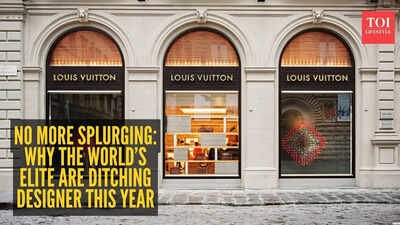
Everyone expected a glossy, grand comeback for luxury this spring. After two to three years of post-boom slowdown, the $400 billion global luxury industry was poised for a rebound. Instead, it’s staring at a reality check.French luxury giant LVMH has released its Q1 2026 earnings – and the numbers are far from reassuring. The group managed just a 1% organic rise in global sales, missing analyst expectations of 1.5%. The biggest reason? Escalating geopolitical tensions in the Middle East, particularly involving Iran and U.S.-Israeli forces. LVMH estimates that this conflict alone shaved off a full 1% from its growth.
Empty malls and the Middle East ripple effect
For a real-time snapshot of the impact, look no further than Dubai. Since the conflict intensified, luxury mall sales here have plunged by up to 50%.While the Gulf region contributes roughly 6% to LVMH’s total revenue, its importance goes beyond numbers. The region delivers exceptionally high margins. So when Gulf shoppers pull back, the financial hit is immediate – and disproportionate.
Where did the shoppers go?
The slowdown isn’t isolated. Europe saw a 3% decline in sales, driven not just by a strong euro but by a noticeable absence of wealthy tourists from the Gulf. These travellers – once a backbone of luxury retail in cities like Paris and Milan – have significantly cut back, leaving boutiques unusually quiet.
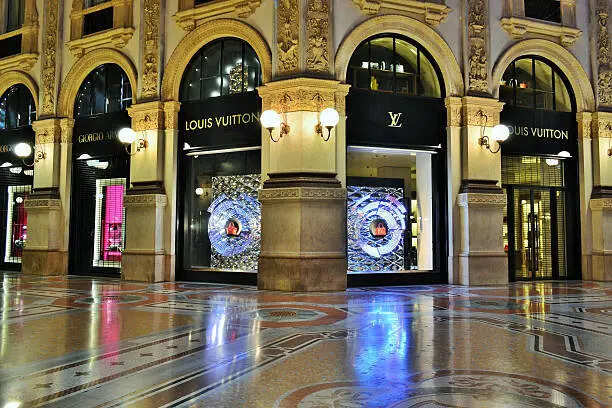
There is, however, a silver lining. The United States remains resilient, posting a 3% growth in luxury spending despite global uncertainty.
Bags down, timepieces up
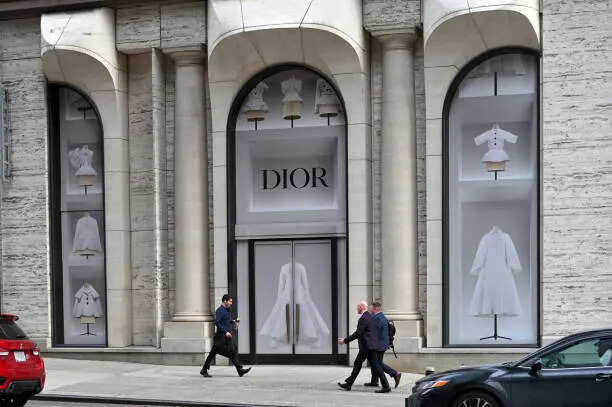
A closer look at LVMH’s divisions reveals a telling shift in consumer behaviour.The powerhouse Fashion & Leather Goods segment – responsible for nearly 80% of operating profits – continues to struggle. Sales dipped 2% organically and fell even further (9%) after currency adjustments. This marks the seventh consecutive quarter of decline, with brands like Louis Vuitton and Dior reflecting the broader slowdown.But here’s the twist: luxury demand hasn’t disappeared – it’s just evolved.
The Watches & Jewelry division surged with a 7% increase in organic revenue, signalling that consumers are still willing to invest—but more selectively. High-end watches and fine jewellery are proving to be more resilient than fashion.Other segments also held steady. Wines & Spirits grew 5%, buoyed by strong champagne demand in Europe and seasonal boosts in Cognac sales during Chinese New Year. Selective Retailing followed with a 4% rise.
The bottom line for investors
Markets reacted swiftly. U.S.-listed shares of LVMH dropped nearly 3%, while rival Kering fell about 4%. Overall, LVMH stock is down roughly 26% year-to-date, making it one of Europe’s worst-performing large-cap stocks in early 2026.Still, analysts aren’t sounding the alarm just yet. The consensus remains cautiously optimistic: 2026 could still end with modest growth.For now, though, one thing is clear – luxury may be built on aspiration, but it isn’t immune to geopolitical reality.