







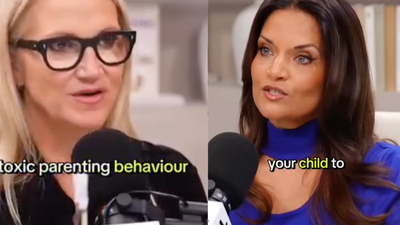
What is the most toxic parenting behaviour of all? The question, posed by Mel Robbins, drew a striking response from Dr. Shefali Tsabary, a clinical psychologist known for her work on conscious parenting and followed by over 1.3 million people online, in a podcast shared on Instagram. Her answer challenges a comforting belief: that harm in parenting is always obvious. Instead, she points to something subtler, the moment love begins to blur into control, and a child’s life quietly starts carrying the weight of a parent’s unmet expectations. Scroll down to read more…
When sacrifice becomes a disguise
The answer, in plain terms, is this: one of the most toxic parenting patterns is projecting unmet fantasies, expectations and desires onto a child, then refusing to own it. Instead, the parent frames control as selflessness and disappointment as martyrdom, all while insisting they are doing everything “for the children.”This kind of parenting is especially hard to challenge because it can look noble from the outside. Parents may say they gave up everything, worked endlessly, suffered silently and built their lives around their children. But when those sacrifices are used as emotional debt, the child is no longer being raised, they are being managed.That is where the harm deepens. The child is expected to become the parent’s unfinished success story, the emotional repair project, the proof that sacrifice was worth it. In that setup, love starts to feel conditional. Approval depends on performance. Individuality becomes inconvenient.
The weight children end up carrying
Children raised in this atmosphere often grow up feeling guilty for having their own preferences. They may learn to read the room before they read themselves. They become experts at pleasing, achieving and avoiding conflict but strangers to their own wants.
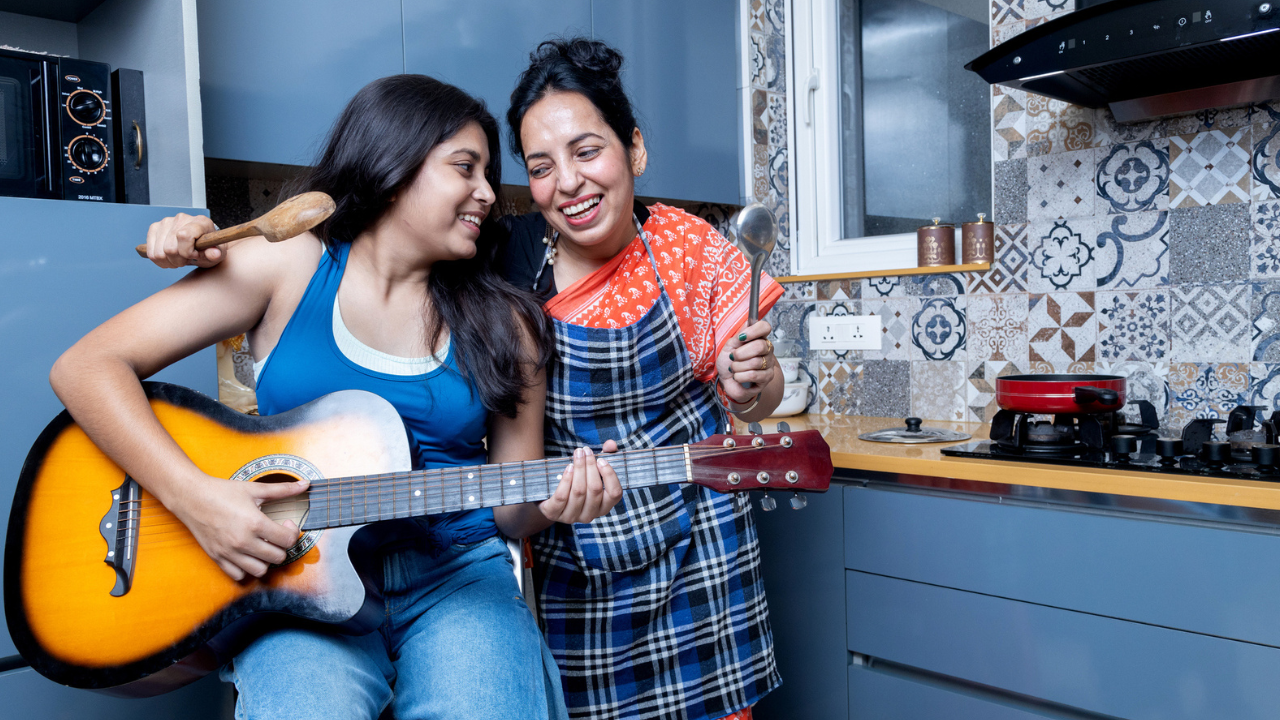
The most painful part is that they are often told they are ungrateful if they resist. That makes the child’s basic need for autonomy sound like betrayal. Over time, this can create anxiety, resentment, people-pleasing and a shaky sense of self. It is not that parents never sacrifice. Many do. The problem is when sacrifice is used as a moral shield, a way to avoid self-reflection and make the child responsible for the parent’s emotional fulfilment.
Why honesty matters more than martyrdom
Healthy parenting does not require perfection. It requires honesty. A parent can say: I wanted more for my life. I hoped for certain things. I made sacrifices, and I need to be careful not to pass that burden on to my child.That kind of honesty creates space. It lets children be children, not containers for adult regret. It also teaches an important lesson: love is not the same as ownership, and care should not come with hidden emotional invoices. The post resonates because it names something many people feel but cannot always articulate. The most toxic parenting is not simply strictness or pressure. It is the quiet manipulation of a child’s life in the name of sacrifice, then demanding gratitude for the damage.