




Taylor Swift has taken steps to protect herself in the age of artificial intelligence by trademarking her voice and likeness, adding a layer of protection against copycats.
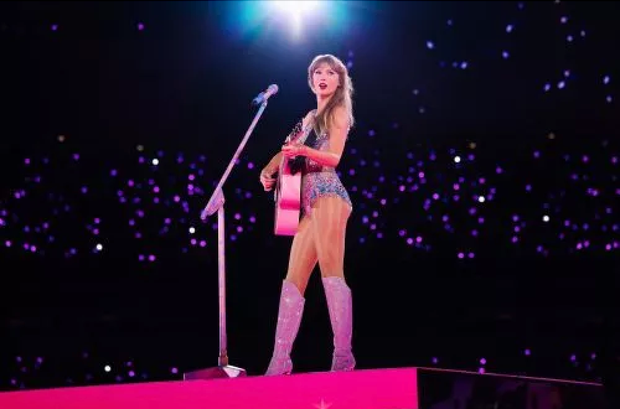
Swift’s company on Friday filed three trademark applications with the U.S. Patent and Trademark Office. Two applications cover her voice speaking the phrases “Hey, it’s Taylor Swift,” and “Hey, it’s Taylor.” The third trademark application applies to an image of the pop star posing on stage holding a guitar.
Intellectual property attorney Josh Gerben of Gerben IP, who first spotted the filings, told CBS News that he believes celebrities could require such protections as AI tools make it easy to generate audio, visual and video content known as “deepfakes,” which can depict a famous person doing or saying things they never did and might not condone.
U.S. Patent and Trademark Office 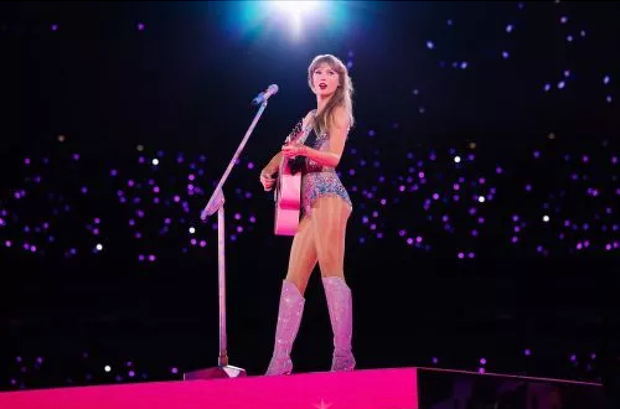
“Now, anyone can spin up a version of an artist’s voice, have it say anything, attach it to anything, and distribute it at scale. And the scary part? It doesn’t have to be an exact copy to cause damage,” Gerben said in a blog post on the trademark applications.
He told CBS News he expects Swift’s actions to kick off a flurry of similar filings. He called Swift a “leader in the intellectual property space” and said he expects other public figures to take similar steps.
“I think she is seeing a trend where AI is being used to create images, to create audio, to create deepfakes of things that are really not pleasant,” he said. “And the idea is how can celebrities and people that have a certain level of fame go to these platforms and say, ‘Hey, you can’t let your algorithm or your AI create these things.'”
Actor Matthew McConaughey similarly filed to trademark his iconic line as David Wooderson in “Dazed and Confused,” “Alright, alright, alright.”
“So the fact that they are doing this is going to set an example that a lot of people are going to follow,” Gerben said.
Existing trademark laws can help curb copycats, and also apply to content that could be mistaken for the original, trademarked material. But laws on the books were written before sophisticated AI technologies became commercially available, Gerben noted.