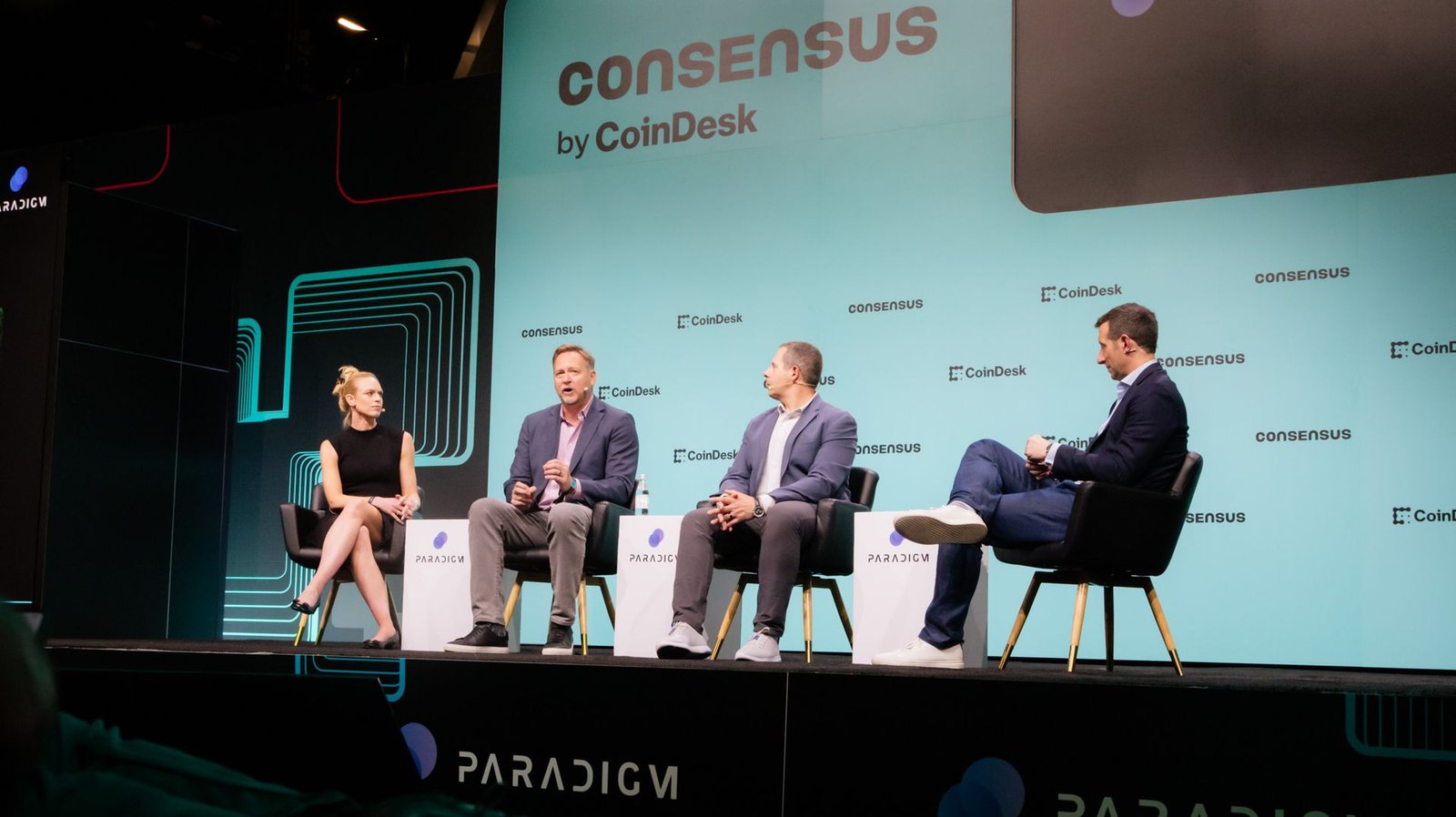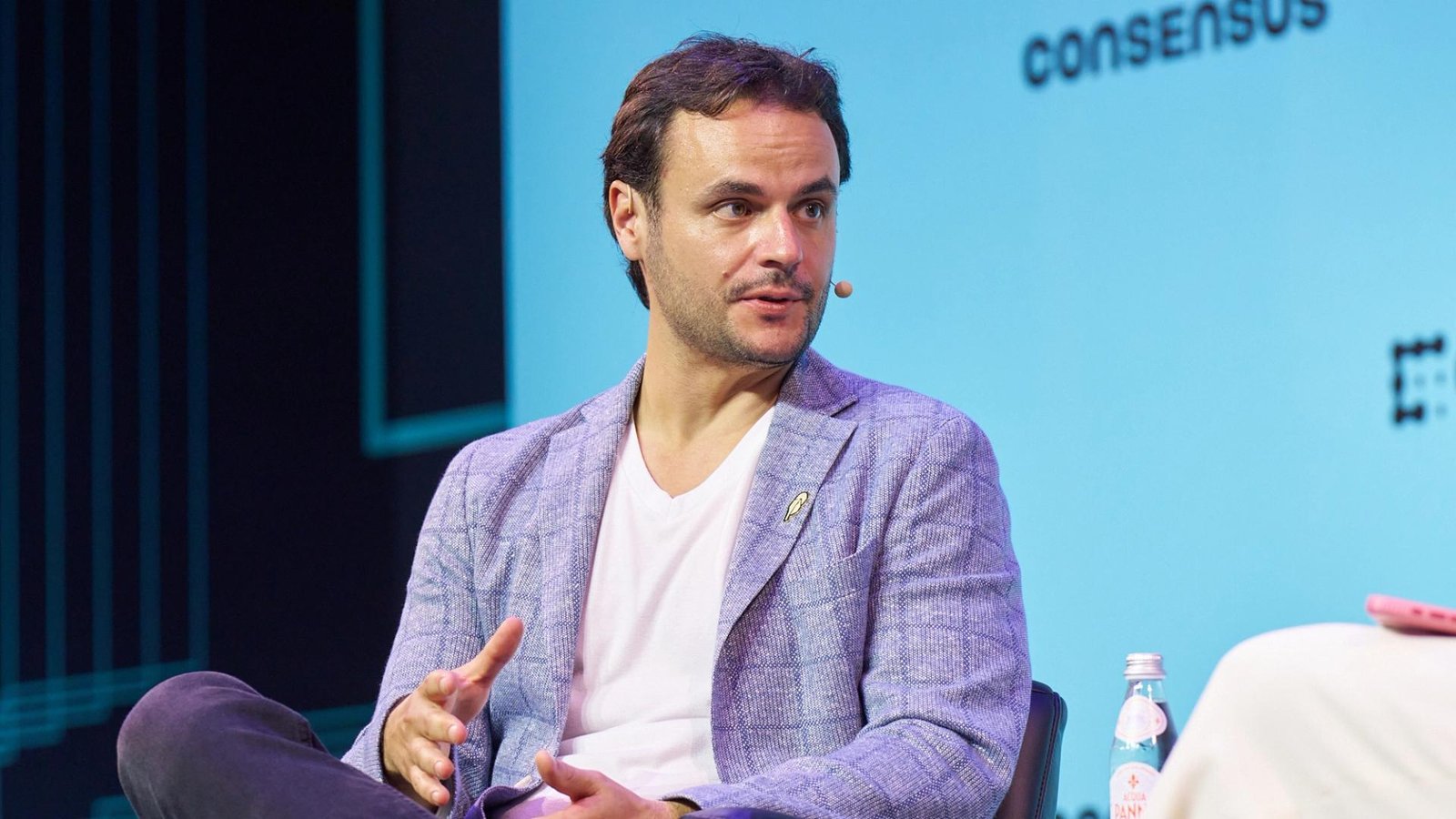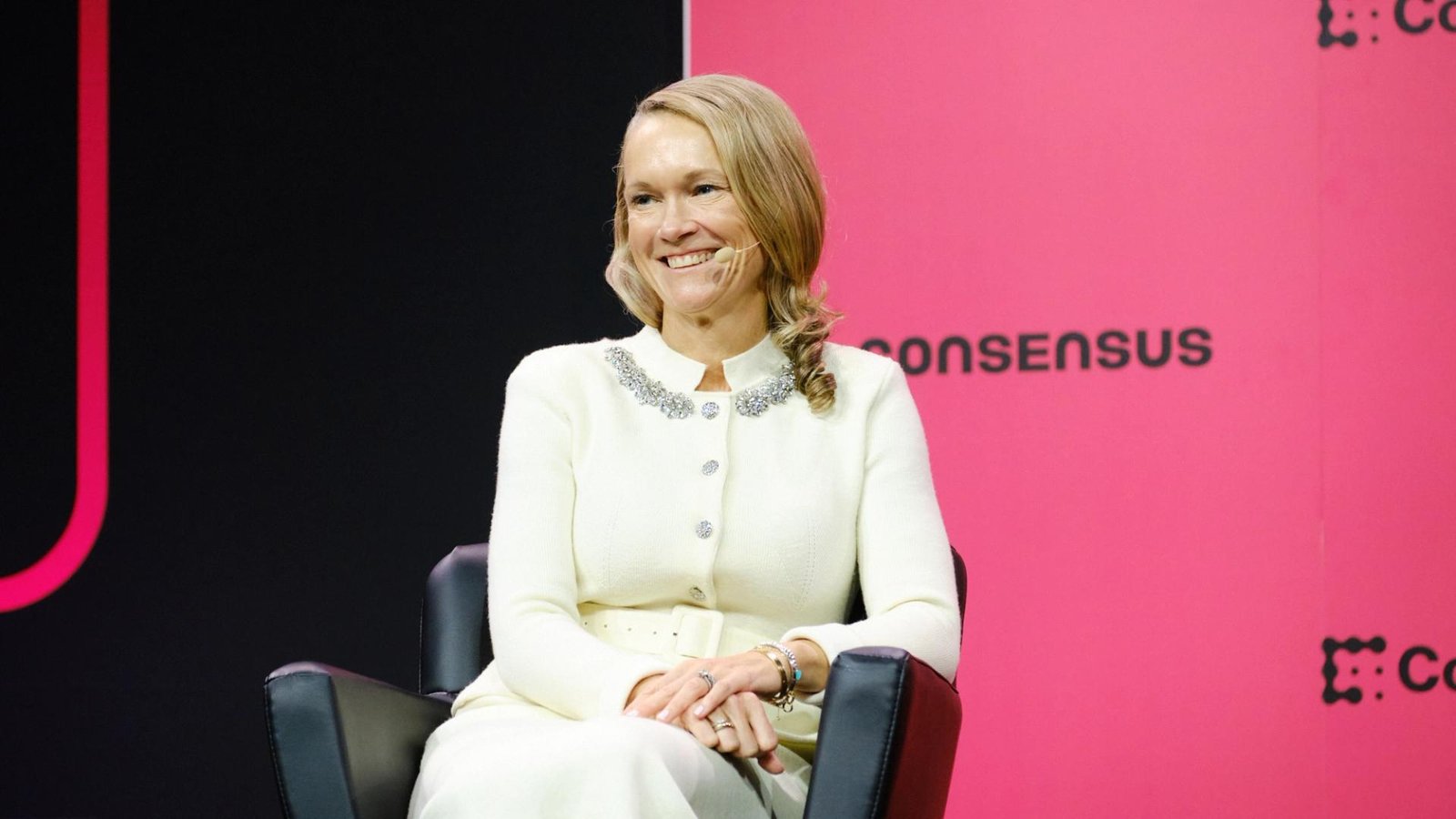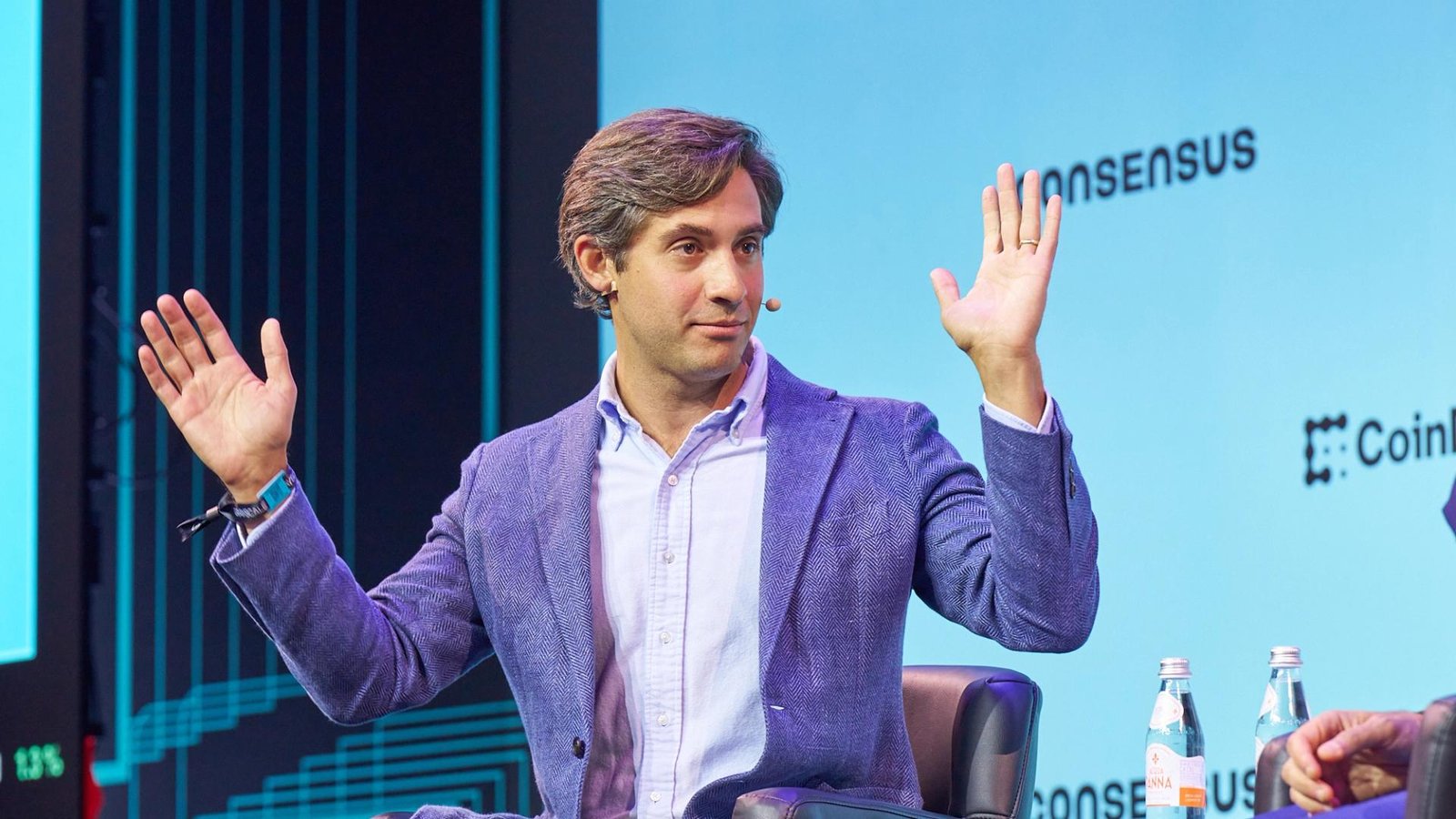









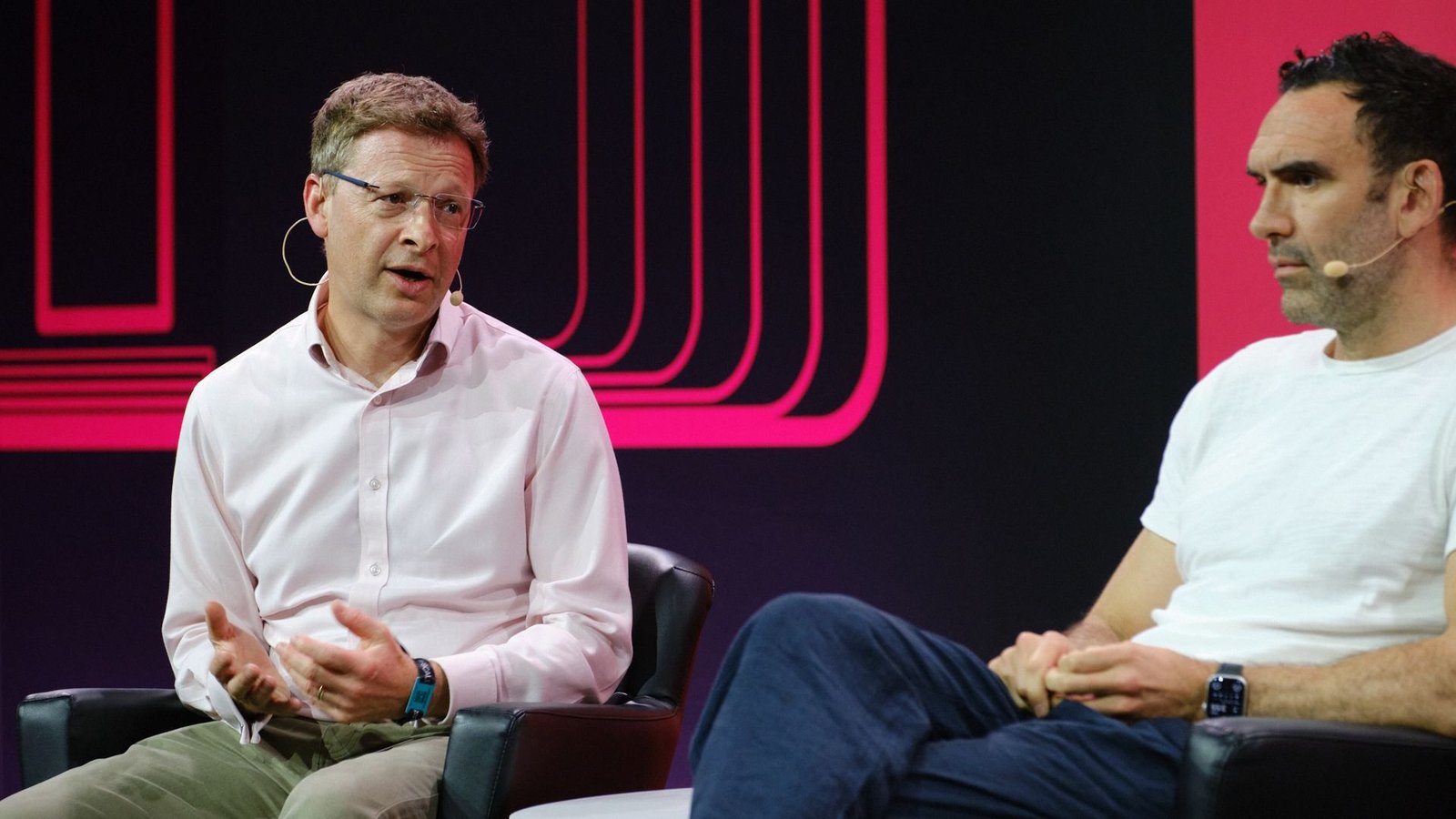
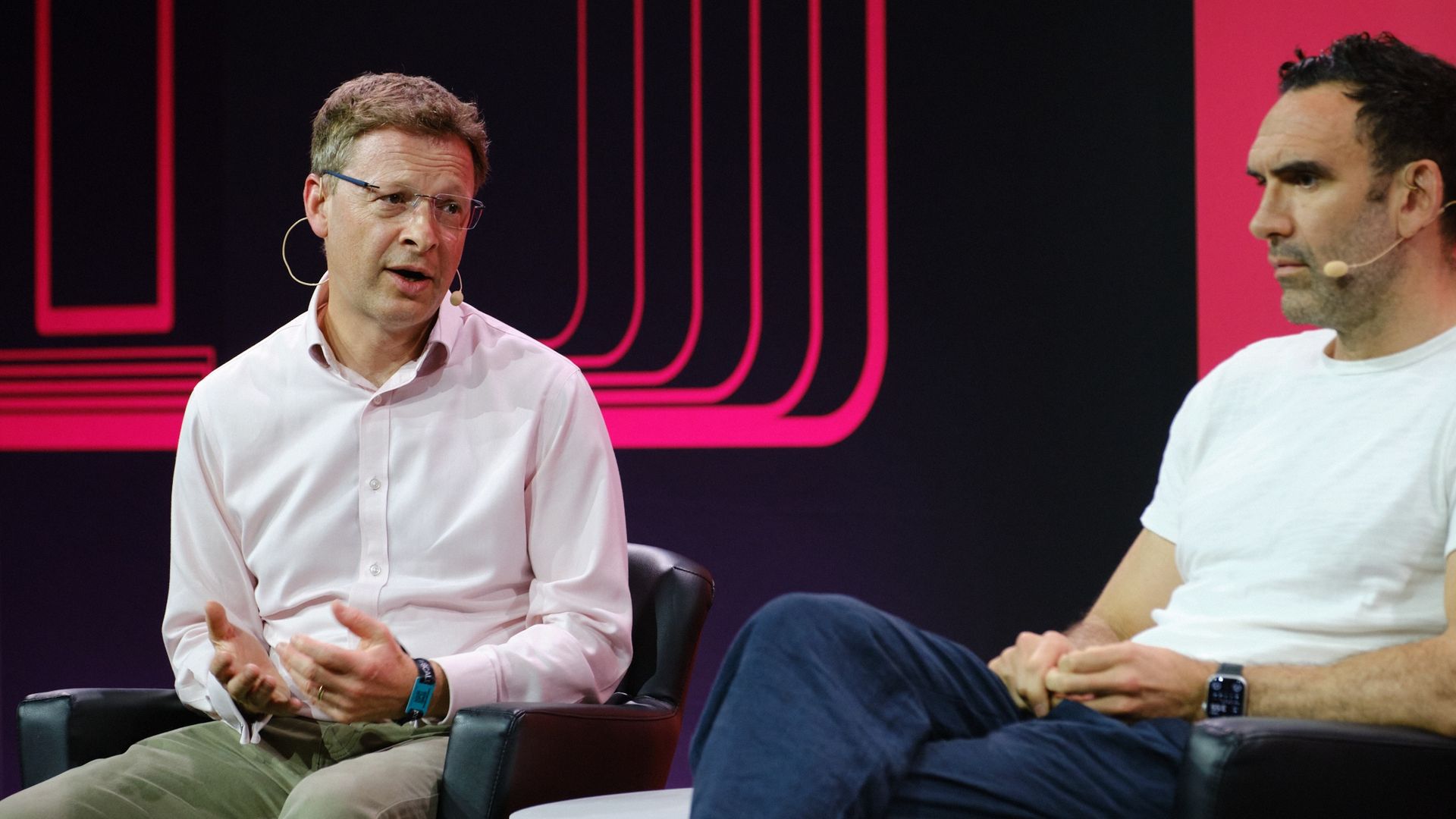
Big traditional finance firms need guardrails in a world of blockchain-based assets, particularly given how decentralized finance (DeFi) remains so susceptible to hacks and losses, the head of digital assets at custodial banking giant State Street said on Tuesday at Consensus Miami.
Still fresh in people’s minds, last month turned out to be a hacker’s bonanza in DeFi, with on-chain lending protocol Drift suffering a $295 million exploit early April, followed by a similarly sized attack on KelpDAO later in the month.
Speaking about the future of tokenized real-world assets (RWAs), Angus Fletcher, State Street’s head of digital assets, said the young crypto industry needs to find solutions now. “What are the things we actually need to solve now for a future where we’ve got trillions of dollars worth of activity on-chain? We need to start to unpick those issues now,” Fletcher said.
For institutions, interoperability between blockchains needs to be clearly defined and understood, Fletcher said, for crypto to safely scale.
“There has to be an understanding of what is the legal title and legal right when you have a token on one chain versus on another, on a cross chain basis. Our customers need to know and understand that. As institutions, it’s critical we get there,” he said.
The head of institutional at the blockchain lending protocol Morpho, Dennis Bree, said April was probably the month that has seen the most hacks in DeFi so far. “I think there’s just a general sense of understanding the security vectors, the underlying assets that are used as collateral. And we’re starting now, certainly to see curators do a lot more diligence as we think about the risk of some of those assets,” Bree said.
The everyday barriers to institutional involvement included a plethora of regulatory gray areas, Bree said. He said Morpho has curators coming to them with $10 to $15 billion in assets under management, seeking to understand how a digital vault manages that capital.
“For example, when you’ve got your capital, and you bring it into a blockchain, you have a receipt token, and instead of receipt tokens just increasing by number, they increase by value. So how does the CFO of a treasury firm think about the accounting treatment of that?”