







The Dutch expedition cruise ship MV Hondius has spent more than a week stranded and at the center of a health crisis after a deadly hantavirus outbreak killed at least three passengers and left several others sick or under watch. And after days of limbo, passengers are finally set to start leaving as the ship docks near Tenerife in Spain’s Canary Islands. The evacuation won’t be chaotic, though; it’s slated to happen in tight, carefully managed groups, with plans coordinated by the World Health Organization (WHO), the CDC, and European health agencies.The hantavirus outbreak news has people’s attention around the world because of the virus involved. As AP News reported, doctors say it’s the Andes strain of hantavirus, which can actually spread between people in certain situations, unlike most hantaviruses. Officials keep repeating that this isn’t a repeat of COVID, but for many, the memories of cruise quarantine nightmares from the pandemic feel uncomfortably close.
What’s the evacuation plan?
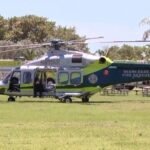
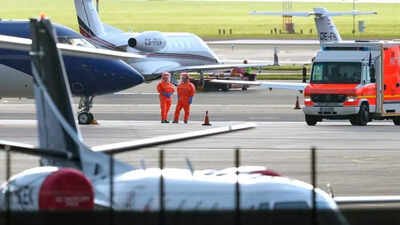
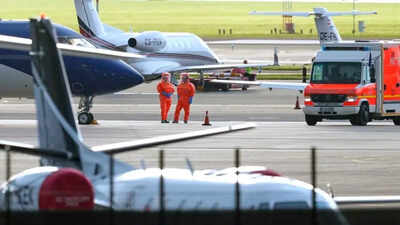
Per The Guardian, the WHO details that the plan is for passengers to start leaving the ship, in phases, from May 10 onward, once Spanish authorities give the green light for docking. Teams will sort travelers by their risk level, the country they’re from, and their health status before arranging monitored transport and charter flights home.WHO has sent experts directly onto the ship to check everyone, figure out who needs quarantine, testing, or further supervision, and start tracking down contacts internationally, which is a big job since quite a few people had gotten off earlier during stops before anyone realized there was an outbreak.
Hantavirus outbreak: What happened?
The trouble started during a 35-day polar voyage that left Ushuaia, Argentina, in early April. There were about 147 people on board from more than 20 countries. The first deaths were not immediately tied to hantavirus, which meant valuable time was lost. By the time lab tests confirmed the cause, the ship had traveled through several ports, making containment much harder.The newest outbreak update from WHO says eight cases are now linked to the MV Hondius, with six confirmed infections and three deaths. The agency calls the overall global risk “low,” but for people on the ship right now, the risk is “moderate.”One of the main questions families and passengers have had: when can people finally get off? Latest reports say disembarkation starts as soon as health clearances finish near Tenerife. Passengers will leave in small, organized groups, not all at once, to reduce exposure. Some will go straight to quarantine facilities. Others will get to head home, but under strict self-isolation rules.Per The Washington Post, for Americans, the measures seem to be even tougher. The CDC set up a chartered medical flight for 17 US citizens, flying them to Nebraska for screening and quarantine at the University of Nebraska’s National Quarantine Unit. After that, if they’re cleared, they’ll finish isolating at home for up to 42 days with check-ins from health officials.British travelers will be tested too, then flown home on their own charter flights. Irish officials say their citizens will head straight to dedicated quarantine centers run by Ireland’s Health Service Executive.
Has the outbreak been contained?
WHO Director-General Tedros Adhanom Ghebreyesus insists that the situation looks nothing like how COVID-19 started. This hantavirus doesn’t jump from person to person easily outside of close contact, and there’s no sign it’s circulating widely in communities.For the unversed, hantavirus usually spreads from rodents, specifically, their droppings and urine, not from people. The Andes strain is the exception; it can slip from person to person, but almost always after long, close contact. The illness usually starts with fever, fatigue, muscle aches, nausea, and stomach problems. In tough cases, it escalates fast with symptoms like breathing problems, shock, and severe illness.
What’s the status now?
Right now, countries and the WHO are scrambling to track down passengers who already left the ship during earlier stops like Saint Helena. So far, no big flare-ups have popped up elsewhere, but investigators are keeping a close watch.For now, getting everyone off safely is priority number one. Spanish authorities, the WHO, and the CDC are in constant contact, running what’s being called an “unprecedented operation”: isolation corridors, medical screenings, chartered planes, and lots of international coordination.