




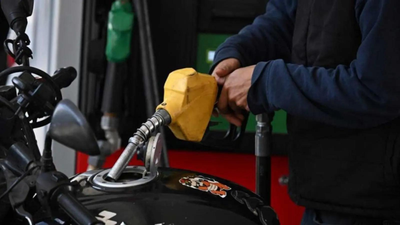
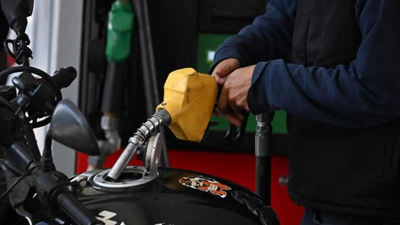
Petrol, diesel prices hiked: Oil companies on Friday announced a hike of Rs 3 per litre in petrol and diesel prices, pushing fuel rates higher across major metro cities.The Centre has repeatedly asserted that there is no fuel shortage in the country and no plan to introduce rationing of petrol, diesel or LPG despite disruptions in global energy shipments linked to the Iran conflict and the Strait of Hormuz crisis.“There is no need to panic. There are sufficient supplies. There is no rationing in place. It’s not going to happen,” Oil Secretary Neeraj Mittal said recently at the CII Annual Business Summit.Officials said India currently maintains around 60 days of fuel stocks and nearly 45 days of LPG inventories despite continuing volatility in global energy markets.
Petrol, diesel prices hiked today: Check city-wise list of new rates
According to news agency ANI, petrol in the national capital will now cost Rs 97.77 per litre, up from Rs 94.77, while diesel prices have risen to Rs 90.67 per litre from Rs 87.67. The revised rates came into effect on Friday.
The increase has also pushed fuel prices above Rs 100 per litre in several cities. In Kolkata, petrol will now retail at Rs 108.74 per litre after a hike of Rs 3.29, while diesel has gone up by Rs 3.11 to Rs 95.13 per litre.In Mumbai, petrol prices have risen by Rs 3.14 to Rs 106.68 per litre, while diesel now costs Rs 93.14 per litre following an increase of Rs 3.11. Chennai also saw a sharp rise, with petrol prices climbing by Rs 2.83 to Rs 103.67 per litre and diesel rates increasing by Rs 2.86 to Rs 95.25 per litre.
Why petrol, diesel price hike was inevitable
India had so far avoided increases in petrol and diesel prices, choosing instead to absorb the pressure through state-run oil marketing companies (OMCs), tax adjustments and supply management measures.India imports nearly 90 per cent of its crude oil requirements, making the economy highly vulnerable to global energy price shocks.Earlier this week, Oil minister Hardeep Singh Puri said India currently has sufficient fuel reserves to avoid any immediate supply disruption despite disturbances in global energy trade routes, noting that the country holds enough stocks to last around two months. At the same time, he cautioned that if crude oil prices remain elevated and retail fuel prices are not revised, state-owned fuel retailers could face losses of nearly Rs 1 lakh crore within a single quarter.Addressing the CII Annual Business Summit, Puri acknowledged the growing financial pressure on public sector oil marketing companies due to unchanged fuel prices. According to him, the three state-run retailers are together losing around Rs 1,000 crore every day, while cumulative under-recoveries have reached close to Rs 1.98 lakh crore. He warned that losses of around Rs 1 lakh crore in just one quarter could erase the industry’s entire annual earnings.Puri explained that the gap between international benchmark prices and domestic retail prices has widened substantially, leading to massive financial strain.The minister highlighted that petrol and diesel prices have remained unchanged for the last four years despite major global energy shocks.RBI governor Sanjay Malhotra had also this week indicated that petrol and diesel prices may eventually need to be increased if the West Asia conflict persists for an extended period.Addressing a conference in Switzerland on Tuesday, the Reserve Bank of India governor said the government has so far maintained fiscal discipline and continued its fiscal consolidation efforts.The ongoing conflict in West Asia, along with the blockade of the Strait of Hormuz, has disrupted global oil and gas supply chains, leading to a sharp rise in energy prices.Malhotra pointed out that India relies heavily on imported energy and fertilisers, and the impact of these disruptions is now beginning to be felt domestically.Speaking about the prolonged nature of the crisis, he said that if the situation continues, it may only be a matter of time before the government passes some of the higher costs on to consumers through fuel price revisions.Meanwhile, PM Narendra Modi has urged citizens to cut down on fuel consumption and edible oil usage, among other austerity measures, as part of efforts to conserve foreign exchange reserves.