






The aftermath of an atrocity is a compelling place to start a story, not least because it foreshadows the next set of social challenges that will await if any of the current global atrocities ever end.
Marie-Clémentine Dusabejambo’s stunning debut feature, a decade in the making, wrestles with the mood in Rwanda 18 years after the 1994 genocide. It was then that members of the Hutu tribe attacked their neighbouring Tutsis with such bloodlust that, in the course of 100 days, they murdered between 500,000 and 1,000,000 souls and raped hundreds of thousands of women.
Get more Little White Lies
Dusabejambo walks a tightrope with formidable grace in her reckoning with the legacy of genocide: she honours the burdens of survivors, distilling hundreds of hours of real testimony, gleaned through a research process that might have resulted in a documentary. These non-fiction roots are felt acutely in the presence of non-actors, whose devastating stories have the ring of truth. One of the many miracles of the structurally refined screenplay, co-written with Delphine Agut, is that it allows suffering to breathe without languishing in despair.
As a further act of fictional imagination, Dusabejambo builds the atmosphere of this particular time both for its own sake and to fuel a family drama. This intimate drama flows into scenes of community reckoning and back again without losing coherence.
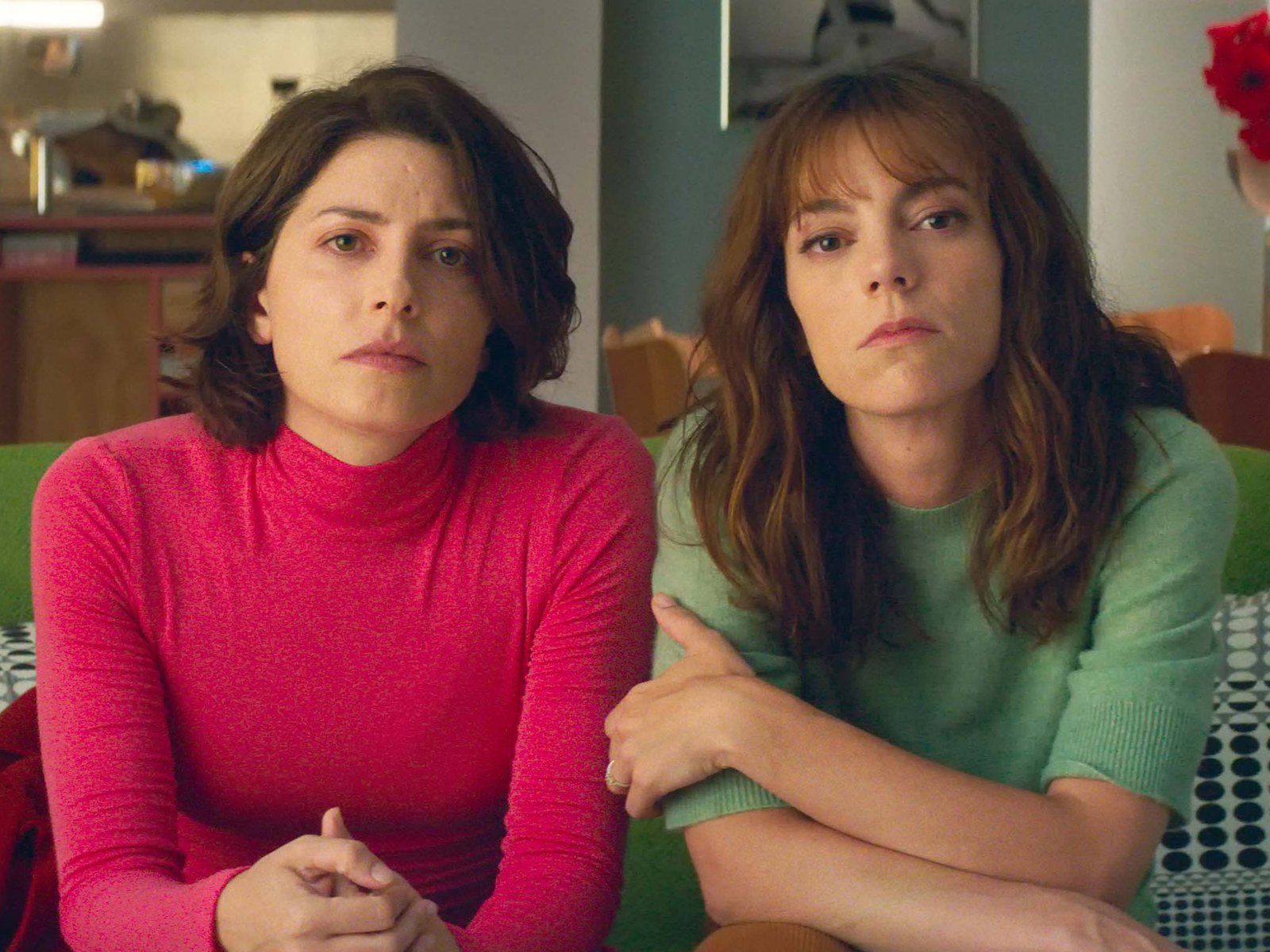
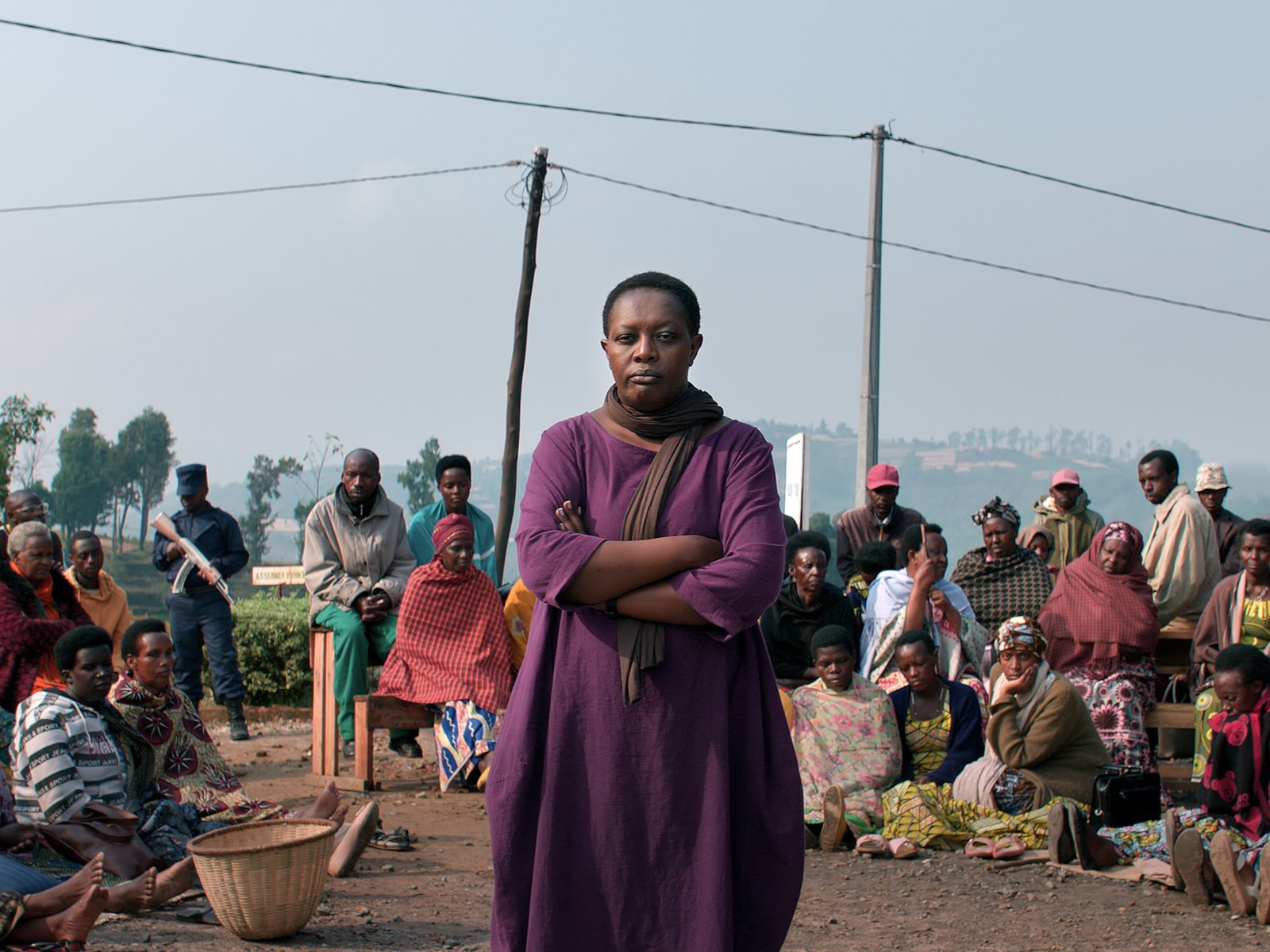
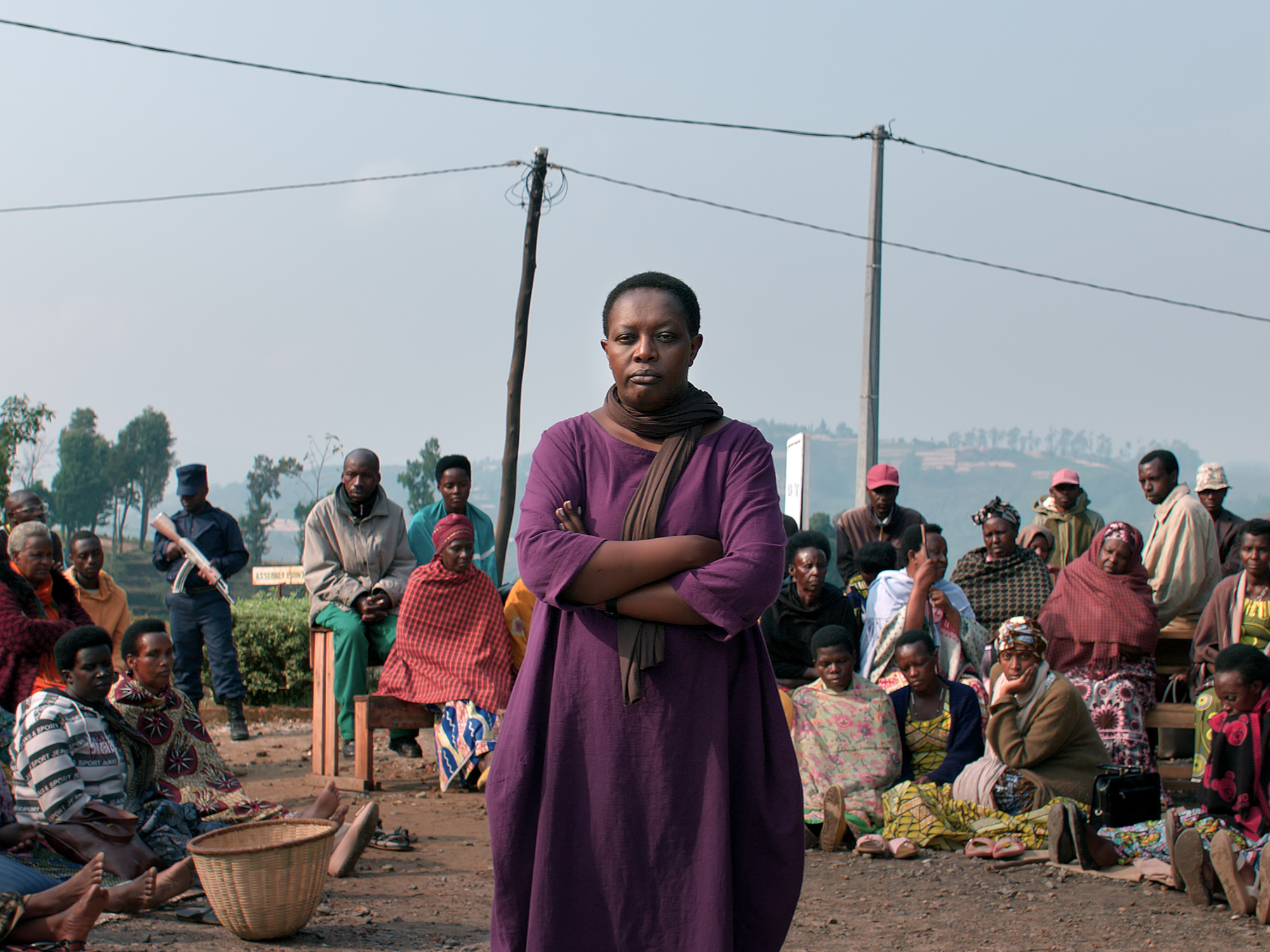
We open in 2002 in Kibeho, a mountain village where killers and their surviving victims live side-by-side. Courts deliver insufficient justice and the next generation struggles to walk free of the graveyard under their feet. Tutsi survivor and single mother, Vénéranda (Clémentine U. Nyirinkindi) opts into a group leader role at the National Unity and Reconciliation Commission, a state initiative designed to facilitate dialogue between victims and perpetrators. Vénéranda is impartial in these spaces but it’s a different story when she learns that her bright and beautiful teenage daughter, Tina (Kesia Kelly Nishimwe), has fallen pregnant by a Hutu man. She lashes out at her daughter with a ferocity that calls to mind the dangers of living with unprocessed trauma.
Dusabejambo presents Vénéranda’s double standard as an observation rather than as a flaw to be judged. Through her worldly viewfinder, it’s a given that advocating for an abstract principle has little in common with the primal instincts that govern our private lives. Despite the wrenching subject, cinematographer Mostafa El Kashef’s widescreen images ground the viewer within elegant compositions. Watching a film composed solely of still images (with no jerky handheld shots) is not just a visual pleasure, it feels like an intentional act of care. Dusabejambo uses form to provide a stable space where nothing is too awful to say, without the sentimentality of a lesser artist whose hand might shake before such revelations.
The performances are uniformly excellent, from both professional actors and the non-actors in the ensemble who fill out all the public spaces. A standout is Isabelle Kabano as Vénéranda’s sister Suzanne. She embodies a scalding righteous scorn born from irredeemable loss, yet she shows tenderness toward Tina, brushing her hair and offering refuge.
Suzanne, like all the survivors who speak of their losses, is afforded the dignity that arises when you free someone from the pressure to be inspirational. The women are exhausted at having to expose their traumas in the same breath as being asked to forgive the women who stood by as their sons and husbands committed the worst kinds of depravity. As one woman attending Vénéranda’s dialogues puts it, “I’m tired of being asked to forgive. I don’t carry around a bag of forgiveness.”
This film has a mighty scope because it offers an open space for expressing mass grief and trauma while channeling momentum that carries its characters into the future. Ben’Imana is a testament to the type of life that must be.