








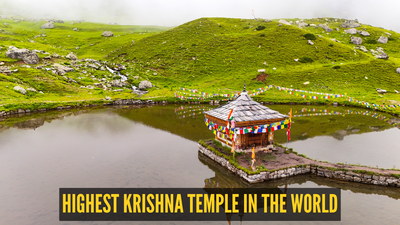
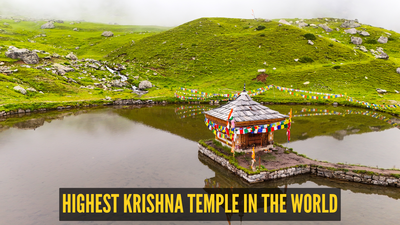
Tucked away in Kinnaur’s rugged mountains, miles away from Himachal Pradesh’s crowded tourist hubs, you’ll find a spot blending myth, adventure, spirituality, and incredible views. Sitting at an elevation of roughly 3,900 meters, Yulla Kanda hosts what most consider the highest Krishna temple on the globe. Bordering a crystal-clear glacial lake and walled in by massive Himalayan peaks, this isolated shrine is still largely off the radar for most Indian pilgrims. Reaching Yulla Kanda actually takes some sweat, which makes finally getting there feel just as special as the site itself, a stark contrast to the heavily visited, drive-up religious sites elsewhere.
Where is the world’s highest Krishna temple?
The temple sits in Himachal Pradesh’s Kinnaur district at Yulla Kanda. This whole area is famous for its steep valleys, ancient traditions, and extending apple orchards. You will find the temple high on 3,895 metres in the Rora Valley.What differentiates this place is its exceptional scenery. The building stands right at the edge of a high-altitude lake. When the weather is clear, the calm blue water acts like a mirror, catching the reflection of the snow-capped mountains and the temple to create a flawless Himalayan postcard.
Why is this temple unique?
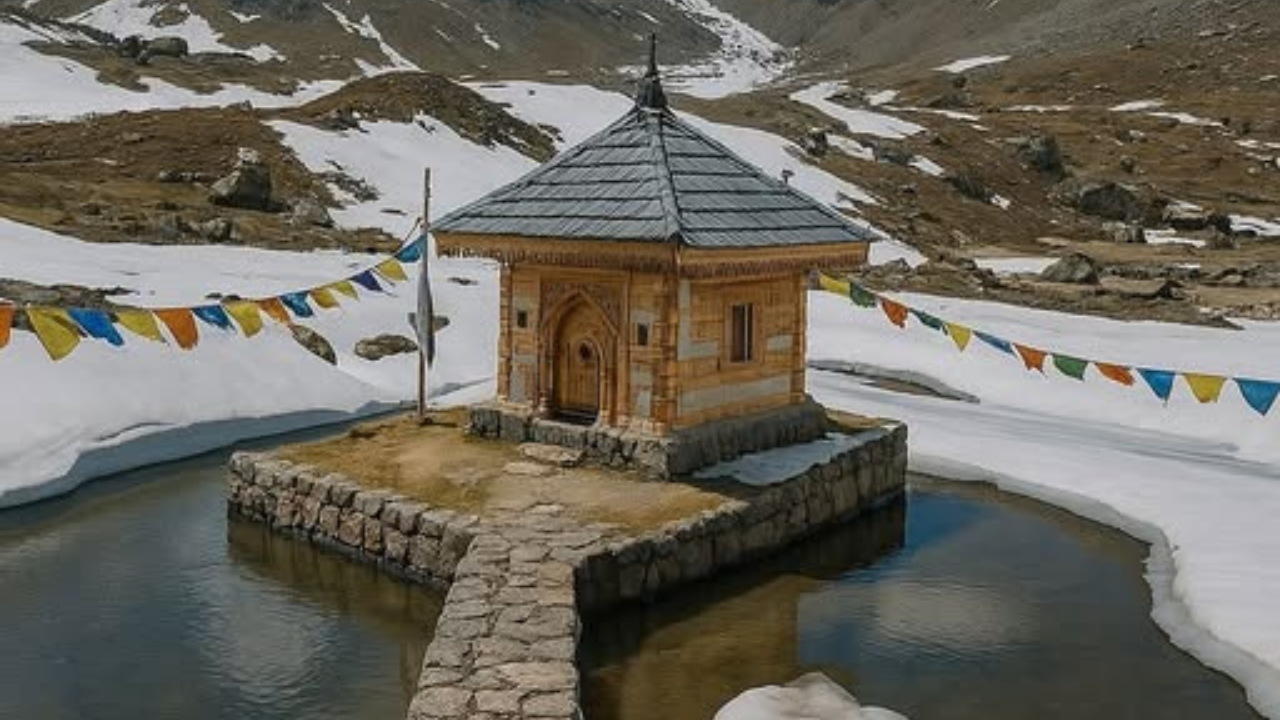
Image Credit: Facebook/ Ministry of Culture
Its main claim to fame is simply being the highest shrine dedicated to Lord Krishna anywhere in the world. While you’ll spot countless high-altitude temples for Lord Shiva across the Himalayas, finding one for Krishna is incredibly rare.Local legends tie the site directly to the Mahabharata. People here believe the Pandavas spent a chunk of their exile in these mountains, eventually digging out the lake and building the temple for Lord Krishna, who served as their guide and protector. Inside, there is a self-manifested idol of the deity. The spot remains hugely important to the locals today. Every year during Janmashtami, devotees tackle the steep hike to pay their respects, turning a normally quiet, high-altitude meadow into a lively festival of faith.
The fascinating floating-cap ritual
One of the coolest local traditions at Yulla Kanda involves a simple floating cap. You can take a traditional Kinnauri cap, and place it on the lake’s water. People believe, if the cap floats on the surface your wishes will come true. If it sinks, you might face some problems anytime soon. Whether you see it as a serious spiritual omen or just a quirky regional custom, trying the cap ritual is a core part of visiting Yulla Kanda and gives you a neat look into Kinnauri culture.
The journey is part of the experience
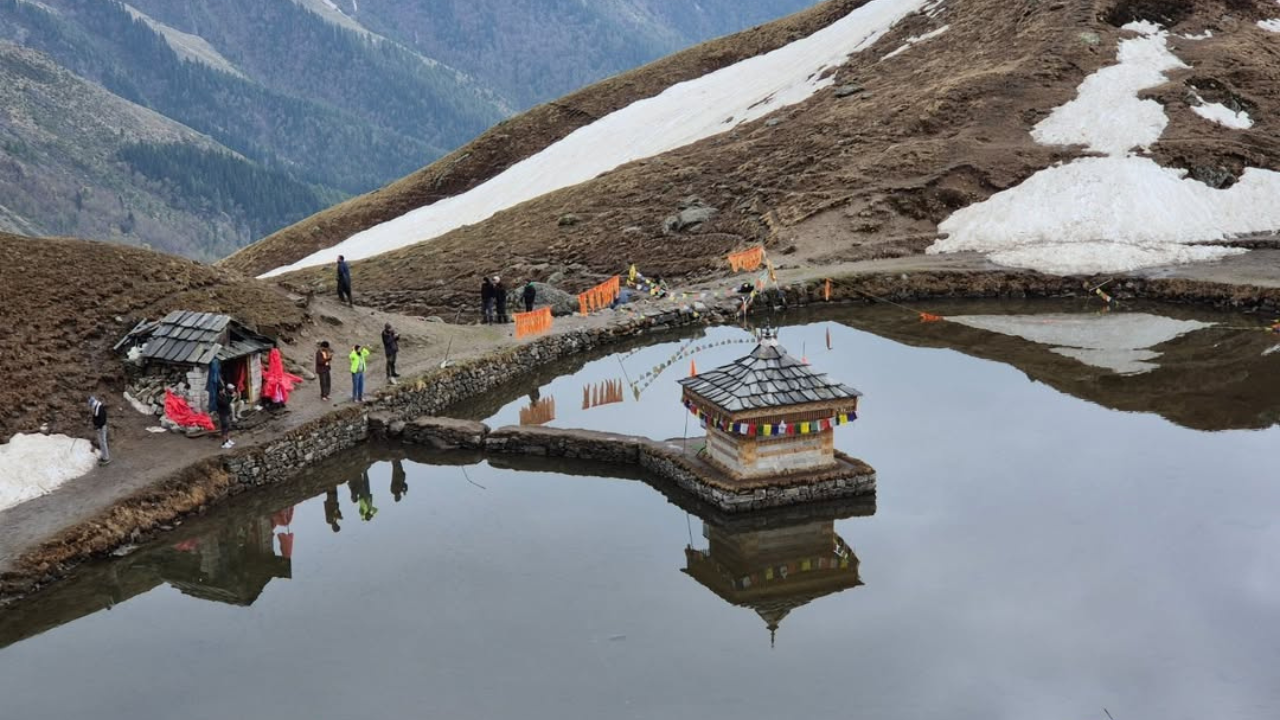
Image Credit: Instagram/ yulla_kanda_trek
You can’t just drive up to Yulla Kanda, and that’s exactly why it feels so rewarding to visit.The trip kicks off at Yulla Khas, a village about 20 kilometers away from Tapri along the historic Hindustan-Tibet Road. From there, you have to hike. The trail moves through thick deodar and pine forests, crosses mountain streams, passes waterfalls, and opens up into wide alpine meadows before you finally spot the lake. The trek is generally considered easy-to-moderate, so you don’t need to be a mountaineer, just reasonably fit. The payoff along the route includes stunning, uncrowded views of the Kinnaur ranges and lush pastures that feel a million miles from mainstream tourist spots.
How to reach
Your closest major transit hub is Shimla. From town, you can grab a taxi or hop on a bus heading to Tapri via National Highway 5, which happens to be one of North India’s most scenic mountain drives. From Tapri, local cabs are available to drop you at Yulla Khas to start the trek.If you are planning a trip, aim for somewhere between May and October. The trail is mostly clear then, and the weather cooperates. September through early October is probably the sweet spot, especially for photographers, since the skies clear up and the mountain views are at their sharpest.
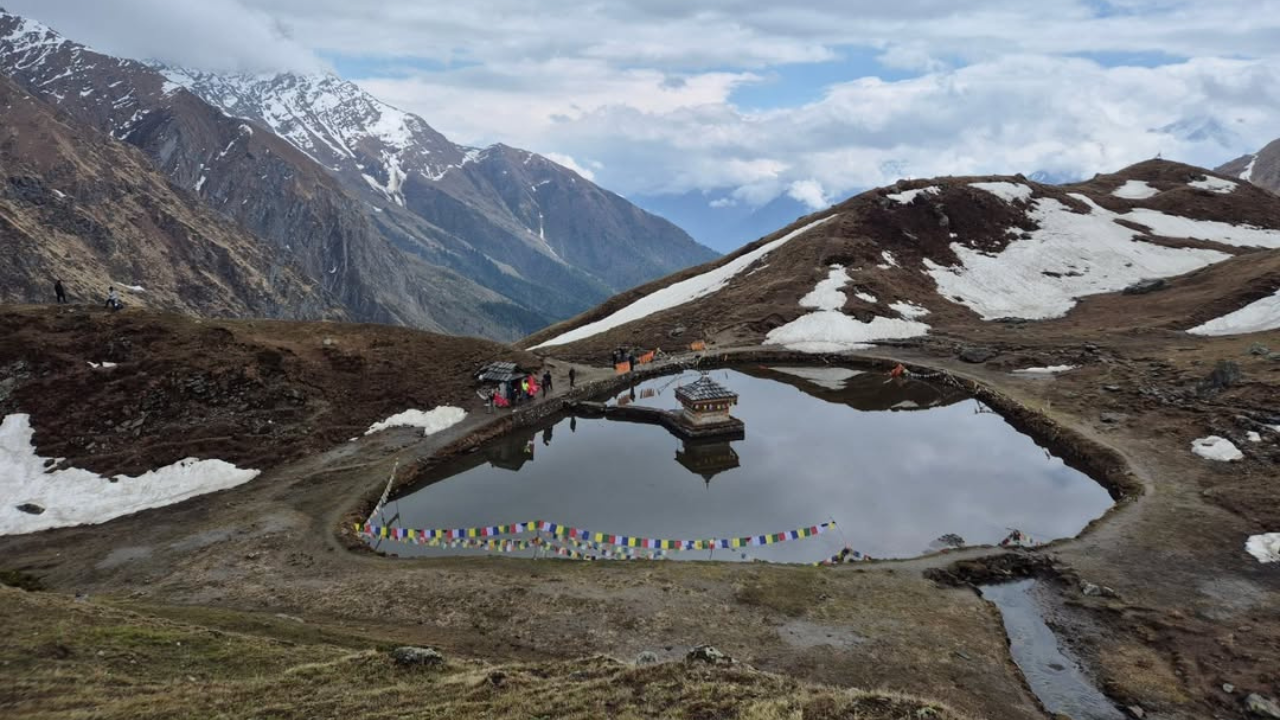
Image Credit: Instagram/ yulla_kanda_trek
Beyond the temple: What else to explore
It’s incredibly easy to track on a few more of Kinnaur’s highlights while you’re in the neighborhood.
- Kalpa: You should definitely check out this village. It’s famous for its direct, sweeping views of the sacred Kinner Kailash mountains, plus it’s packed with traditional architecture and old monasteries.
- Sangla Valley: You can also drive over to Sangla, loved for its lush green, river-side scenery.
- Chitkul: A bit further down the road lies Chitkul. Often called the last inhabited village before the Indo-Tibetan border, it’s easily one of the prettiest spots in the entire Himalayan chain.
Hitting all these spots gives you a much deeper understanding of everyday life, culture, and nature in Kinnaur.