








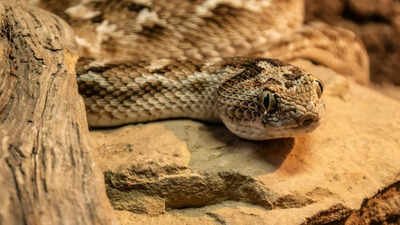
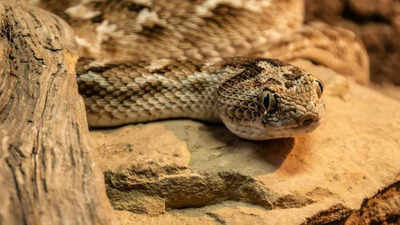
Utah is not usually the first place people associate with snakes. The state’s image tends to revolve around red-rock deserts, mountain landscapes,, and vast stretches of open country. Yet water changes the picture. Around lakes, reservoirs, rivers, rs and wetlands, food becomes easier to find, vegetation grows thicker, and shelter is more readily available. Those conditions draw a surprising variety of snake species into relatively small areas.Many of Utah’s snakes are harmless, though a handful are venomous. Most prefer to avoid people and slip away unnoticed. Encounters often happen simply because humans and snakes are drawn to the same places during warmer months. Whether along a lakeshore trail, beside a marsh boardwalk, or near a riverbank, these waterways support some of the highest levels of snake activity in the state.According to WorldAtlas, check the list of the 5 snake-filled waters in Utah.
Utah’s 5 Most Snake-Filled Waters
1. Great Salt Lake
pc: Canva
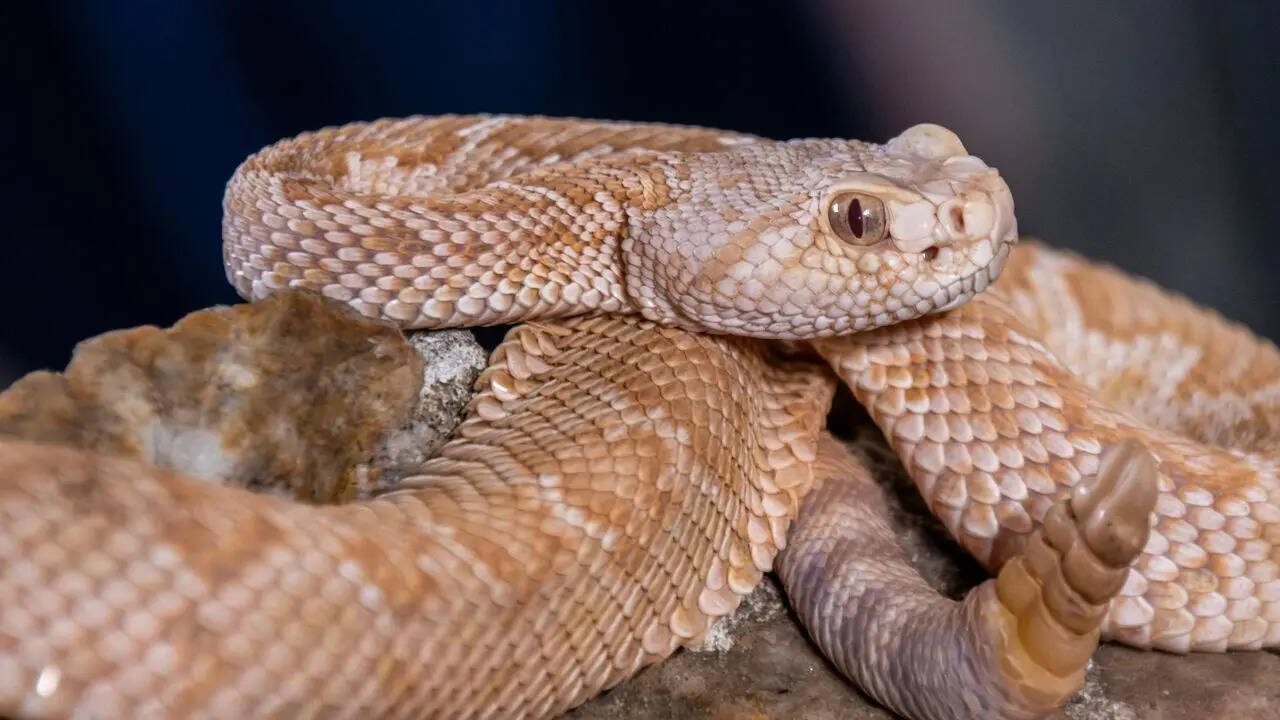
The water of the Great Salt Lake itself is far too salty for snakes to live in comfortably. The real attraction lies around its edges. Freshwater streams feeding the lake create extensive marshes and wetlands where amphibians, small fish, and rodents thrive. For snakes, it is an ideal setting. Wandering garter snakes are among the species most frequently seen in these freshwater channels. They often move through shallow water or bask close to pathways. Great Basin gopher snakes are also common around the lake and can easily be mistaken for rattlesnakes because of their size and defensive behaviour. Higher up on rocky ground, Great Basin rattlesnakes are regularly found away from the marshes themselves.Certain parts of the shoreline attract more sightings than others. Wetland preserves and managed habitats around the lake provide a combination of dense vegetation, open basking spots,s and reliable prey, creating conditions where snakes remain active throughout much of the year.2. Fish Springs National Wildlife Refuge
pc: Canva
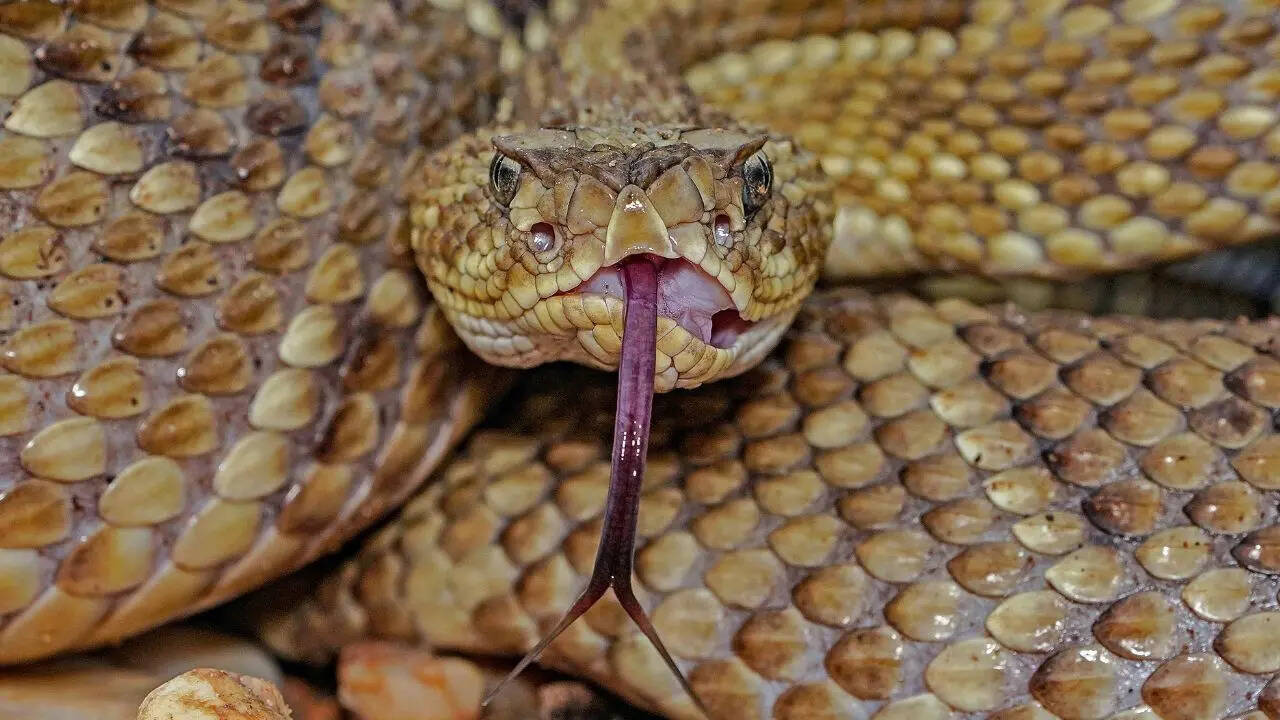
In the middle of a harsh desert landscape, Fish Springs stands out as a rare oasis. Permanent springs feed thousands of acres of wetland habitat, producing one of the most important freshwater environments in western Utah. The refuge’s isolation helps concentrate wildlife. Rather than being spread across a wide area, animals gather around the dependable water source. Frogs, fish, and small mammals are particularly abundant along marsh edges, creating a steady food supply for snakes.Wandering garter snakes are often seen hunting near shallow water, while Great Basin gopher snakes patrol drier sections around roads and grasslands. Western yellow-bellied racers move quickly through open areas during daylight hours. Great Basin rattlesnakes are generally associated with nearby rocky terrain but occasionally venture closer to wetland margins where prey is plentiful.Even during cooler periods, the warm spring-fed waters help maintain activity levels that would otherwise decline in such an isolated desert setting.3. Sand Hollow Reservoir
pc: Canva
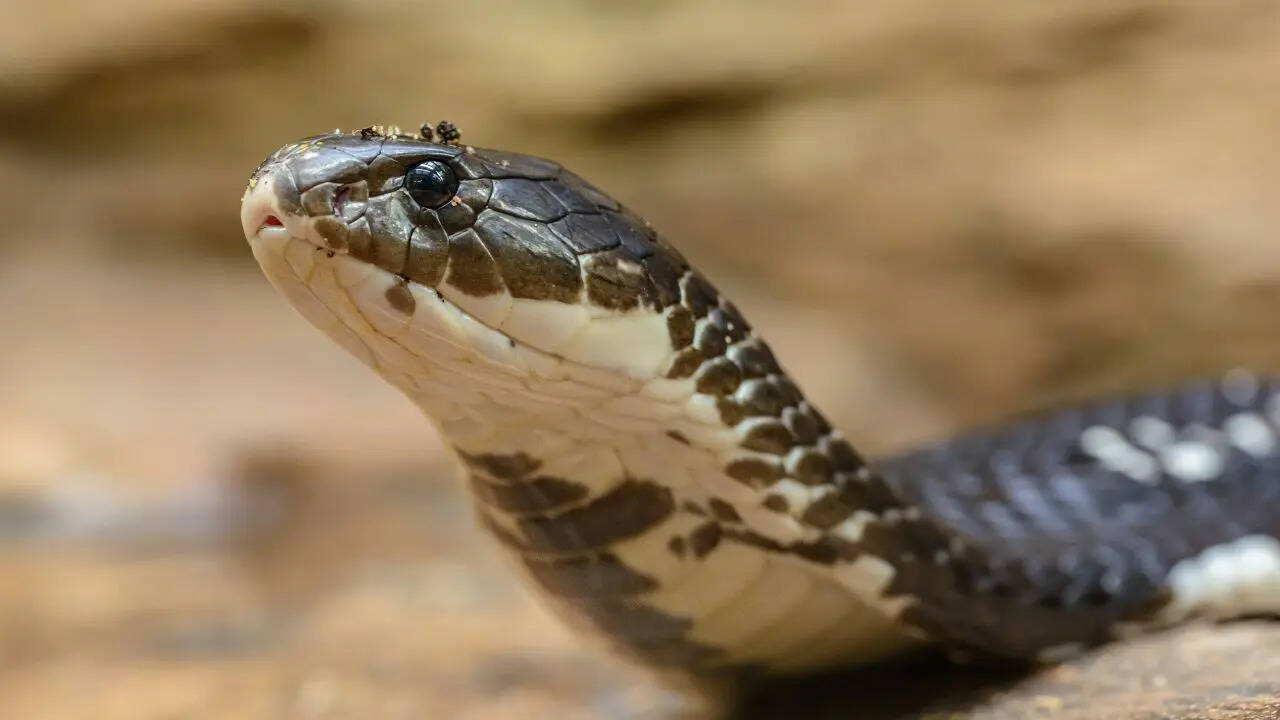
Sand Hollow Reservoir sits in one of Utah’s warmer regions, and that warmth is a major reason snakes are so common here. The combination of rocky ground, sandy patches, and shoreline vegetation creates a patchwork of habitats that suit several species.During spring, summer, and early autumn, snakes often remain close to the reservoir where prey is easier to locate. Activity tends to increase during the cooler parts of the day, particularly in the early morning and towards evening. Great Basin rattlesnakes occupy rocky slopes and brush-covered areas near the shore. Gopher snakes are equally widespread and frequently trigger concern because they can imitate rattlesnake behaviour when disturbed. Desert glossy snakes emerge after dark in sandy habitats, while garter snakes stay closest to the water itself.Although most species spend the majority of their time on land, swimming is not unusual. Observers have occasionally spotted snakes crossing sections of the reservoir, particularly during hot weather when cooler conditions near the water become attractive.4. Lake Powell
pc: Canva
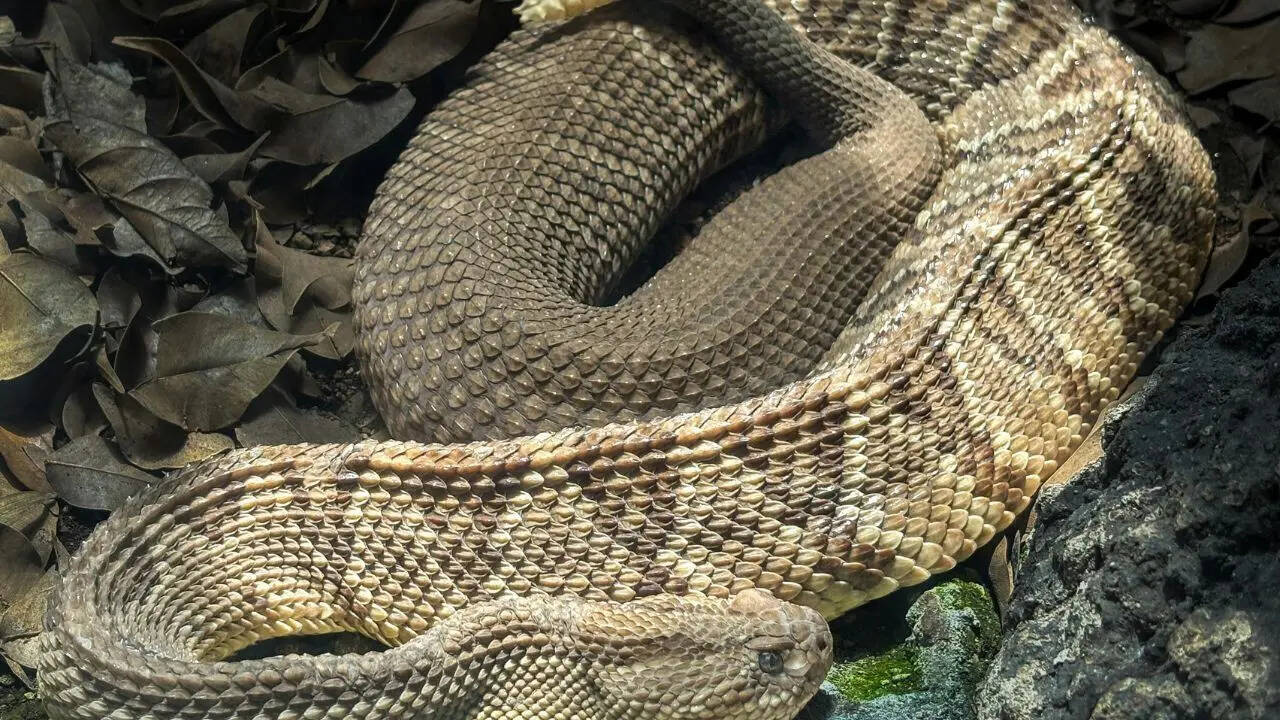
Lake Powell’s enormous shoreline provides countless hiding places. Cliffs, rock ledges, dense brush, and narrow inlets create a landscape where snakes can move between shelter and hunting grounds without exposing themselves for long periods. The reservoir attracts a steady supply of prey, from lizards to small mammals, encouraging snake populations to remain active along much of the shoreline. Seasonal fluctuations in water levels can also influence movement. When rising water affects traditional shelter sites, snakes may be forced to relocate, sometimes entering the water during the process.Gopher snakes are among the species most often encountered around the lake. Great Basin rattlesnakes occupy rocky areas above the shoreline and have been observed swimming when moving between locations. Faded rattlesnakes, a species closely associated with the Colorado Plateau, are typically found among rocky cliff environments. Several garter snake species also occur around the reservoir and are comfortable in aquatic environments. Common kingsnakes add another dimension to the ecosystem, as they are known to prey on other snakes.5. Green River
pc: canva
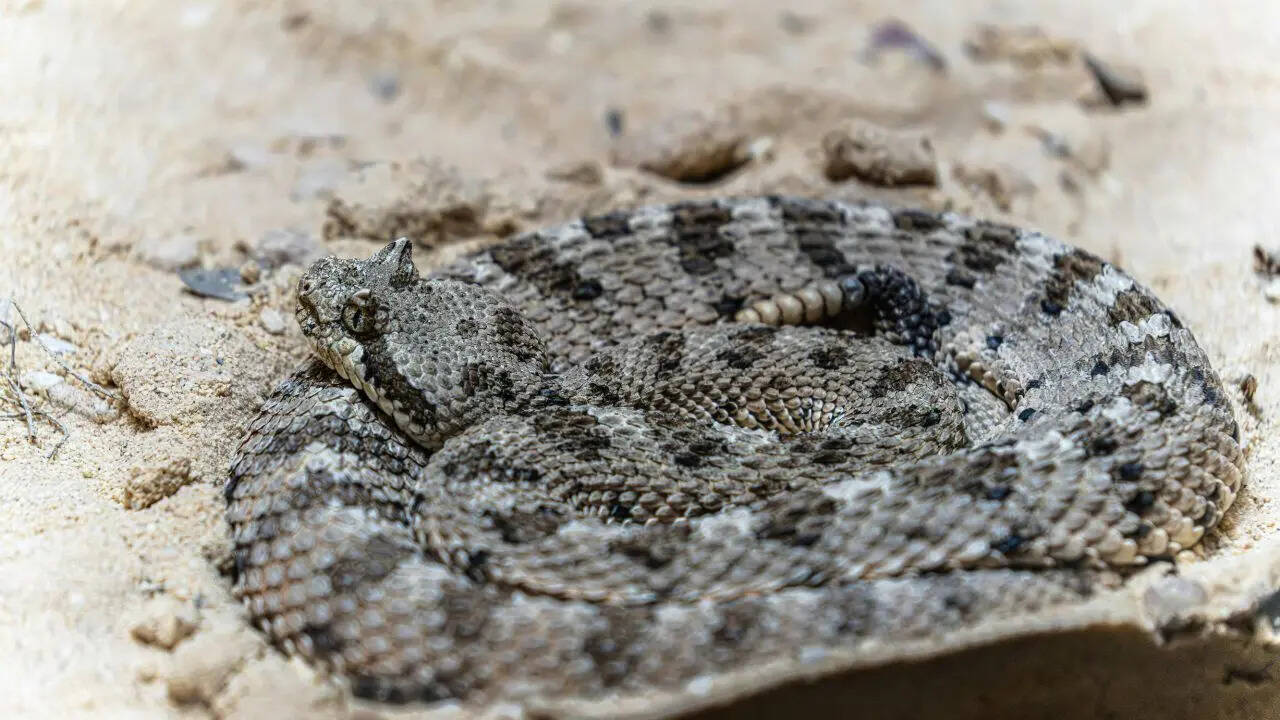
The Green River cuts through landscapes that can otherwise be dry and demanding. Its presence creates a corridor of vegetation, moisture, and shelter that supports a wide variety of wildlife, including numerous snake species. Along the riverbanks, dense plant growth provides cover while nearby rocky slopes supply crevices for refuge. These conditions are especially noticeable around areas such as Flaming Gorge Reservoir, where steep terrain meets the water’s edge.The river is home to several distinctive species. Midget faded rattlesnakes occur within parts of the Green River Basin and are closely associated with rocky habitats near the water. Despite their relatively small size, they possess potent venom and are protected under Utah regulations. Great Basin gopher snakes regularly move through vegetation near the shoreline and are often mistaken for rattlesnakes. Wandering garter snakes and western terrestrial garter snakes are frequently seen around wetter sections of the river system. Smaller species, including the southwestern black-headed snake, make use of moist soils and sheltered streamside habitats, adding to the area’s remarkable diversity.