






Cosmic explosion in space! NASA’s Hubble Telescope captures comet C/2025 K1 breaking apart |

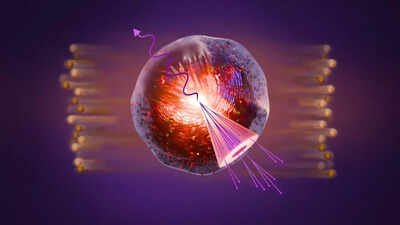
NASA’s Hubble Space Telescope has captured a rare moment involving the comet C/2025 K1 (ATLAS) as it began breaking apart. Events like this are not often seen, mainly because comet fragmentation is difficult to anticipate and even harder to observe at the right time. The results were later published in the journal Icarus.Interestingly, the comet…

Read More

From crypto to crops: Bitcoin mining heat warms a Dutch greenhouse for growing tulips |

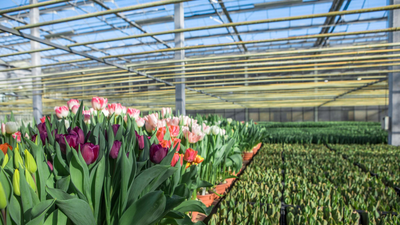
Dutch greenhouse growing tulips In a greenhouse on the outskirts of the Netherlands’ flower-growing regions, rows of tulips bloom in a climate controlled not only by traditional horticultural equipment but also by humming cryptocurrency computers. Instead of allowing heat generated by Bitcoin mining machines to dissipate into the air, farmers and engineers have begun redirecting…

Read More

‘Starlink now available in Kuwait!’: Elon Musk confirms satellite internet rollout amid US-Israel-Iran war |

The satellite internet service Starlink, owned by Elon Musk, is now reportedly available across Kuwait. The announcement comes amid heightened tensions in the Middle East, with Kuwait battling the direct impact of the ongoing US-Israel war with Iran. Tehran has targeted critical infrastructure, including parts of Kuwait International Airport in retaliation to US-Israel strikes on…

Read More

What if plastic waste could treat Parkinson’s? Scientists unveil a surprising method to turn bottles into medicine |

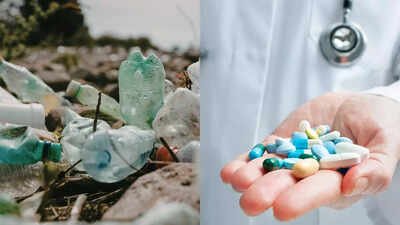
Plastic waste has long been treated as one of the world’s most persistent environmental problems. Bottles pile up in landfills, drift into oceans, and linger for decades without breaking down. Yet a surprising shift in thinking is beginning to take shape. Scientists are no longer looking at plastic purely as waste. Instead, it seems they…

Read More

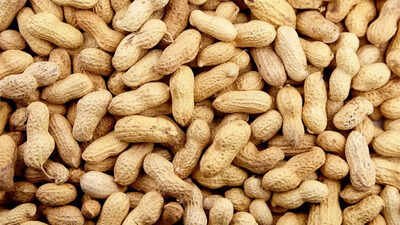
Could peanut shells power your devices? Scientists convert farm waste into high-quality graphene for batteries |

Revolutionising the synthesis of graphene as an alternative to conventional graphite for lithium-ion batteries, UNSW Sydney scientists have created a highly efficient and cost-effective method for transforming low-value peanut hull waste stockpiles into high-quality graphene for batteries through innovative flash Joule heating technology. The process produces super-conductive graphene nanomaterials in just seconds and could dramatically…

Read More