






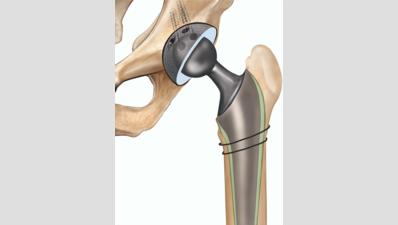
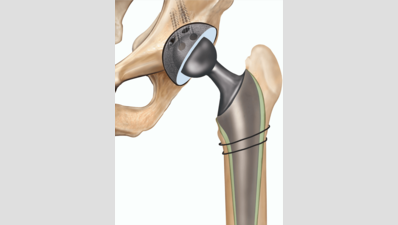
Mumbai: When 91-year-old Mahim resident Chander Ahuja slipped during his morning walk last month and fractured his hip, he had one overriding concern — avoiding prolonged bed rest.A widower who lives independently in a flat next to his niece’s home, Ahuja decided to undergo hip replacement surgery, a choice that would once have been viewed with caution in people of his age. “But my uncle wanted to stay mobile,” said his niece, advocate Indra Sajnani.Accordingly, on April 26, senior orthopaedic surgeon Dr Sanjay Agarwala performed a dual mobility total hip replacement on Ahuja at Hinduja Hospital, Mahim. “This procedure allows for a greater range of movement and significantly reduces the risk of dislocation, which is an important consideration in elderly patients,” said Dr Agarwala.Moreover, early surgical intervention is critical, as prolonged bed rest could lead to complications such as bedsores, lung issues, among others, he said.It is estimated that by 2050, nonagenarians will account for approximately 71 million of the world’s population. It is anticipated that the prevalence of hip arthritis and the need for total hip arthroplasty will continue to increase in this age group.Dr Agarwala said Ahuja’s case reflects a growing trend of elderly patients opting for advanced surgeries aimed at restoring mobility and improving quality of life. “In the last five years, we at Hinduja Hospital have performed over 450 knee and hip replacement surgeries on patients over 80 years of age, of which over 150 surgeries were done by me,” he added.Dr S Mohanty, professor of orthopaedics at BMC-run KEM Hospital in Parel, said age alone is no longer considered a barrier to surgery. “Age is not a contraindication for surgery. It is usually chronic medical conditions such as diabetes or cardiac issues that could make surgery difficult for an elderly person. But a 90- or even a 100-year-old who is walking and alert cognitively can undergo surgery,” said Dr Mohanty.