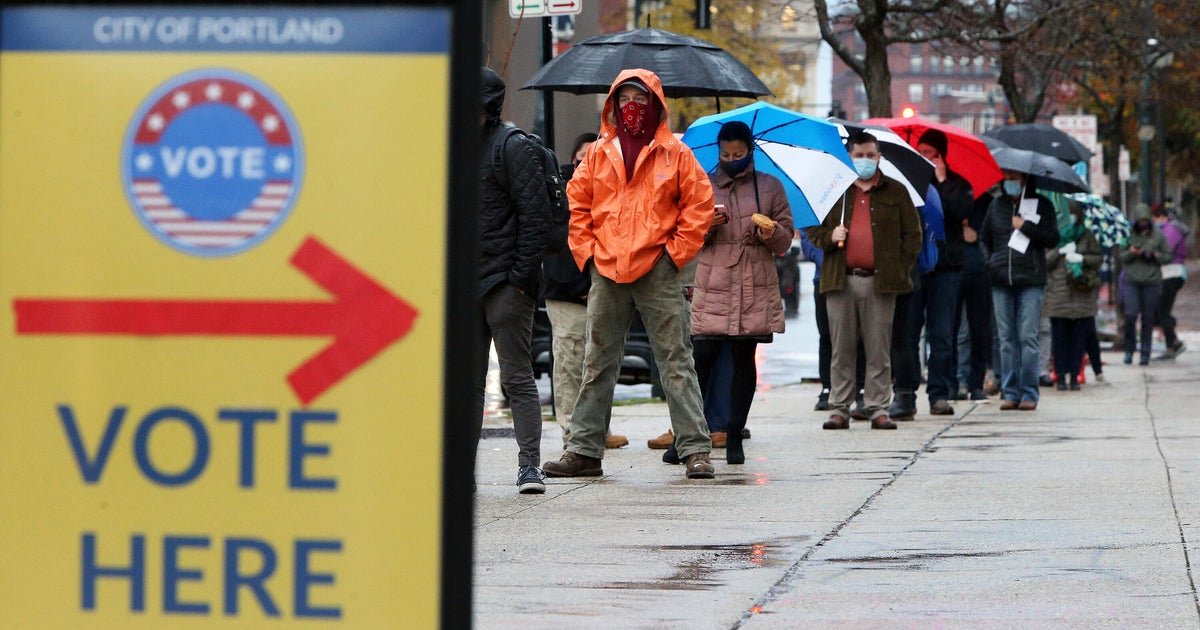








Consumer polls about the state of the U.S. economy suggest the mood is grim: Two-thirds of respondents to a recent CBS News poll reported feeling financially stressed, while a majority said soaring gasoline prices are causing hardship.
For now, however, such sentiments have yet to quash consumer spending, the critical flow of dollars that keeps the economy humming. What gives?
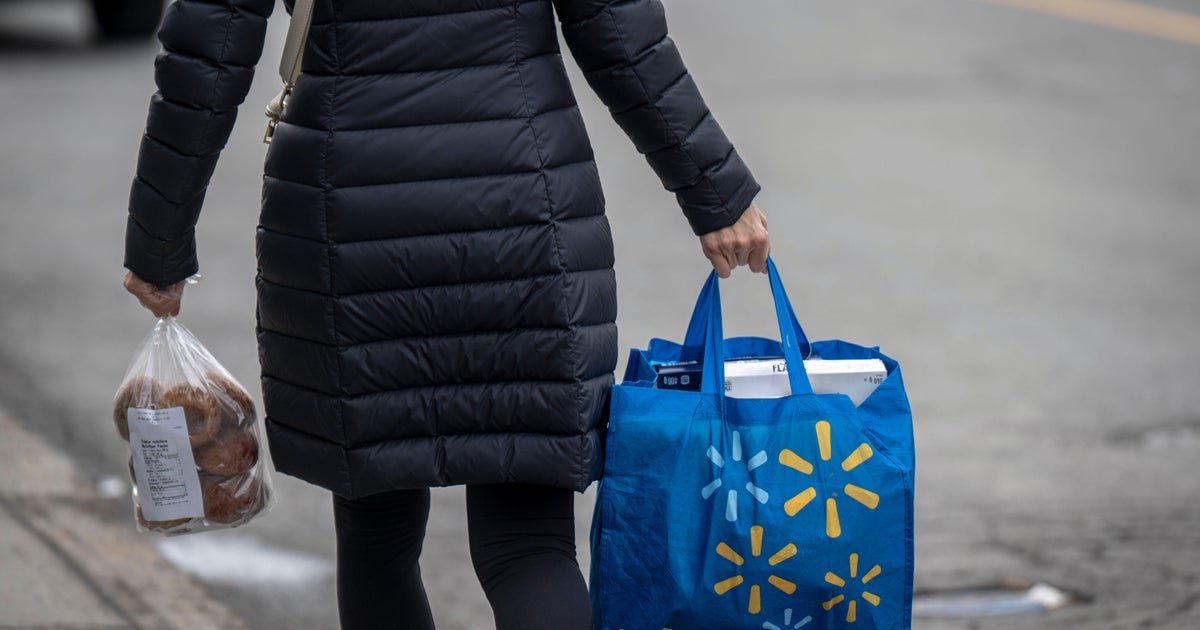
Walmart’s latest financial results illustrate the pattern, with the world’s largest retailer on Thursday reporting another quarter of strong sales growth. The company’s low prices are drawing shoppers across the income spectrum who are spending more on essentials, particularly gas. Other retailers have also recently reported strong results, including Home Depot, Target and TJ Maxx owner TJX.
Retail sales nationwide slowed in April from the previous month but remained healthy, showing resilience despite the surge in prices at the pump driven by the Iran war.
But higher gas prices are adding up: The typical U.S. household is paying an additional $188 in fuel costs since the start of the war in late February, according to an estimate by Brown University researchers. Inflation, meanwhile, reached 3.8% in April, its highest level in almost three years.
The disconnect between gloomy consumers and resilient spending matters because consumer spending drives about two-thirds of U.S. economic activity. For now, spending is holding up mostly because wealthier households are continuing to open their pocketbooks and because of temporary supports, such as larger tax refunds.
Economists warn that the picture could change quickly if gas prices stay elevated.
“At present, there are a lot of negative vibes about the economy and its trajectory that are making people feel gloomy. However, the reality is that most consumers do have some firepower to keep on spending,” Neil Saunders, an analyst and managing director of retail at GlobalData, told CBS News.
And while gauges of consumer confidence have weakened, these measures reflect people’s willingness to spend more than their ability to spend, he noted.
Many households are also holding up, and continuing to spend, thanks in part to larger tax refunds this spring. IRS data shows the average refund is about 12% higher than last year, with the typical refund for the 2026 tax season at $3,276.
“This is a temporary effect, but it has been helpful,” Saunders said.
Why high-income shoppers matter
Although Americans continue to shop, the distribution of spending could point to trouble ahead. Data shows that consumer spending these days is increasingly driven by higher-income earners.
Economists have termed this trend the “K-shaped economy,” which refers to the divergent fortunes of wealthier consumers compared with lower-income households. The upward arm of the “K” represents the strong spending and income growth among upper-income Americans.
On the downside of the K, many households of modest means face difficult tradeoffs amid rising gas prices and stubborn inflation, according to economists. In April, higher-income consumers “continued to power forward,” while lower- and middle-income consumers pulled back on discretionary spending, Bank of America Institute said in a recent analysis of spending data.
“The largest divergences in discretionary spending growth appeared to be on ‘bigger ticket’ services like travel, perhaps reflecting lower-income households’ hesitancy around vacation plans, given uncertainty over wage growth and gas prices,” Bank of America Institute analysts wrote.
Many higher-income consumers are also shopping at discount retailers. Walmart Chief Financial Officer, John David Rainey, said in an earnings call on Thursday that “the high-income customer is spending with confidence into many categories, while the lower-income consumer is more budget conscious and perhaps navigating financial distress.”
Can consumers keep up?
The question is whether consumers can keep opening their wallets if gas prices remain elevated, and what happens if higher energy prices trickle through to other goods and services, such as groceries. Heightening the challenge for Americans is that wages failed to keep pace with inflation in April, a trend that could weaken their purchasing power if it persists.
“We will start to see some cracks appear if gas prices remain too high for too long,” Saunders said. “Over recent months, the impact has been offset by a windfall from higher tax refunds, but this will eventually fade.”
But he added that consumers have complex coping mechanisms, meaning some might opt to cut back on travel to save on gas rather than curtail spending on other goods and services.
Higher gas prices can also lift retail sales because fuel purchases are included in the data, meaning rising gas costs can inflate topline sales figures, Saunders noted.
“Lower sentiment shows up in many ways, including changing where people shop and how they shop, even if they are still spending,” Saunders said.