








In 2012, just under a year after the end of the Second Gulf War, New Yorker staff writer Dexter Filkins wrote an article entitled ‘Atonement After Iraq’ about a former US marine and the family whose lives were forever changed when three of their number were shot dead during a misunderstanding at a Baghdad intersection. In the blink of an eye Margaret Kachadoorian’s husband and two sons were killed. Her daughter Nora was shot in the shoulder. Her infant grandson was left without a father. Two generations were murdered in the street because they were mistaken by US forces for Iraqi insurgents. Filkins was contacted by ex-marine Lu Lobello years after the fact. He was there that day, in desert fatigues with a semi-automatic in his hands. He’d thought about Margaret and her family and what he and his fellow marines did every day since. Lobello asked Filkins if he’d help him meet the Kachadoorians.
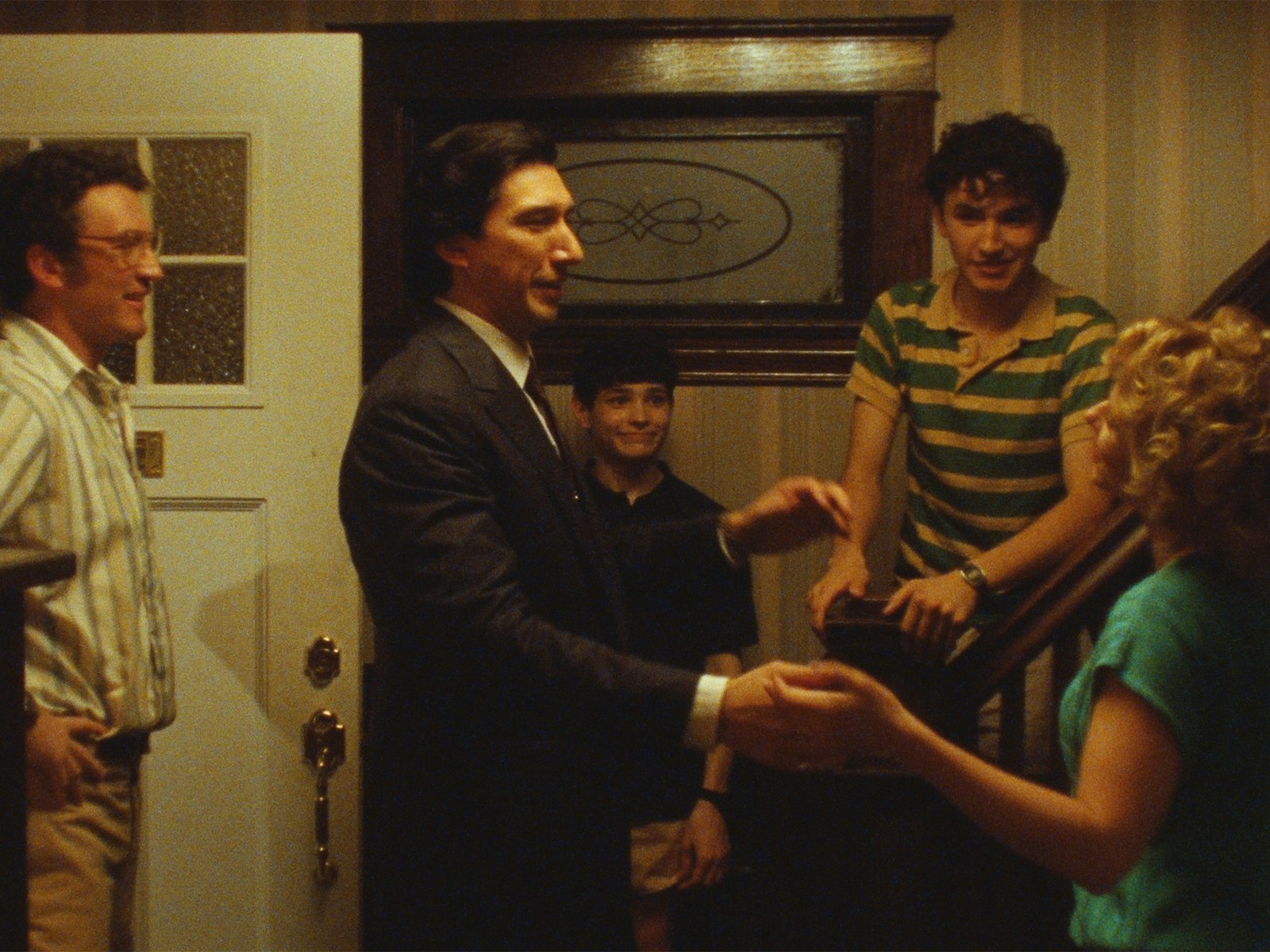
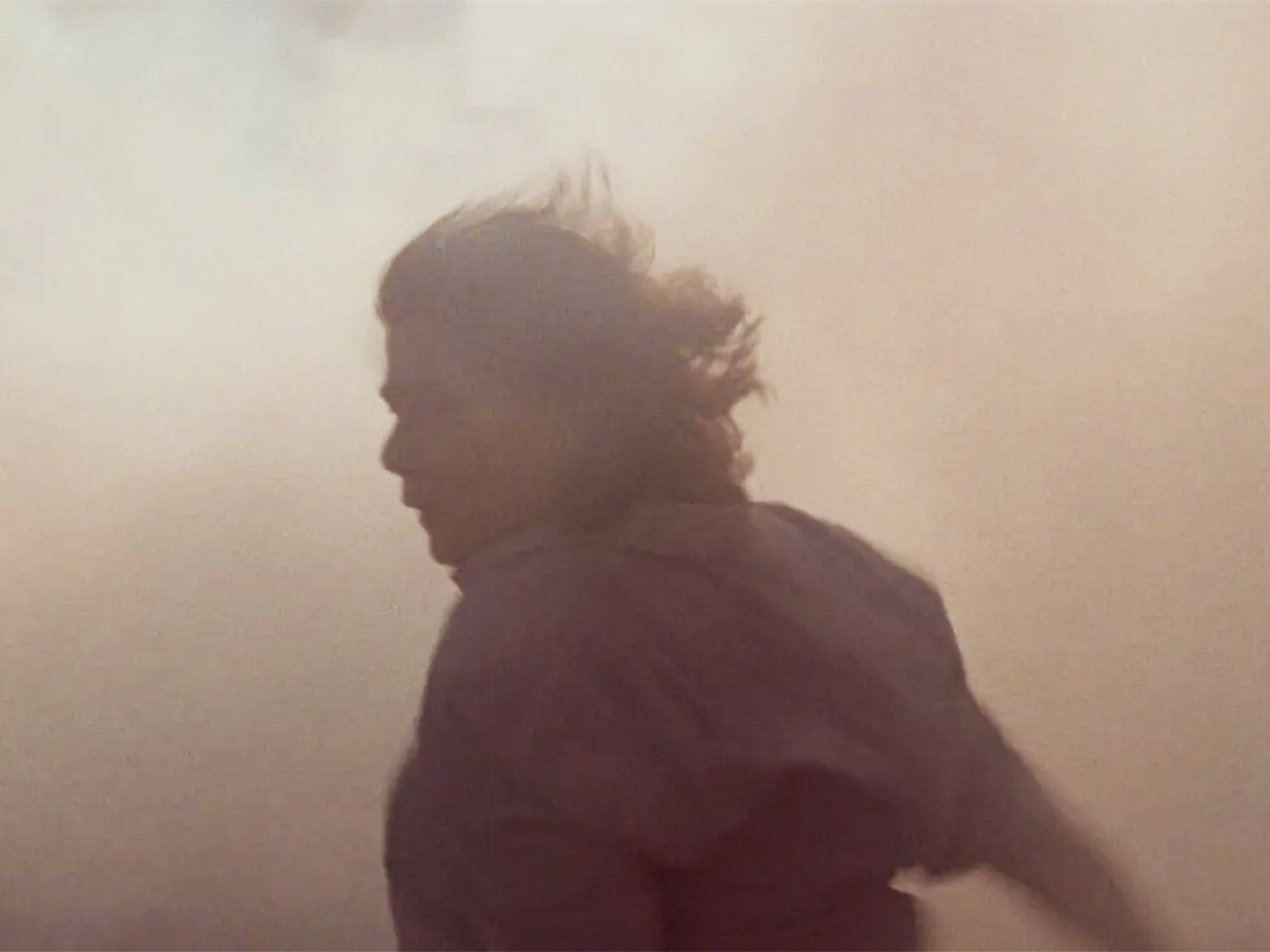
One instantly understands why filmmaker Reed Van Dyk would be drawn to Filkins’ article as source material for his first feature; it’s a compelling story and fertile narrative ground for all kinds of contemporary issues (the lack of support available to victims and veterans alike; the parallels between political hand-wrining regarding previous war crimes in the Middle East and current war crimes in the Middle East; the potential to offer a big-hearted ‘good people on both sides’ that reaches across the aisle). And certainly Atonement is a handsome film, shot by Jon Peter with a woodwind score by Zak Engel that should probably pay royalties to Nicholas Britell. But it’s the performances that are the film’s saving grace, given the American weighting of the narrative leaves a bitter taste in a story that should surely focus more on the Iraq family who lost three members than the apologetic ex-serviceman who wants closure. Hiam Abbass, Palestinian titan of cinema, plays the matriarch, here renamed Mariam, who shoulders the weight of grief for her family as if it’s another one of the household chores that fill out her day. When we meet her, she’s tending the garden and hanging out laundry in the Baghdad sun; it’s a ritual she repeats 15 years later in Glendale, California, where she and Nora (played by Iraqi actress Gheed) relocated during the war. Time doesn’t heal all wounds; it merely turns them into a dull ache that occasionally flares up again.
Boyd Holbrook stands on the other side of the divide as ex-marine Lou D’Alessandro, who’s still struggling to come to terms with his combat experiences after an “other-than-honourable” discharge for drug use which he explains was the result of inadequate post-combat medical provision. He’s handsome and polite, working his way through law school and trying to be a good partner to his psychology student girlfriend Anna, but he’s undeniably haunted by his role in Operation Iraqi Freedom and the false pretences which were used to murder thousands of Iraqi civilians. He contacts journalist Micael Reid (Kenneth Branagh giving an atypically measured and sensitive performance) after an old marine buddy shares an article he wrote about Iraq just before he dies by suicide. Lou hopes Michael might help him meet with the surviving Khachaturians, after initially reaching out to them via Facebook with a somewhat erratic video message.
Get more Little White Lies
A little effort is made to point out the selfishness of Lou’s request. He maintains he’s not looking for forgiveness; Mariam and Nora already offered it, and he knows ultimately only he can forgive himself for what he did. (And only God will judge him.) Instead it’s a human impulse to see and be seen; he says he wants to explain, but what is there to explain to a mother who lost her sons or a daughter who lost her father? This is the flaw of Atonement; two thirds of the film are focussed on Lou and Michael’s perspective, relegating Mariam and Nora to the final third. We are locked into an American, male view, as we have been for much art and popular culture that has come out in the west since the Iraq War. (Generation Kill, released in 2008 by HBO, is among the earliest and least cloying examples, and it seems Atonement’s gritty war segment might owe it some debt.)
It’s a film that encourages empathy and understanding while feeling strangely unbalanced; Mariam and Nora are little more than avatars in their own story. While Atonement is fitfully affecting and its heart is in the right place, the blinkered approach short-changes its subject, and even a beautiful final shot and a strong ensemble can’t quite offer up enough to compensate for the limited perspective.