







Block’s Cash App has quietly begun rolling out its highly anticipated stablecoin payment feature, a source familiar with the matter told CoinDesk Wednesday. According to this individual, the feature is now active for 25% of Cash App’s nearly 60 million users, with plans to scale to 100% by the end of the week.
Block did not immediately respond to a CoinDesk request for comment.
The launch marks an unprecedented ideological shift for Block’s leadership and changes how the platform handles digital fiat currency.
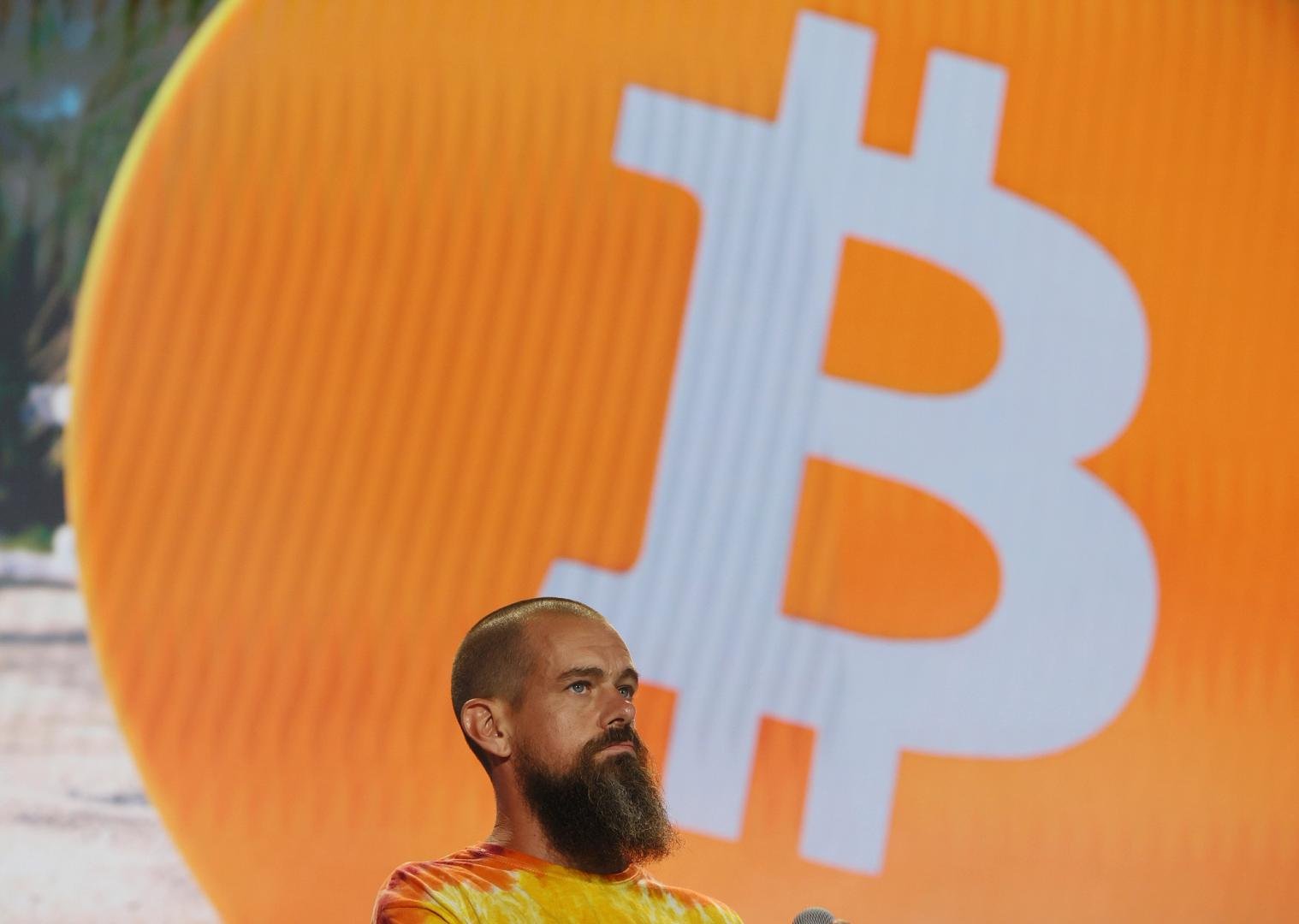
The source familiar with the matter said that integrating alternative blockchain rails indicates Block CEO Jack Dorsey, a historically staunch bitcoin maximalist, has changed his mind and now sees tangible value in these non-BTC networks.
As of this week, the total market value of stablecoins has reached a record $322 billion, surpassing the foreign exchange reserves of 95 countries, including developed economies like the United Kingdom and Canada.
The integration of a stablecoin payment method was first announced on the Cash App website late last year, saying it would be available in 2026.
Dorsey explained his shift in stance in March. The bitcoin purist announced his firm was reluctantly giving into stablecoins. “I don’t like that we’re going to support stablecoins but our customers want to use them,” he said. “I don’t think it’s wise to go from one gatekeeper to another.”
For years, Dorsey framed Block’s crypto strategy around Bitcoin alone, backing mining hardware development and integrating the asset into products such as Cash App.
The newly-released integration treats stablecoins strictly as a payment method rather than investment infrastructure, according to a statement on the Cash App website.
Users can deposit Circle’s USDC stablecoins from external accounts to fund their fiat Cash App balance or withdraw funds as stablecoins to external accounts, utilizing the blockchain entirely as a modern transaction rail.
According to official product documentation, the feature supports USDC across four networks, including Solana, Ethereum, Polygon, and Arbitrum. Because these blockchain transactions are entirely irreversible, any funds sent to incorrect addresses or unsupported networks will be permanently lost.
To use the feature, which is currently unavailable in New York and on sponsored accounts, identity-verified users face strict caps: a $2,000 daily ($5,000 weekly) sending limit and a $10,000 weekly receiving limit.