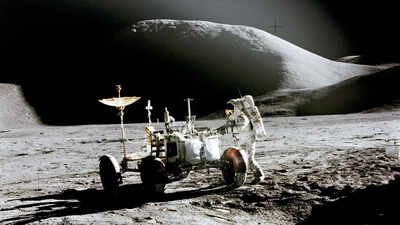








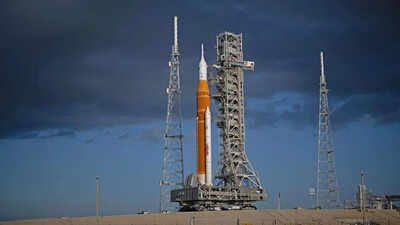
Nasa Artemis II Rocket Launch: How to watch Artemis II launch live on April 1: Full timing, streaming details, and crew information |

NASA’s Artemis II mission will allow humanity to return to the lunar frontier as we near the end of decades-long silence (since the Apollo era). Launching from Kennedy Space Centre on April 1, 2026, this historic mission will be the first crewed Luna flight in more than 50 years; it will be a long-duration (10-day)…

Read More

Nucleus Genomics CEO explains how “genetic optimization” tools help parents select traits they desire in babies

Big leaps in science have made a once-impossible, much-debated question come to life: Would you design your unborn child? Kian Sadeghi, the 25-year-old founder and CEO at Nucleus Genomics, believes every parent has a right to do just that, selecting qualities they desire – from height to weight to intelligence. He calls it “genetic optimization,”…

Read More

Fossil footprints found in Bolivia reveal dinosaurs’ awkward attempts to swim

Legend once had it that the huge, three-toed footprints scattered across the central highlands of Bolivia came from supernaturally strong monsters – capable of sinking their claws even into solid stone. Then scientists came here in the 1960s and dispelled children’s fears, determining that the strange footprints in fact belonged to gigantic, two-legged dinosaurs that…

Read More

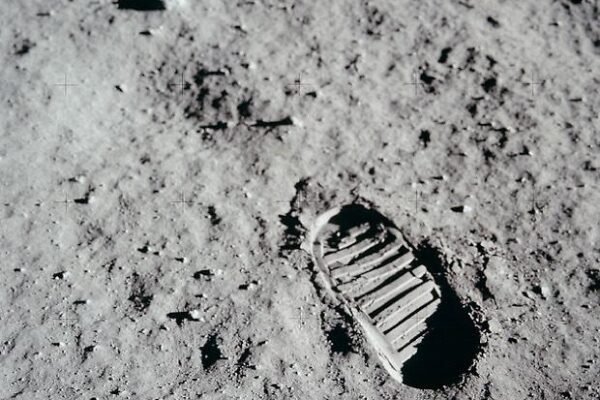
Scientists may have found a way to ‘listen’ to the Moon using invisible laser fibre-optic cables for future Artemis missions |

Moonquake sensing could move into a new phase as fibre-optic technology is adapted for use on the lunar surface. The Moon, often perceived as still and unchanging, continues to experience internal vibrations caused by tidal interactions with Earth, meteorite impacts, and temperature extremes. Since the time of the Apollo missions, instruments have detected thousands of…

Read More

Electricity from sweat: Scientists develop sweat sensors and their future in personal health monitoring looks bright |

Imagine a world where your fitness tracker or smart watch never needs to be recharged, not because it has a battery that never dies, but simply because your body provides the power it needs to function. In a breakthrough scientific achievement, a group of Japanese scientists have created a wearable device that uses the electricity…

Read More