






Los Angeles — The Colorado River is in crisis, with a growing population taking more water from it as a hotter climate is drying up the supply.
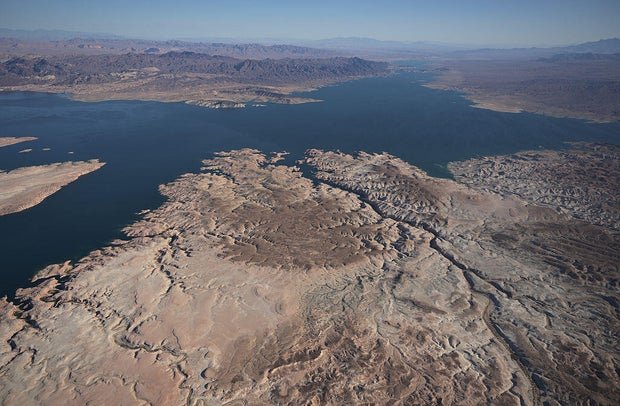
The snowpack in the Rockies that feeds the river fell to record lows this winter, pushing major reservoirs downstream — like Lake Mead and Lake Powell — toward critically low levels.
Approximately 40 million people across the West depend on the Colorado River for water daily, with many taking it for granted. But the region could soon face drastic measures as the river keeps shrinking.
“The causes of those declining reservoir levels are multiple,” said Sarah Porter, director of the Kyl Center for Water Policy at Arizona State University. “It’s not one thing, but certainly this year we didn’t get any help from Mother Nature.”
Federal officials recently began releasing billions of gallons of water into Lake Powell, a reservoir in Utah and Arizona, to prevent disruptions in hydropower.
At the same time, Arizona, California and Nevada are scrambling to conserve water, unveiling an emergency proposal that would pay some users to consume less.
But without a broader agreement among the states the river flows through, each fighting for more of the share, experts warn mandatory water cuts could deepen. That would threaten farming, hydropower and the water supply millions of people rely on in cities from Phoenix to Los Angeles.
RJ Sangosti/MediaNews Group/The Denver Post via Getty Images 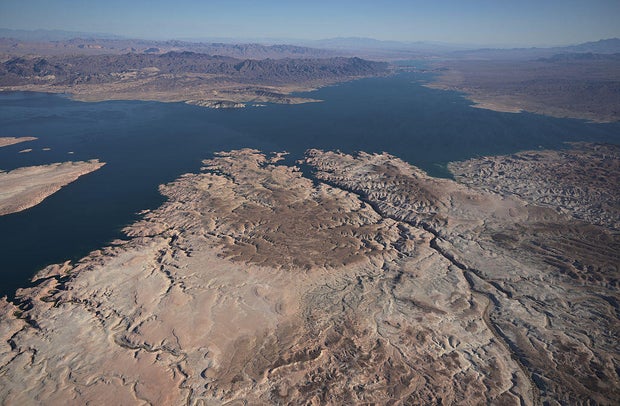
And with key federal operating rules set to expire later this year, the U.S. Bureau of Reclamation — which constructs and manages dams, power plants and canals across 17 Western states — is expected to decide this summer how future cuts will be divided among states.
Experts warn that without major long-term changes in water use, the Colorado River could become catastrophically overdrawn.
There has been some unexpected relief, however. An unusual May storm brought several feet of snow to the Rockies last week. It will help for now, but experts say it is not enough to end the threat millions of people now face.