


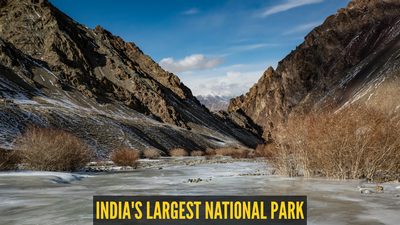
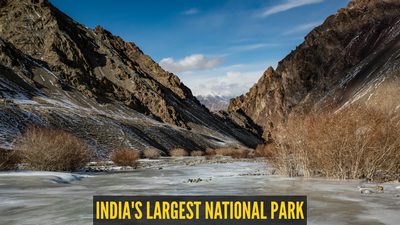
Ladakh usually gets all the praise for its dramatic, sweeping mountains, striking turquoise lakes, and historic monasteries. Yet, tucked away within this harsh terrain is one of India’s absolute finest natural gems: Hemis National Park. Sprawled right across the Trans-Himalayan expanse of Ladakh, this massive protected zone isn’t just the biggest national park in India, it’s widely considered one of the top spots globally to catch a glimpse of the famously elusive snow leopard.If you also want to experience the raw beauty of nature this is the perfect place for you to visit once in your lifetime.
Where is Hemis National Park?
You’ll find Hemis National Park tucked into eastern Ladakh, sitting just south of the Indus River and roughly 45 km from the region’s capital, Leh. It was set up back in 1981 and now spans a colossal 4,400 sq km, claiming the title of India’s largest national park.The reserve sprawls across parts of the Zanskar Range, capturing some of Ladakh’s most celebrated valleys like Rumbak, Markha, and Sumdah. Because it’s so incredibly remote and the terrain is so unforgiving, the area has managed to hold onto a highly unique ecosystem. This environment supports some of the most unusual and rare wildlife you’ll find anywhere in the Himalayas.
How to Reach Hemis National Park
By far, the most straightforward way to get into Hemis is by using Leh as your base.By Air: Your best bet is to fly into Kushok Bakula Rimpochee Airport in Leh. It has excellent connections to Delhi, Srinagar, Chandigarh, and Jammu. If you’re coming from Delhi, the flight will only set you back about an hour and a half.By Road: If you fancy a road trip, you can drive up to Leh via the remarkably scenic Srinagar-Leh or Manali-Leh highways, though bear in mind these routes are only open during the summer months.Once you’re actually in Leh, the park’s various trailheads and entry points are easily sorted with a local taxi or public transport. The iconic Hemis Monastery acts as a brilliant gateway into the park and is only about an hour’s drive from Leh.
Ladakh in June and July
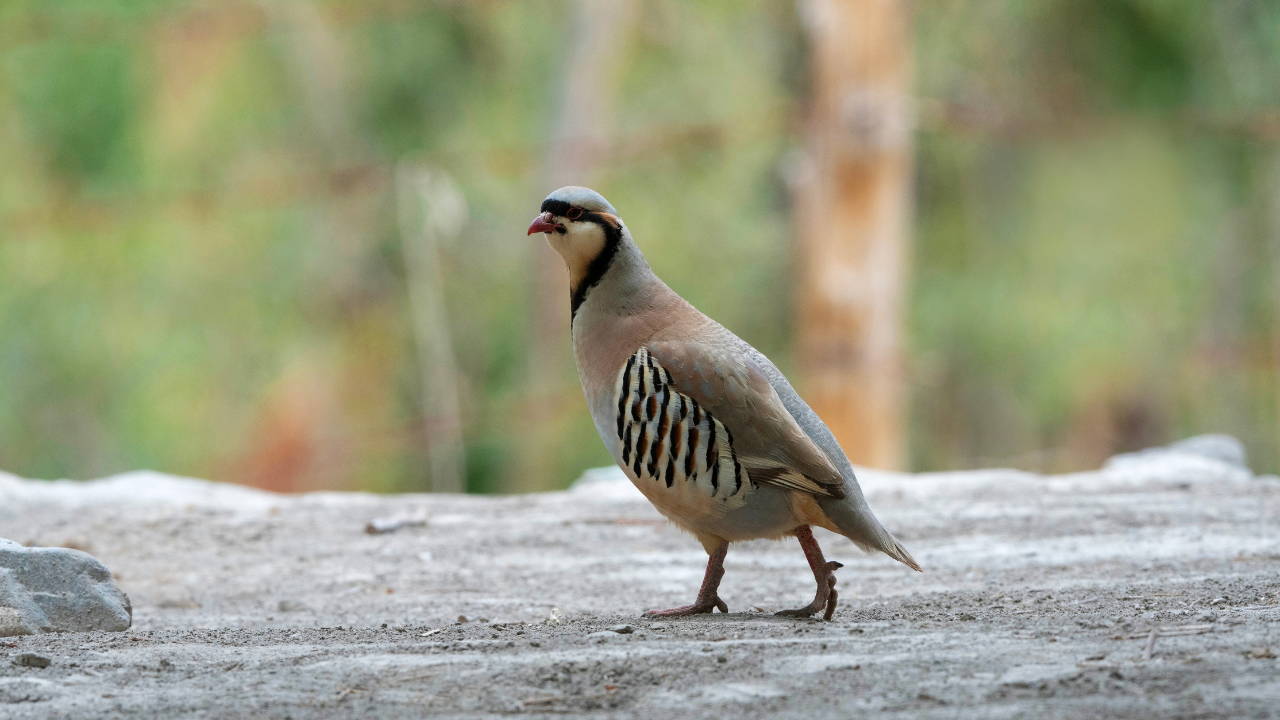
Image Credit: Canva
If you’re planning a trip, June and July are easily the prime months to experience Hemis. After a long, brutally cold winter, the whole region genuinely comes back to life. You get lovely weather, the roads finally clear up, and the animals are out and about.During June, daytime temperatures usually hover comfortably between 15°C and 25°C, though you’ll still feel a nip in the air at night. When July rolls around, the daytime heat can push up to between 25°C and 30°C, marking the warmest stretch of the Ladakhi year.You can generally count on clear skies, which is brilliant for trekking, snapping photos, and general sightseeing. All the high mountain passes and trekking paths are wide open, and the alpine meadows even start showing off bright patches of colourful wildflowers, fed by the melting snow.
What Makes Hemis National Park Special?
The real magic of Hemis is its setting right in the middle of a Trans-Himalayan cold desert. Forget the thick, green forests you might picture when you think of typical Indian wildlife reserves; Hemis is entirely different. It’s a landscape defined by stark, barren mountains, plunging gorges, sheer rocky cliffs, and high-altitude swathes of grassland.Because it sits entirely to the north of the Great Himalayan Range, falling neatly into the Palearctic ecological zone, its biodiversity and scenery are completely distinct. The altitude here is staggering, kicking off at roughly 3,000 metres down in the valleys and soaring up to peaks that break the 6,000-metre mark.
A Paradise for Wildlife Lovers
If Hemis is famous for one thing, it’s being a premier sanctuary for the snow leopard. People often call this big cat the “Ghost of the Mountains,” and it absolutely flourishes in the park’s steep, rocky landscape.Experts say the park holds one of the highest densities of snow leopards anywhere on the planet. Naturally, this makes it the ultimate bucket-list trip for serious wildlife fans and photographers. That said, the snow leopard is far from the only draw. The area is packed with other incredible mammals, including:Himalayan Blue Sheep (Bharal), Asiatic Ibex, Ladakhi Urial (Shapu), Tibetan Wolf, Eurasian Lynx, Red Fox, Himalayan Marmot, and Woolly Hare. Keen birdwatchers are in for a treat, too. You can get a sight of species like the Golden Eagle, Himalayan Griffon Vulture, Lammergeier (Bearded Vulture), Tibetan Snowcock, and the Chukar Partridge.
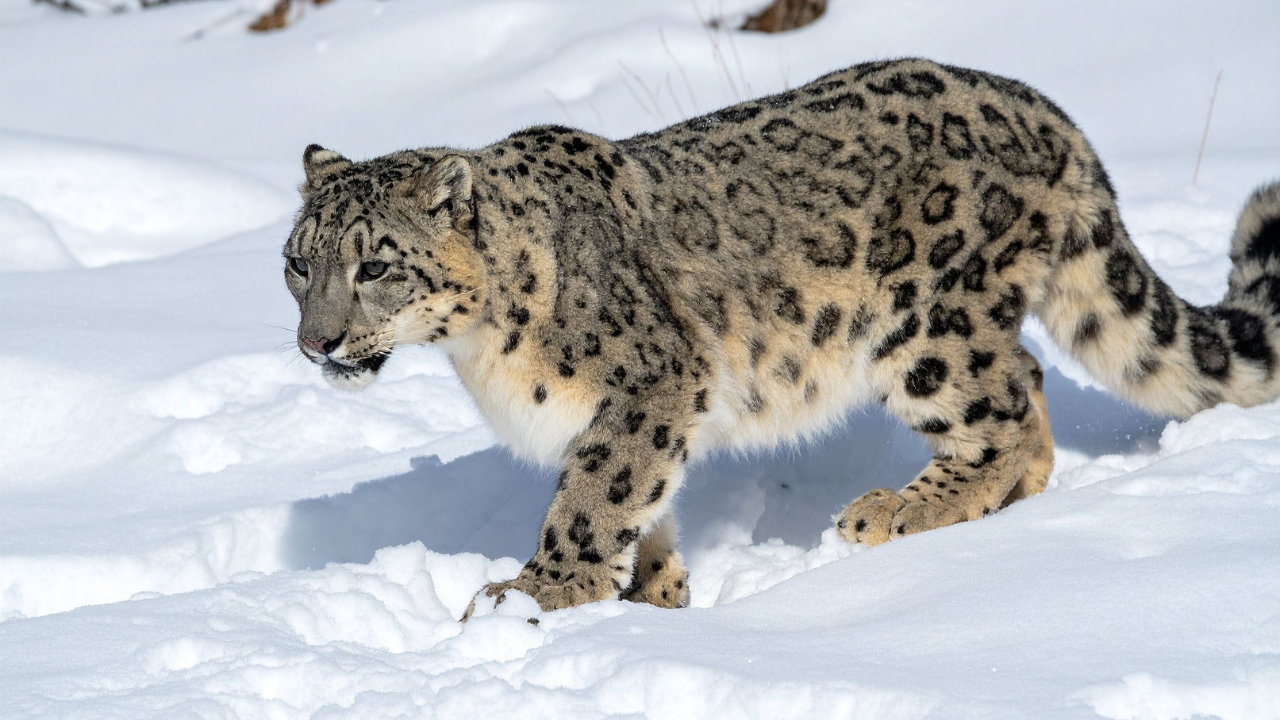
Image Credit: Canva
Unique Flora of the Cold Desert
You might think a freezing desert wouldn’t grow much, but Hemis actually boasts a surprisingly varied collection of plant life. To survive the freezing, dry winters and the general lack of rain, various alpine shrubs, hardy mountain plants, and medicinal herbs have adapted brilliantly.The area is highly valued for a number of rare medicinal plants that have been used in traditional Tibetan medicine for centuries. When summer finally hits, you’ll see lovely pockets of greenery springing up alongside the streams and riverbanks, creating a brilliant splash of colour against the otherwise stark, barren rock faces.
Trekking Through the Heart of the Himalayas
When it comes to walking holidays, Hemis is easily one of India’s top-tier trekking spots. The trails weave through completely isolated villages, stunning river valleys, and towering mountain passes, serving up some of the most genuinely spectacular trekking you can do in the Himalayas.Markha Valley Trek: This is undoubtedly the crowd favourite. It usually takes four to five days, guiding trekkers past unbelievably picturesque villages, over rushing river crossings, and into high-altitude campsites. The views of Kang Yatse peak and the sprawling mountain ranges along the way are nothing short of spectacular.Rumbak Valley Trek: If you’re mainly here for the wildlife, Rumbak is the one to pick. It’s a brilliant corridor for spotting blue sheep, watching golden eagles soar, and if you’re incredibly lucky, catching a glimpse of a snow leopard.Spituk to Stok Trek: For something a bit shorter, this route links up age-old monasteries, rugged passes, and traditional Ladakhi settlements. It also delivers sweeping, panoramic views out over the Indus Valley and the distant Karakoram Range.A brilliant bonus is that many of these trails rely on community-run homestays. It’s a fantastic setup that lets you bunk with local families and experience authentic Ladakhi culture first-hand.
Things to Know Before You Go
Because the altitude in Ladakh is no joke, it’s vital to spend at least two days taking it easy and acclimatising in Leh before you tackle any hikes or heavy physical activity.Make sure to pack plenty of warm layers, even in the middle of summer. As soon as the sun drops, the temperature plummets right alongside it. A sturdy pair of walking boots, reliable sun protection, and a good water bottle to stay hydrated are absolutely essential. Finally, remember that certain pockets of Ladakh require specific permits.


