









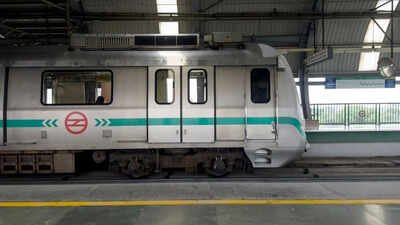
The city of Jaipur, which is also called the Pink City, is experiencing fast urbanisation and the need for effective transportation services owing to the traffic jams that have emerged. In a bid to solve these problems, the Government of India has approved the Jaipur Metro Phase 2, which is a move towards modernisation of infrastructure of the city.
Route and key features of Jaipur Metro Phase 2
Jaipur Metro Phase 2 is a proposed plan for a North-South corridor from Prahladpura (south end) to Todi Mod (north end). Its total length is about 41 kilometres, and it will be a significant development in Jaipur’s existing metro system.The proposed plan will have 36 metro stations, mostly elevated with a few critical stations being underground. These stations will be mostly built around high-density areas such as airports.Some of the key regions that this metro will pass through are:
- Various industrial zones like Sitapura and Vishwakarma Industrial Area
- Institutional/medical facilities, namely SMS Hospital
- High residential zones such as Vidhyadhar Nagar
- Infrastructure facilities, including Jaipur International Airport
There are plans for integration with the existing Phase 1 corridor via interchange stations. Construction of this metro corridor is targeted to complete before September 2031 with several phase constructions.
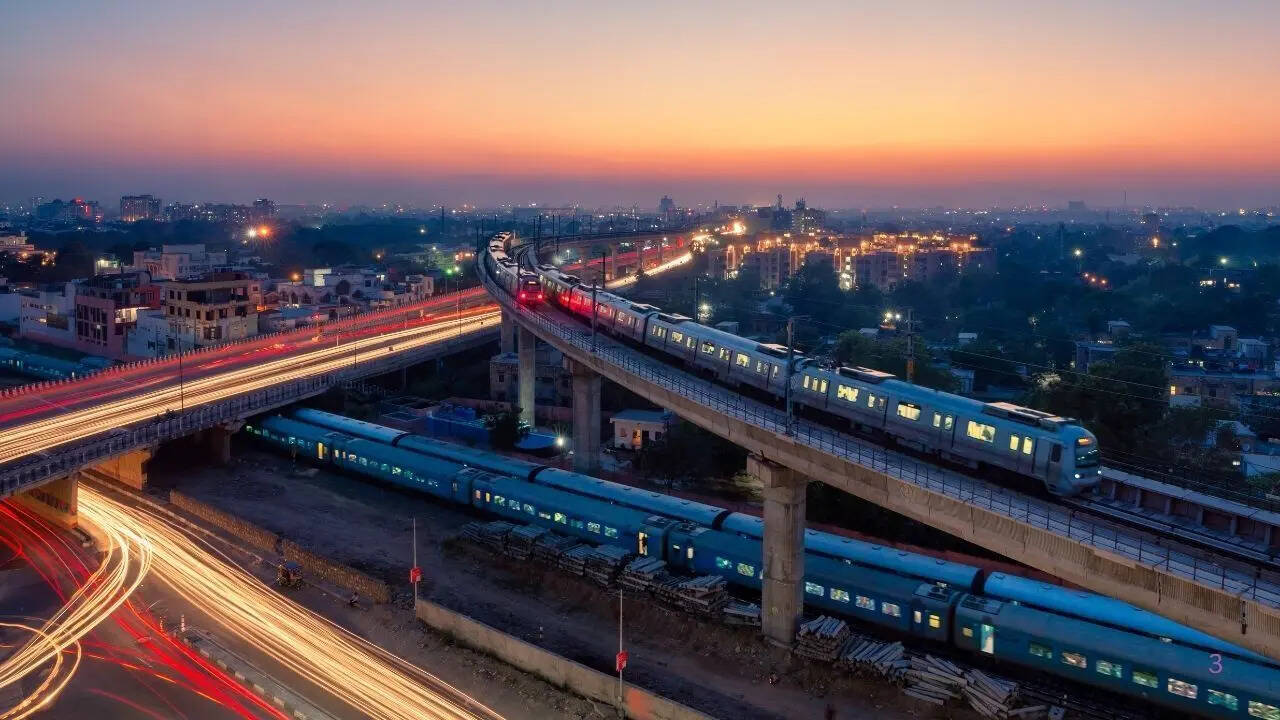
Image Credit: Canva
Cost and implementation
The Jaipur Metro Phase 2 project involves a significant investment of approximately ₹13,038 crore, making it one of the largest infrastructure projects in Rajasthan. The project will be implemented by the Rajasthan Metro Rail Corporation Limited (RMRCL), which is a joint venture between the central and state governments.This structured funding approach ensures financial feasibility while enabling the adoption of modern metro technologies and infrastructure.
Boost to connectivity and urban mobility
One primary objective of Jaipur Metro Phase 2 is to significantly improve city-wide connectivity. The current metro network mainly serves the east–west corridor, but Phase 2 will introduce a strong north–south link, connecting previously underserved areas.This expansion is expected to:
- Minimise travel time for major city routes
- Minimise traffic jams in heavily congested areas like Tonk road
- Promote the use of public transport over private cars
- Improve the mobility towards work places and learning institutions
Establishing metro connectivity between different industrial, business and residential centers will be highly instrumental in economic activity and efficiency.Moreover, this metro construction aligns with India’s objective of achieving sustainability within its cities, as metros minimise carbon emissions.
Real estate and property market impact
The impact of Jaipur Metro Phase 2 on the real estate sector is expected to be substantial. Historically, metro connectivity has led to increased property demand and price appreciation in cities like Delhi, Bengaluru, and Mumbai, and Jaipur is likely to follow a similar trend.Rise in property prices: There will be a consistent increase in the value of properties close to the metro railway station because of easy accessibility and convenience.Growth of new investment hotspots: Areas like Sitapura, Jagatpura and Vidhyadhar Nagar have the potential to become new zones for residential and commercial investments.Demand for rental properties: People working in offices or colleges will find it convenient to live near metro stations, thus increasing the demand for rented flats near the corridors.Transit-oriented development: The project is an example of Transit-Oriented Development, where urban planning revolves around the metro railway station.Overall, the metro expansion is expected to create a ripple effect, driving infrastructure growth and enhancing the city’s real estate ecosystem.The Jaipur Metro Phase 2 project is not only about a metro transport system but also about a transformational process that will change the city’s face, featuring a 41 km long corridor, 36 metro stations, and at a total project cost of ₹13,037.66 crore, as per PM INDIA. Besides improving connectivity and mobility, it will also boost the city’s economy while lowering its carbon footprint. Real estate development projects will also gain momentum due to the implementation of such a project in the city.