







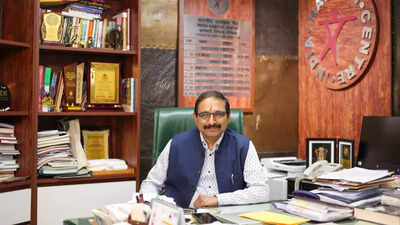
As the Habitat Film Festival 2026 brings together restored classics, regional cinema, and contemporary independent films from across India, KG Suresh reflects on the festival’s growing relevance in the OTT era, the importance of preserving India’s cinematic diversity, and why collective film viewing continues to matter. In this interview, the Director of India Habitat Centre discusses HFF’s evolving cultural vision and this year’s key highlights.What do you think makes HFF continue to resonate with audiences.Habitat Film Festival continues to resonate because it offers something increasingly rare today – a space for meaningful cinematic engagement. In an age of algorithm-driven viewing and fragmented attention spans, HFF brings audiences back to the collective experience of watching stories unfold together in a theatre. The festival celebrates cinema that is rooted in lived realities, regional identities, and artistic integrity. Over the years, audiences have come to trust HFF for its carefully curated programming that goes beyond trends and gives visibility to voices from across India’s diverse cultural landscape. Whether it is a restored classic or a bold independent debut, every film at HFF invites reflection, conversation, and emotional connection.
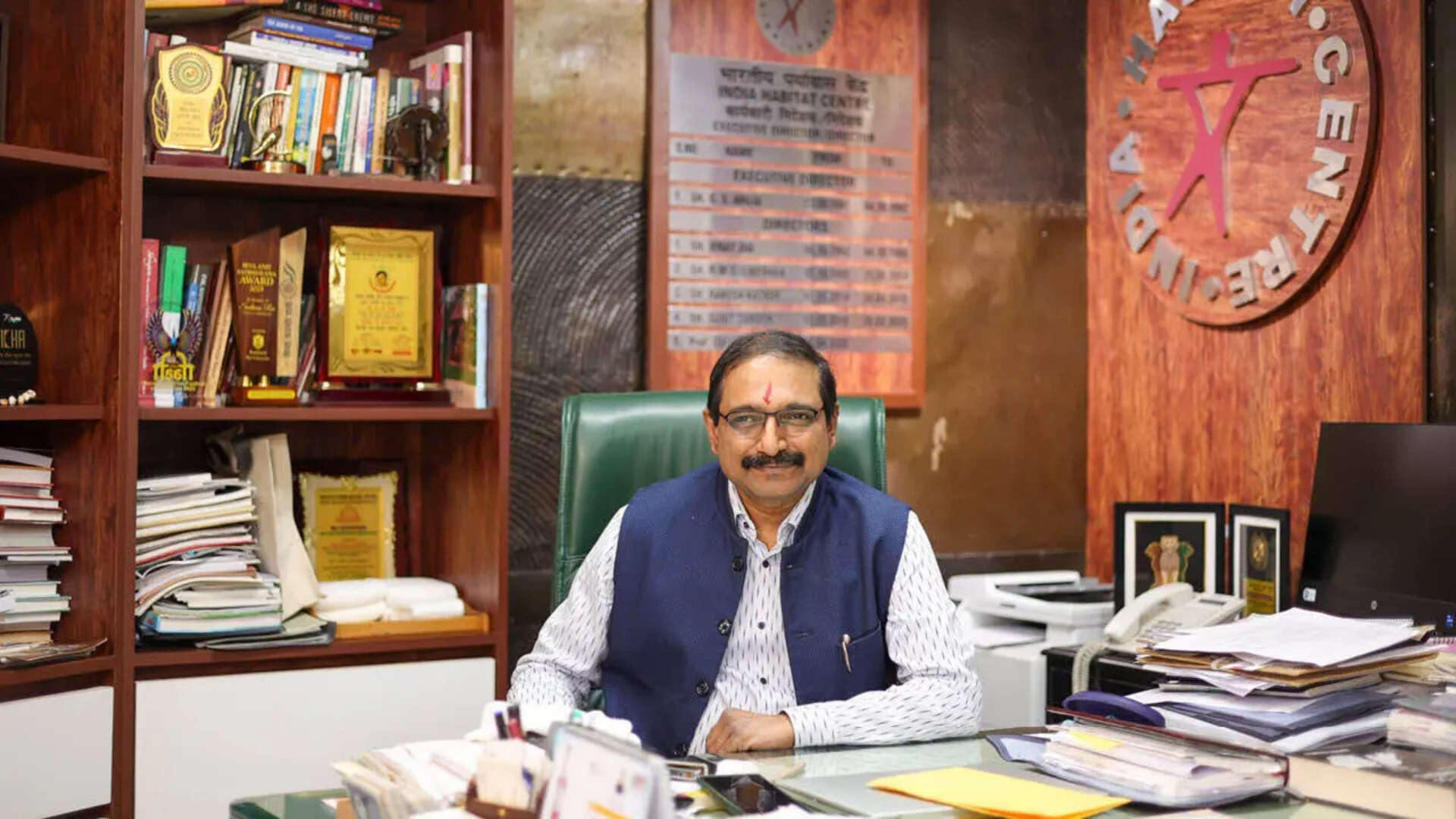
KG Suresh
This year’s edition has restored classics like Umrao Jaan and Chupke Chupke with contemporary independent voices. Was this juxtaposition intentional to create a dialogue between nostalgia and new-age storytelling?Absolutely. The idea was very much to create a conversation across generations of cinema. Restored classics like Umrao Jaan and Chupke Chupke are not merely nostalgic experiences; they remind us of the richness of Indian storytelling traditions, music, performance, and cinematic craft. At the same time, contemporary films such as Moham, Tighee, The Elysian Field, Vanya, and Maliput Melodies represent a fearless new wave of storytellers engaging with changing social realities and personal narratives. By placing these films alongside one another, HFF creates a cinematic bridge where audiences can see both continuity and evolution in Indian cinema. Ritwik Ghatak’s retrospective is one of the major highlights of the festival. Why do you think his cinema remains so emotionally and politically relevant even today, especially for younger viewers?Ritwik Ghatak’s cinema remains profoundly relevant because his films speak to displacement, identity, memory, alienation, and the human cost of social upheaval — themes that continue to resonate deeply even today. Films like Meghe Dhaka Tara, Komal Gandhar, Subarnarekha, and Jukti Takko Aar Gappo are not just historical works; they are emotionally urgent reflections on fractured societies and personal resilience. Younger viewers today are increasingly drawn to cinema that is emotionally honest and politically aware, and Ghatak’s work offers exactly that. His poetic visual language and deeply human storytelling continue to inspire filmmakers and audiences alike.HFF 2026 showcases films across 20 languages and regions. How important is a festival like this in preserving linguistic and cultural diversity within Indian cinema?India’s greatest cinematic strength lies in its linguistic and cultural diversity, and festivals like HFF play a crucial role in preserving and celebrating that plurality. This year’s festival brings together stories from Malayalam, Marathi, Tamil, Khasi, Karbi, Bhojpuri, Manipuri, Assamese, Odia, Kannada, Bengali, and several other languages. These films carry with them unique cultural memories, oral traditions, local histories, and social concerns that may not always find space in mainstream distribution networks. HFF provides these stories a national platform and encourages audiences to engage with cultures beyond their immediate surroundings. In many ways, the festival becomes a meeting point for India’s many cinematic identities.Independent cinema today is finding newer audiences digitally, yet theatrical community viewing remains irreplaceable. How does HFF attempt to recreate that collective cinematic experience?Digital platforms have certainly expanded access to independent cinema, which is extremely valuable. However, there is something irreplaceable about watching a film collectively — sharing silence, laughter, discomfort, and emotion with a room full of strangers. HFF recreates that experience by curating screenings that encourage dialogue and interaction. Many screenings are followed by conversations with filmmakers, actors, critics, and scholars, allowing audiences to engage more deeply with the work. One could see this response during screenings like Moham, Gondhal and Sabar Bonda, where audiences remained back long after the credits rolled, discussing themes, performances, and personal interpretations. That sense of community is central to the festival experience.Along with screenings, the festival also includes conversations, masterclasses, exhibitions, and filmmaker interactions. Was the idea to position HFF not merely as a film festival but as a larger cultural movement?Very much so. HFF has always envisioned cinema as part of a larger cultural ecosystem rather than as an isolated medium. This year’s programme includes filmmaker interactions, conversations on animation storytelling with Dhvani Desai and Murtaza Ali Khan, a masterclass by Kamakhya Narayan Singh, documentary showcases, book discussions, and an exhibition of iconic Hindi film posters and archival material in collaboration with IGNCA. The intention is to create an immersive cultural environment where cinema intersects with history, literature, music, visual culture, and public discourse. More than a festival, HFF becomes a living space for ideas, artistic exchange, and collective reflection.Many of the films this year deal with deeply personal, political, and socially rooted narratives. Do you feel Indian audiences today are becoming more open to layered and introspective storytelling?Yes, very much. Audiences today are far more curious and receptive to nuanced storytelling than they are often given credit for. There is a growing appetite for films that move beyond formula and engage honestly with questions of identity, memory, gender, ecology, displacement, and social change. Films such as White Snow, Adamya, Koumudi, Theatre: The Myth of Reality, and Whispers of the Mountains reflect this shift toward layered, introspective narratives rooted in specific social realities. What is encouraging is that audiences are not only watching these films but actively engaging with them through discussions and critical conversations.
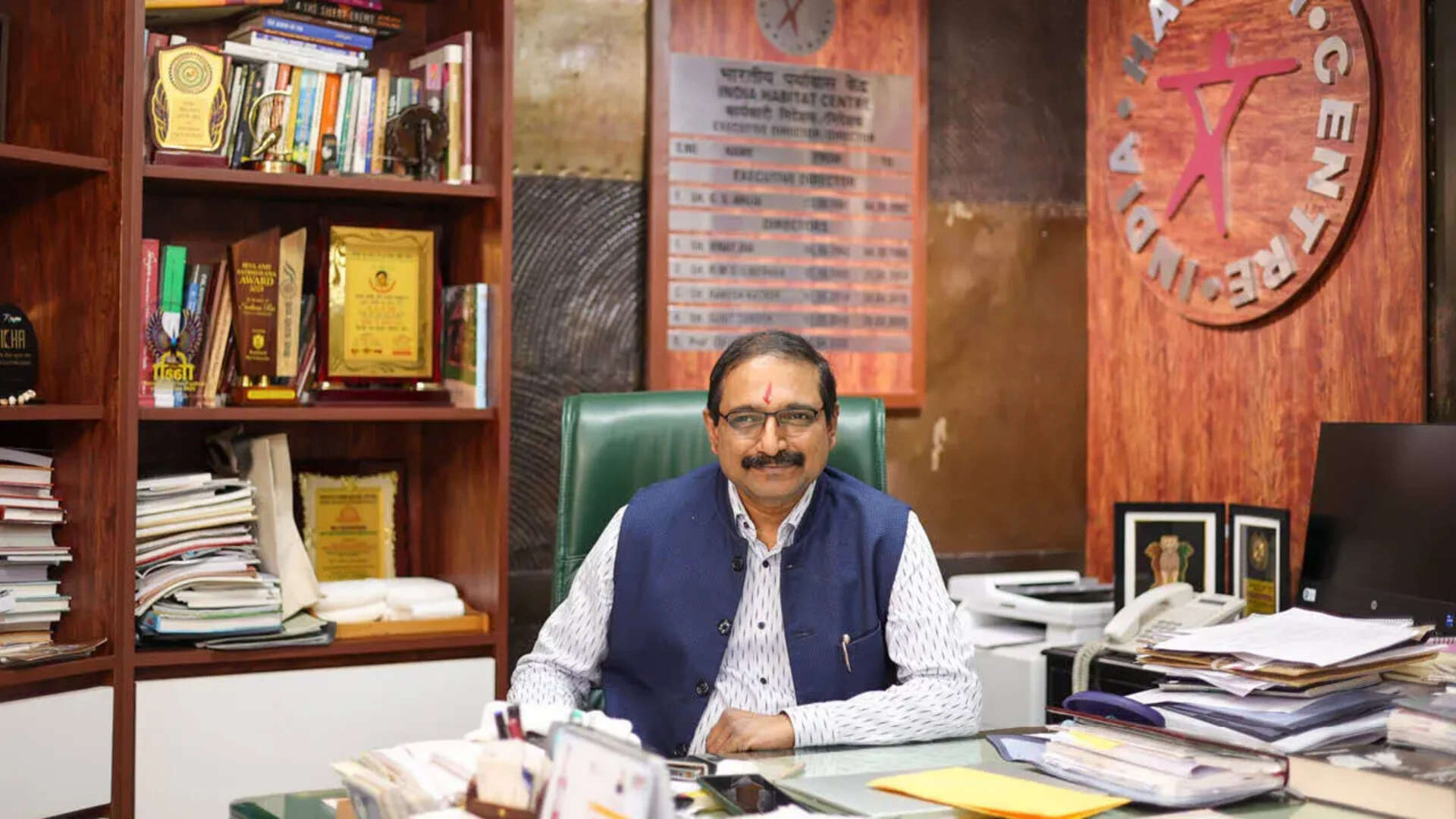
KG Suresh