


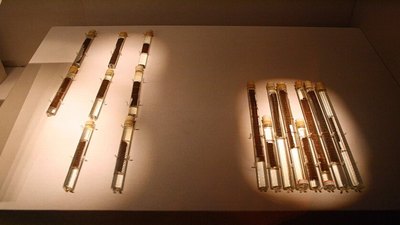
Archaeologists excavated a Han-period tomb that had a major impact on scholarship. In the tomb, archaeologists discovered an incredible collection of bamboo slips. Fragile bamboo and silk survived for centuries because the tomb provided unusually stable conditions. Texts excavated from tombs often preserve older works that were omitted from later editions. This is why Han-period manuscripts continue to change how scholars understand early Chinese writing, technology, and military education. This excavation recovered texts long thought lost. When archaeologists excavate a well-preserved tomb, texts once thought lost can survive as physical evidence.
How tombs preserve books
Han-era tombs are notable for preserving silk and bamboo manuscripts. Ordinary storage exposed manuscripts to decay, unlike sealed tombs. According to a study indexed in PubMed, these finds include previously unseen works such as medical classics. The research suggests the discovery could prompt scholars to rethink the history of early literary works.The same principle applies to texts for military use. If even one copy was buried and sealed, a text could survive for centuries after it had been forgotten. Bamboo slips were fragile in everyday use. Moisture, fire, or continuous handling can easily ruin the bamboo slips. But inside a sealed tomb, they survived enough for scholars of the present to be able to read. This is why the archaeological context is as important as the text itself.
Text transmission and loss
Excavated bamboo slips are vital because they preserve texts that later copyists did not transmit. Through time, books from the past were altered, cut down, renamed, or completely disappeared. That means the books we have today may differ from the versions buried with the dead.For historians of military thought, this is crucial. A brief tactical guide or strategy treatise could survive only in tombs, whereas the later canon preserves an incomplete or different version. These documents do more than fill in gaps in the historical record. They show how Chinese texts changed, circulated, and disappeared over time.For historians, the most significant change is in how they study the past. Tomb manuscripts demonstrate that writing tradition is only one aspect of the story. According to another PubMed-indexed study, these documents can change how the history of ancient Chinese writing is understood. When a lost text is recovered, historians must determine whether it is an original, a local copy, or a working handbook.Military classics occupy a special place in this story. They were practical books used for specific wartime situations. Because they were used in everyday life, people were less likely to treat these texts as literary treasures. They were therefore highly susceptible to disappearance. When a military text was placed in a tomb and survived, other copies were lost. The rediscovered military texts reveal how people in the Han period thought about leadership, organization, and conflict. The texts also show which ideas people considered important enough to place with the dead in burial.
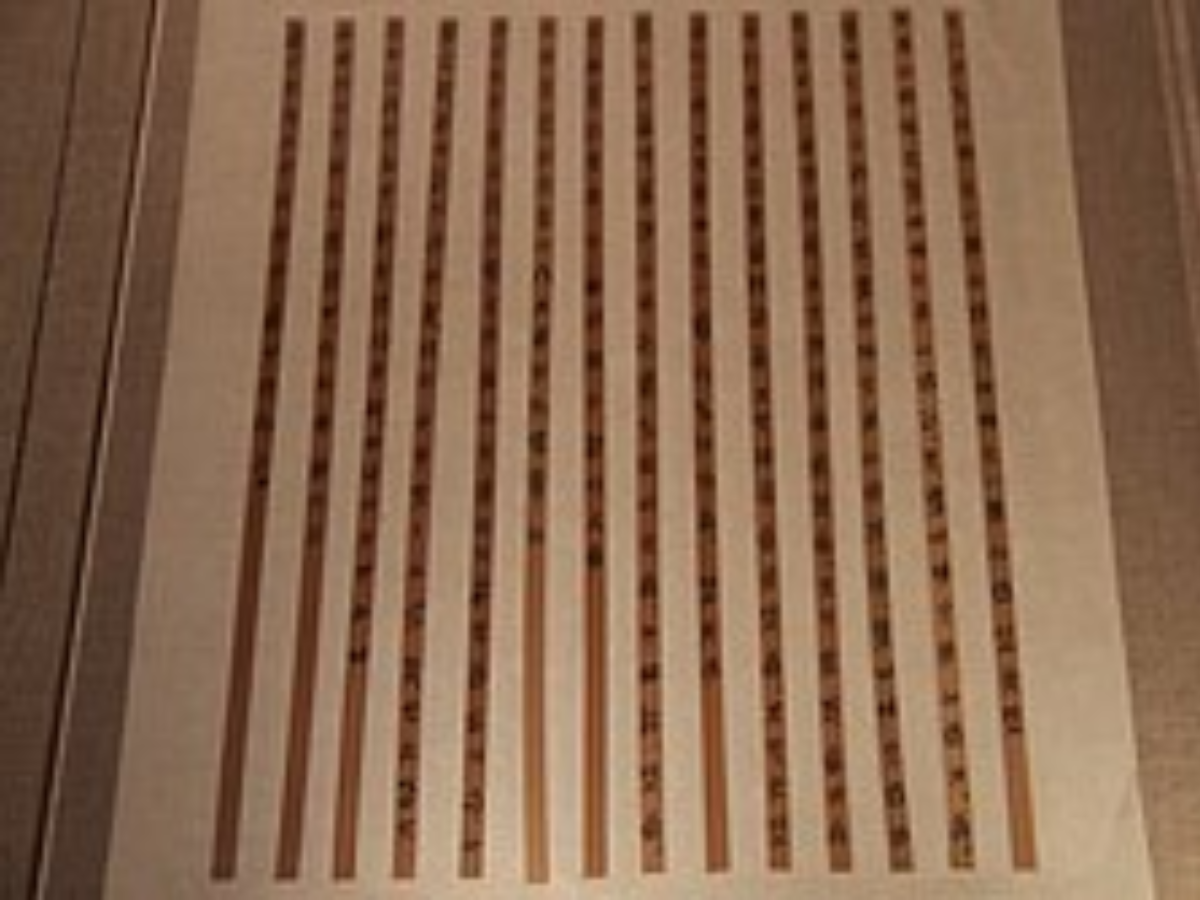
Bamboo and wooden slips are long, narrow strips of wood or bamboo, each typically holding a single column of several dozen brush-written characters. Image Credit: Wikipedia
Scholarly caution and debates
Excavations in 1972 are widely recognized for advancing Chinese archaeology. One of the most famous examples from this period is Mawangdui in Hunan.Even so, the broader pattern of archaeological work is clear. The most famous tombs are valued for preserving materials that rarely survive elsewhere. This is repetitive and abstract. These manuscripts are real physical objects found in an ancient sealed context. They significantly changed scholarship by preserving texts beyond the standard surviving record. Bamboo slips can be fragile, but in the right tomb they connect Han burial practices to modern archives.


