






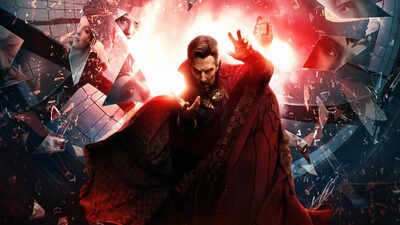
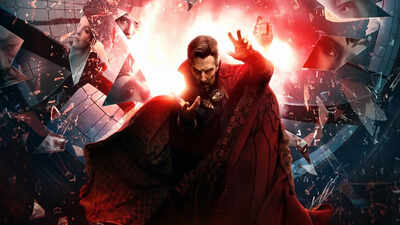
Which version of us is real? Is it the careful-curated LinkedIn bio or tales of our achievements neatly tied in pretty little bows called “posts”, or the version on X (formerly Twitter), where we let our tongues loose, retweet endlessly and “comment” with the confidence of philosophers, historians, custodians of morality all at once? Or, is it on the Instagram story we put over the weekend, with best moments from the previous week, or a reel we make on Facebook about catching up with old friends? Are all of them our authentic selves? Maybe some of it? Or, is it none of them? The mind already boggles.In comic books and movies, the ‘multiverse’ is a place where different versions of the same character live in parallel worlds. In one world, Spider-Man might be a normal teenager. In another, he might be a cartoon character or even a dinosaur. As for Dr Strange, the original one we all came to know is called the Earth-616 Strange. Then, in the Multiverse of Madness, we saw Defender Strange, in one universe, Zombie Strange in another, Sinister Strange in yet another verse, and then there was even a Dead Strange in one universe. But unlike the Sorcerer Supreme, we do not have a Third Eye, or time travel, or astrally project ourselves by removing our consciousness from our physical body. We don’t even have the cool sling ring or the cloak of levitation. Damn!Yet, today, we are living this science-fiction story in real life. Instead of having one steady identity, we have split ourselves into different digital “variants”. The digital split—from the polished, perfect worker on LinkedIn to the wild or anonymous voice on Reddit—is causing havoc in our lives. Because we are playing so many different characters online, we have lost track of who we actually are. The gap between our real life and our social media self has become a giant canyon. And it is changing our society in scary ways.
Liquid reality
In the past, who we were was mostly decided by our immediate surroundings – our local community, family, and our jobs. Today, our identity is “liquid”. Sociologist Zygmunt Bauman had talked of this in his phenomenal book, Liquid Modernity, in 2000. Social media was not even prevalent when he wrote this book. Like all brilliant philosophers do, this Polish-British philosopher could see the future far ahead. He said that society has moved from a “solid,” stable, and predictable phase to a “liquid,” highly fluid, and constantly changing era. In this phase, all social structures, traditions, and relationships dissolve before they have time to solidify. And in such societies, we are forced to navigate constant uncertainty, weakened institutions, and a relentless pressure to be flexible and self-reliant. The good part is this society does provide unprecedented personal freedom. But it also creates such profound social anxiety and isolation that the human mind is bound to disintegrate.
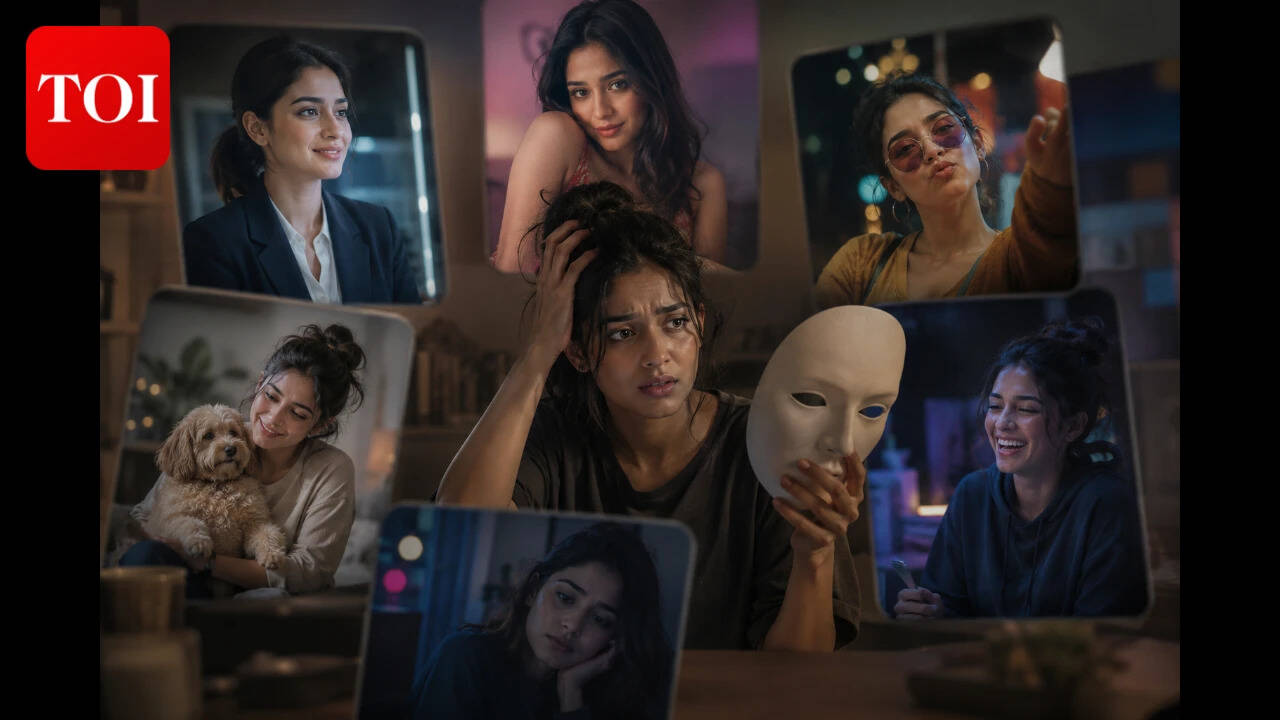
We now live in a world where we have to constantly update, and sell ourselves online. We have to treat ourselves like a brand.
Cut to 2026. We now live in a world where we have to constantly change, update, and sell ourselves online. We have to treat ourselves like a brand. This has created a massive gap between two versions of us : The Real Self: The messy, quiet, and imperfect person sitting on the couch in sweatpants. The Social Media Self: The highly edited, successful, and beautiful avatar that performs for other people’s approval.In a recent study, people admitted that they feel like they are living double lives. One person said it feels like they are living in two versions of themselves, the online version which is a more social and almost a more perfect version of them. Think about how much energy it takes to keep these lives separate. When we spend our whole day jumping between these different worlds, our brain gets exhausted. Therapists are seeing more and more people who suffer from identity diffusion. This is a way of saying they genuinely do not know which version of themselves is the real one anymore.Take the story of Carlos, a 34-year-old marketing professional. He kept his professional self on LinkedIn, his political opinions on X, his beautiful photos on Instagram, and a completely different personality in gaming communities. Eventually, he had to go to therapy because he felt fake all the time and could no longer find the real him.
The Hyde effect
The socio-cultural fallout is what this is doing to us. Living with a split identity is not just bad for individuals. It is changing how we behave as a society. Here is the fallout we are seeing today.First comes cruelty and the Mr Hyde effect. In the classic story of Dr Jekyll and Mr Hyde, a good doctor drinks a potion to split his personality, letting out a wild, cruel monster who feels no guilt. The internet is our modern-day potion. Because we can hide behind fake names, screen names, or avatars, people feel safe to split off their moral selves. This unleashes the internet troll. People say incredibly mean, hateful things online because they do not have to look their victims in the eye. This anonymous cruelty is becoming a normal part of our culture, making the digital world a highly toxic place.Second comes shallow connections and deep loneliness. We have hundreds of friends and followers online, but we are lonelier than ever. This is because we are building networks instead of real communities. Real relationships require effort, disagreement, and compromise. On social media, we only show our perfect highlights. When we look at everyone else’s “perfect lives” (it isn’t perfect but it seems so), we engage in upward comparison. We compare our messy insides to everyone else’s polished outsides, leaving us feeling empty, anxious, and deeply isolated.
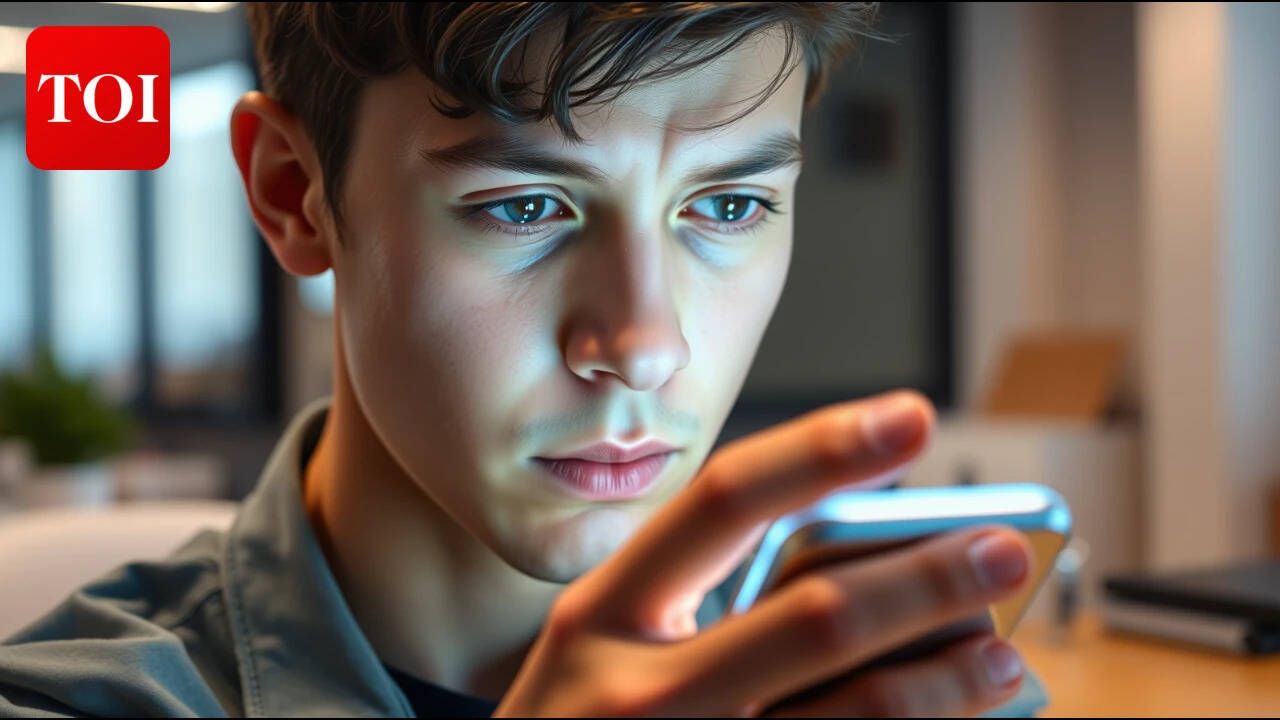
Context Collapse is when social media flattens all audiences into one single space. We lose perspective.
Collapse of context
Third comes context collapse and the fear of real life. In the real world, we naturally keep our social circles separate. We do not act the same way around our boss as we do around our college friends. But social media flattens all of these audiences into one single space. This is called context collapse. When our different worlds collide, like a family member commenting on a professional LinkedIn post, or a boss finding an anonymous post, it causes intense panic. This fear has become so bad that it is ruining offline lives. Some people have actually turned down career opportunities, stopped going to social events, or ended relationships just to prevent their different online worlds from meeting in person.A clear example of this is the bean soup incident on TikTok. A woman posted a simple recipe for vegan bean soup for women with low iron. Suddenly, strangers flooded her comments, getting angry that they did not like beans, or were not vegan, or were not women! This is called the “what about me” effect. Because of context collapse, people see public posts and think how does this apply to me, even when the post was never meant for them.Fourth comes the “everything bagel” nihilism. The movie Everything Everywhere All at Once is a perfect metaphor for the internet age. The villain, Jobu Tupaki, is forced to experience every single parallel universe at the exact same time. She lives everywhere and nowhere, which makes her feel like nothing matters. She builds an everything bagel, a black hole that has everything on it, but is empty in the middle. This is what endless scrolling does to our culture. We are exposed to too much news, too much drama, and too many lives all at once. We suffer from brain rot and cognitive overload. When we see everything all at once, we lose our sense of what is actually true or important, leading to a deep, dark feeling that nothing really matters. We have reached peak apathy state.
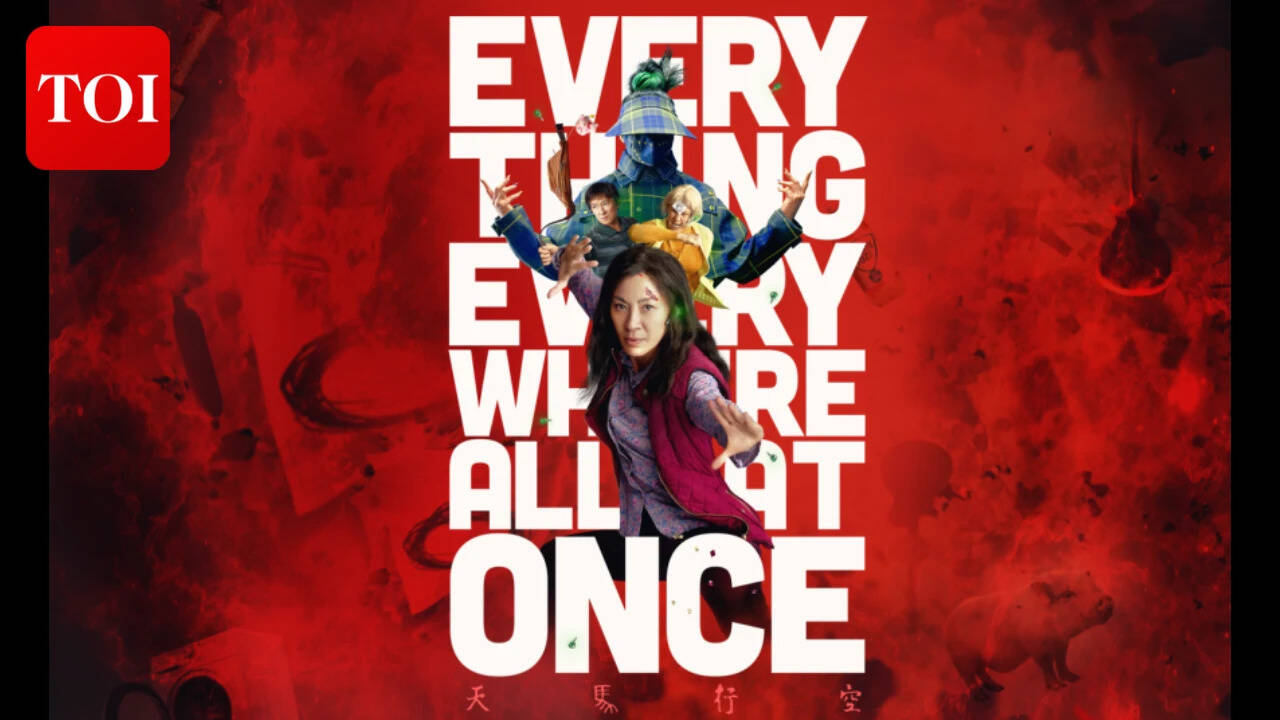
he movie Everything Everywhere All at Once is a perfect metaphor for the internet age. The villain, Jobu Tupaki, is forced to experience every single parallel universe at the exact same time.
Can we open the tech trap door and just leave?
The trap is that we are the product. This identity split is not an accident. Tech companies want us to be split. If we maintain separate profiles for our jobs, hobbies, personal lives, and our politics, we are using four different apps instead of one. This means tech companies get four times the data, show us four times the ads, and keep us online just that much longer. As the documentary, The Social Dilemma, points out, social media is designed like a slot machine. Every time you pull down to refresh, your brain waits for a dopamine hit in the form of a like, a comment, or a view. Former Google expert Tristan Harris warns that we are using our phones as digital pacifiers. Instead of learning how to deal with being lonely, bored, or sad, we reach for the screen and escape into a fake world.In short, we are all living in the multiverse of madness like Dr Strange. But none of us are magicians, so we cannot find our way out of it with a spell or a portal. The portals stay open every time we pick up the phone. The variants keep multiplying with every post, every story, every comment.Reclaiming the real us is an insurmountable task But all is not lost. Experts also say getting our seal selves back does not mean we have to delete all of our accounts. We need to set boundaries. We need an identity audit. So, we can list the apps we use and rate how real we feel on them. Try to bring our real values into all of them so we do not feel like we are playing a character.
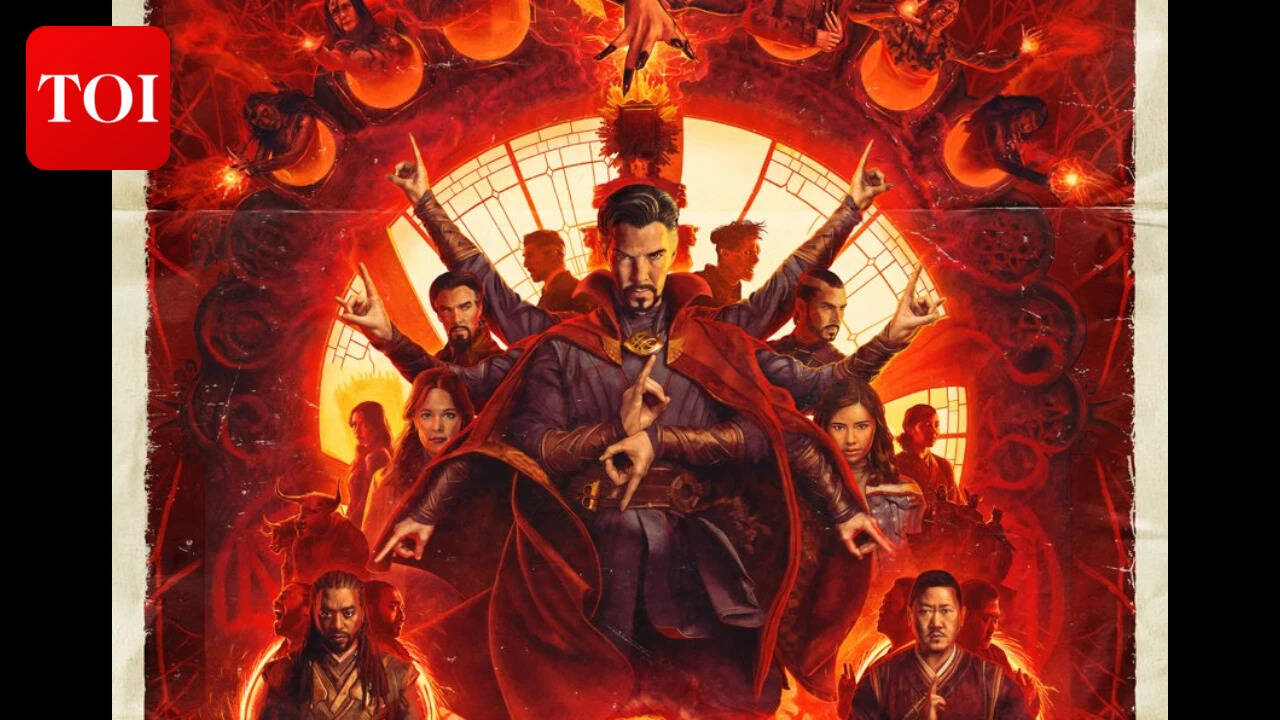
The Sorcerer Supreme had to go through innumerable trials to return to his own Earth. We just have to switch off.
Maybe, we can try low dopamine mornings; we do not touch the phone for the first thirty minutes after you wake up. Give our brain a chance to wake up in the real world first. Turn off notifications. Silence alerts for social media and shopping apps. We don’t let a vibrating screen dictate where our attention goes. Swap screen time for real time. Set app limits on phones. Spend those extra minutes walking outside, reading a physical book, or having a phone-free meal with friends.The digital multiverse is a fun place to visit, but the real world is where we actually live. By stepping back from the screen, we can stop being a collection of fake variants and find the real us again. It will not happen in one dramatic moment. It happens in small choices, day after day, when we choose the quiet, imperfect person on the couch over the polished avatars we are so used to. That is the only way home. The Sorcerer Supreme had to go through innumerable trials to return to his own Earth. We just have to switch off.