






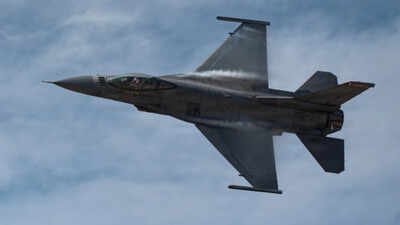
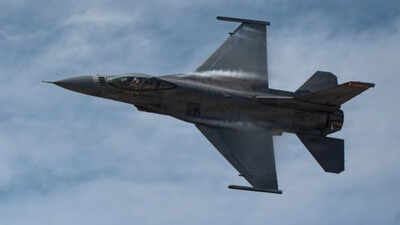
Peru’s Air Force is gearing up to acquire 12 F-16 Block 70 fighters. The jet triumphed in a contest against France’s Rafale and Sweden’s Gripen E/F. The F-16 boasts the longest production streak among 4th-gen fighters; Lockheed Martin reports over 4,600 built and 2,800 active in 29 nations. Notably, the company currently faces an order backlog exceeding 100 F-16s — a design originating in the late 1960s, per Smithsonian Air and Space magazine.The answer lies in continuous technological upgrades to the combat aircraft. This latest iteration of the fighter builds on the capabilities of the iconic jet, with integrated advanced avionics, safety systems, and extended mission endurance. At the heart of these upgrades is the Scalable Agile Beam Radar (SABR), pronounced “saber,” APG-83 AESA radar. This radar gives this variant of the F-16 capabilities comparable to its fifth-generation Lockheed Martin stablemate, the F-35; according to the manufacturer, the radars of the two aircraft share 95% software commonality and 70% hardware compatibility.Cockpit displays fuse radar data with electro-optronic inputs from the targeting pod, delivering superior situational awareness to the pilot. Customizable digital maps, flight instruments, and helmet-mounted displays enable intuitive control and operational effectiveness around the clock, boosting pilot performance day or night.Seamless weapon integration with onboard sensors, plus versatile options, ensures mission adaptability across scenarios. Conformal fuel tanks extend range by nearly 60% without aerodynamic drag or the penalty of external drop tanks. This supports longer time on station, greater reach, and reduced reliance on airborne refuelers. These advancements position the F-16 Block 70 as a highly adaptable, survivable, and enduring combat platform. Its latest variant boasts a 12,000-hour service life, equating to 40-60 years of additional flying.