






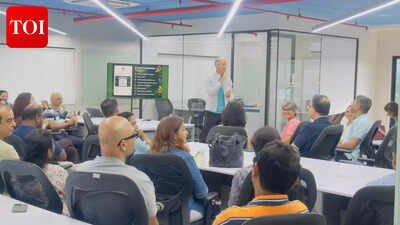
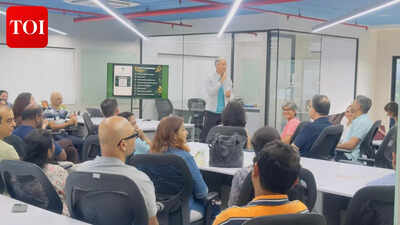
On most evenings now, 62-year-old Sonali Mundkur can be found doing something she rarely thought about a decade ago, paying attention to the order in which she eats her food. “Vegetables first, protein next, carbohydrates last,” the Pune homemaker tells us. She isn’t following a strict diet plan, nor is she recovering from a medical condition. She is just one of the growing number of Indians who are actively participating in preventive health practices instead of waiting for a diagnosis to enter the picture.For years, conversations around healthcare in India have largely begun after a diagnosis. A heart attack, diabetes, high cholesterol or cancer often serves as the trigger for lifestyle changes. But a quiet shift appears to be underway. Last month, this shift was visible in Pune when nearly 60 people gathered for the first offline meetup of The Longevity Circle, a WhatsApp-based preventive health community. The event was scheduled to last 90 minutes. Three hours later, people were still discussing blood markers, sleep quality, strength training, stress, ageing and family health.
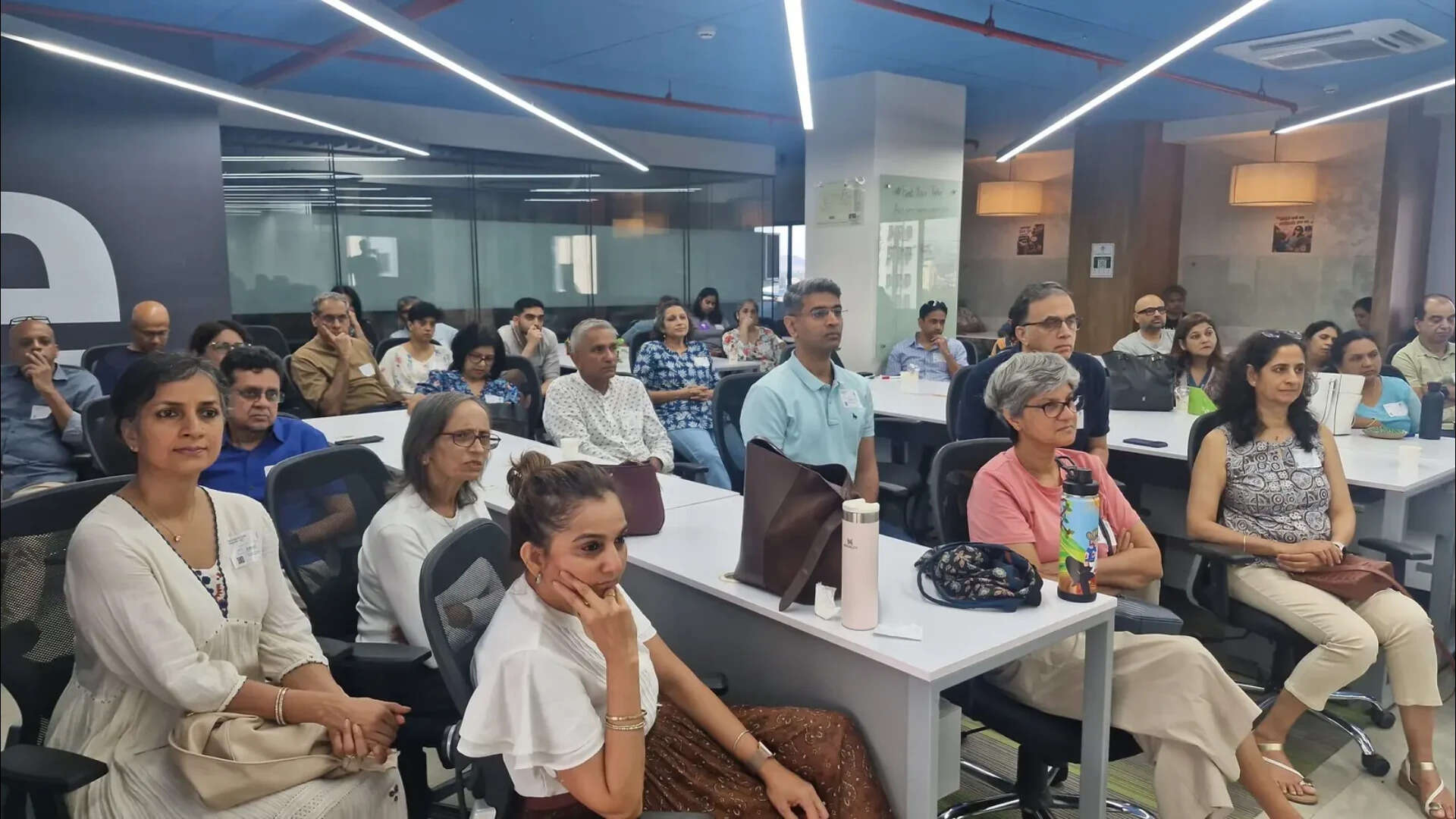
The stories were simple but powerful, post-meal walks, strength training in your seventies, and healthier habits spreading through families.
What is The Longevity Circle?The Longevity Circle is a global community of nearly 4,000 members, with around 2,000 based in India and approximately 500 in Pune alone. The community brings together people from diverse backgrounds, including homemakers, entrepreneurs, doctors, retirees and young professionals, all united by a shared interest in preventive healthcare and healthy ageing. Organisers are now exploring similar meetups in other cities based on growing member interest.
“Nobody becomes diabetic overnight. Nobody gets heart disease overnight. There are often 20-year journeys. People think healthy living means sacrifice. We’ve found that small, practical changes are often what create lasting results.”
Nickhil Jakatdar, fouder of The Longevity Circle
Small habits, lasting changeThe gap between diagnosis and maintaining a healthy lifestyle as a preemptive measure has created fertile ground for communities focused on prevention. For Prasanna Deshpande, a software sales professional with a family history of high cholesterol, the appeal was of sustainable change. “The best part is that the changes came into my life so subtly that now my life has changed quietly and for the better,” he says. Today, discussions around protein intake, sleep quality and movement have become common not only in his home but also among colleagues. What stood out in The Longevity Circle’s meetup wasn’t the medical jargon. It was the stories. While one member spoke about losing weight and inspiring his wife to do the same, another described how a simple post-meal walking habit had spread across his workplace.
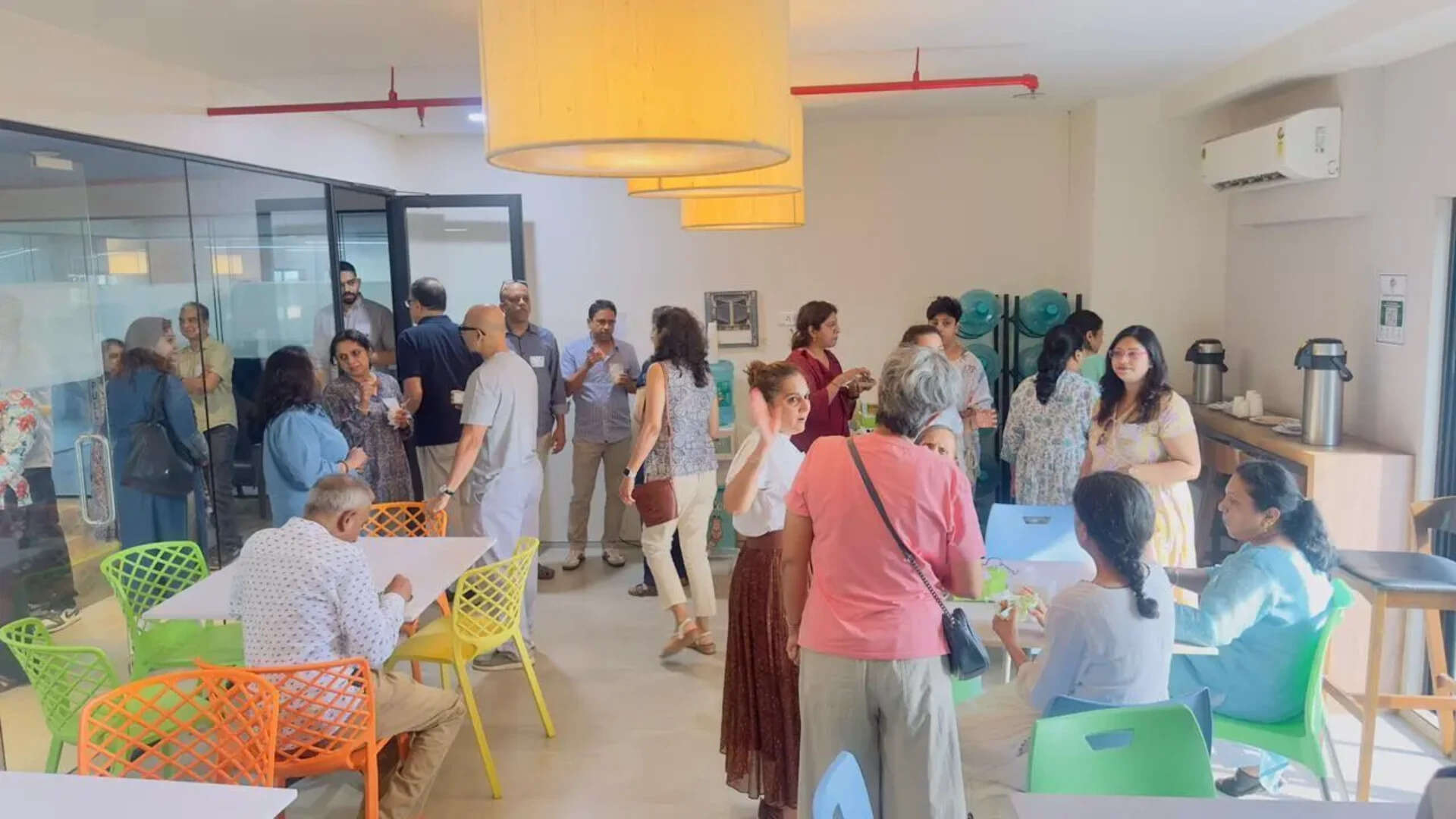
A 90-minute Longevity Circle meetup stretched to three hours as participants discussed sleep, ageing, strength training, stress and family health.
A couple in their late 60s-early 70s revealed that they had recently taken up strength training — something many younger Indians prefer keeping their distance from. The stories reflect a growing concern that India’s health crisis is no longer confined to hospitals. According to several recent health studies, India is witnessing a rise in obesity, diabetes and cardiovascular disease, which in turn are attracting heart problems even among those in the prime years of their lives. Yet awareness remains patchy. Many people continue to associate health with body weight alone, ignoring underlying metabolic risks.The diagnosis that started it allNickhil Jakatdar, founder of The Longevity Circle, speaks from experience. Despite being considered healthy by doctors and maintaining what most would consider a normal physique, Jakatdar was diagnosed with significant heart disease in his early 40s. “What shocked me was how quickly the narrative changed from ‘you’re healthy’ to ‘you’re a walking time bomb’,” he says. This pushed him to confront a reality that preventive health advocates have been highlighting for years. “Nobody becomes diabetic overnight. Nobody gets heart disease overnight. These are often 20year journeys,” he shares. The problem, he argues, is that healthcare systems around the world are designed primarily to treat illness. The years preceding that diagnosis, when lifestyle, nutrition, sleep and exercise are quietly shaping future outcomes, often receive far less attention.The changes members swear by■ Walking for 10-15 minutes after meals n Eating vegetables or salad before carbohydrates■ Increasing daily protein and fibre intake n Following a consistent sleep schedule■ Taking movement breaks instead of prolonged sitting■ Practising breathing exercises before bedtime■ Using wearable devices and health trackers to understand personal health markers■ Focusing on sustainable habits instead of restrictive diets
“It’s reassuring to be part of a community where people are trying to solve the same challenges you are. The advice is backed by research, experts and real-world results.”
Sonali Mundkar, a member of the community
Why the movement matters According to the World Health Organization’s Physical Activity Profile 2024:■ Nearly 49.4% of Indian adults do not get enough physical activity■ Physical inactivity affects 57.2% of women and 42% of men■ Among adolescents aged 11-17 years, 74% do not meet recommended activity levels■ Regular physical activity helps prevent heart disease, stroke, diabetes, hypertension, obesity and several cancers n Physical activity is also linked to improved mental health, wellbeing and quality of life
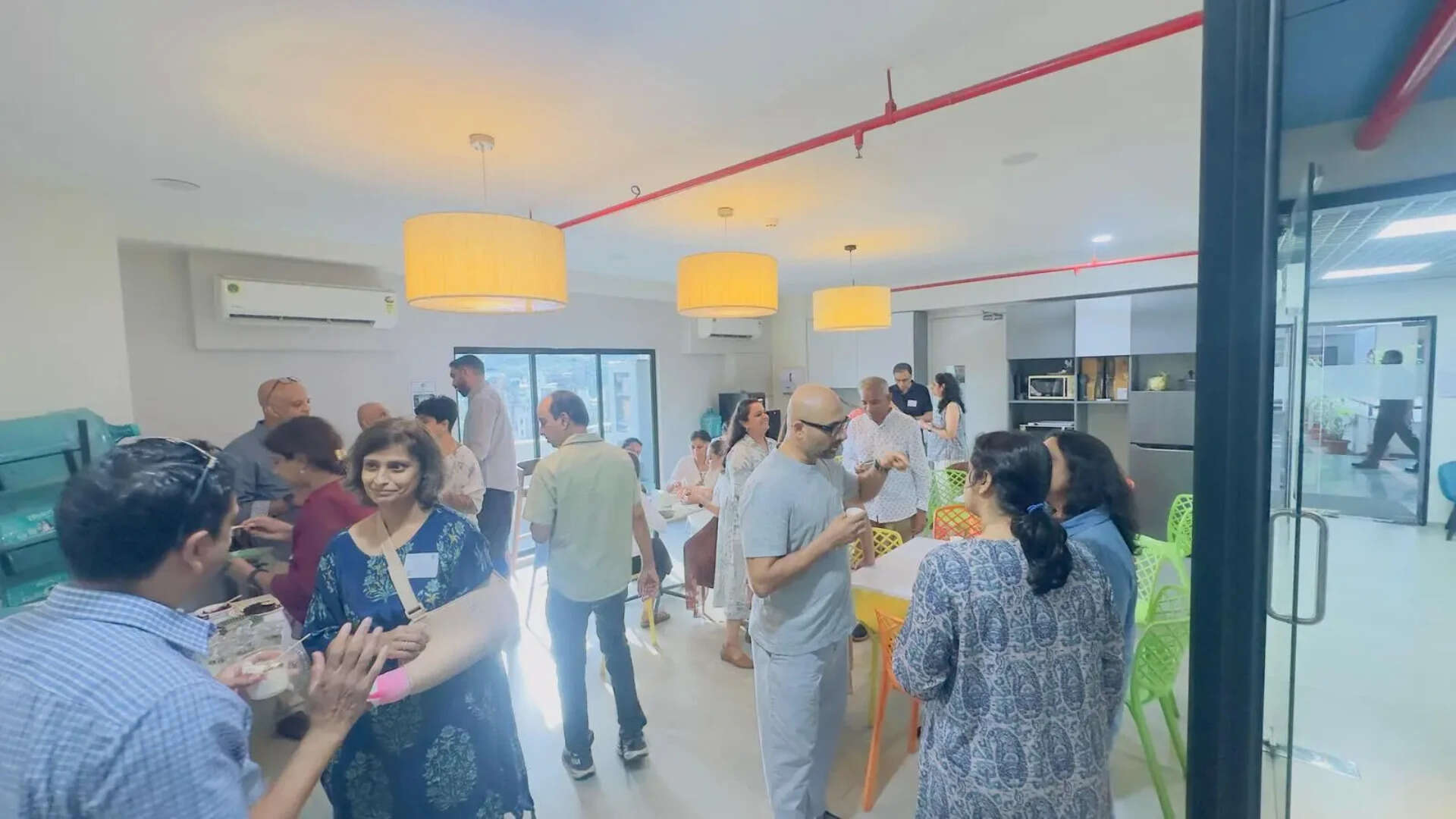
For years, lifestyle changes followed a diagnosis. Today, more Indians are focusing on prevention, long before health issues surface.
Beyond information, towards accountabilityPankaj Nirale, a startup founder who joined after becoming pre-diabetic following the pandemic, says the internet has no shortage of health advice. The real challenge is implementation. “Information isn’t the problem; it’s figuring out how to consistently follow it in real life,” he says. That observation may explain why communities are becoming increasingly important in conversations around health.Unlike social media, where advice often arrives as isolated tips or influencer content, communities provide something harder to find accountability, shared experiences and context. Members can discuss everything from eating at weddings to managing work travel without abandoning healthy habits. For many participants, the biggest benefit extends beyond physical health. Mundkur says the small lifestyle improvements have created a greater sense of calm and accomplishment. She says, “When I’ve done the things I set out to do, I feel it’s been a good day.”That sentiment perhaps explains why the Pune gathering felt less like a health seminar and more like a social gathering. The people in the room were simply trying to answer a question that millions of Indians are beginning to ask what if healthcare started before illness does?
Scan the QR code to join the WhatsApp Group