






Sarah Leavitt (Abbi Jacobsen) is caught between two worlds. On the west coast of the United States, there’s the life she’s built for herself in San Francisco, defined by self-expression and freedom she never quite felt growing up on the east coast. She’s politically engaged, has a group of like-minded friends and works for a queer magazine who occasionally let her contribute her art; back in the small Maine town where her mother Midge (Julie Louis-Dreyfus), father Robert (Bryan Cranston) and sister Hannah (Beanie Feldstein) still reside, she’s still a little ill-at-ease. But the Leavitts are close emotionally if not physically, and Sarah’s sure to go back and visit when she can. It’s on one of these trips that she first notices her mother behaving strangely; after she finds out Midge recently lost her teaching job after lashing out at an assistant, she becomes increasingly worried.
Her family, including her aunts (voiced by Pamela Adlon and Sarah Silverman) dismiss her concerns, preferring to bury their heads in the sand, to the extent that Robert announces they’re heading to Mexico for an anthropology research trip. This seems like a bad idea to Sarah; she decides to tag along with her new girlfriend Donimo (Samira Wiley) to keep an eye on her mother, and after several more alarming incidents, the Leavitts finally get the news they were dreading: 55-year-old Midge has Alzheimer’s.
Get more Little White Lies
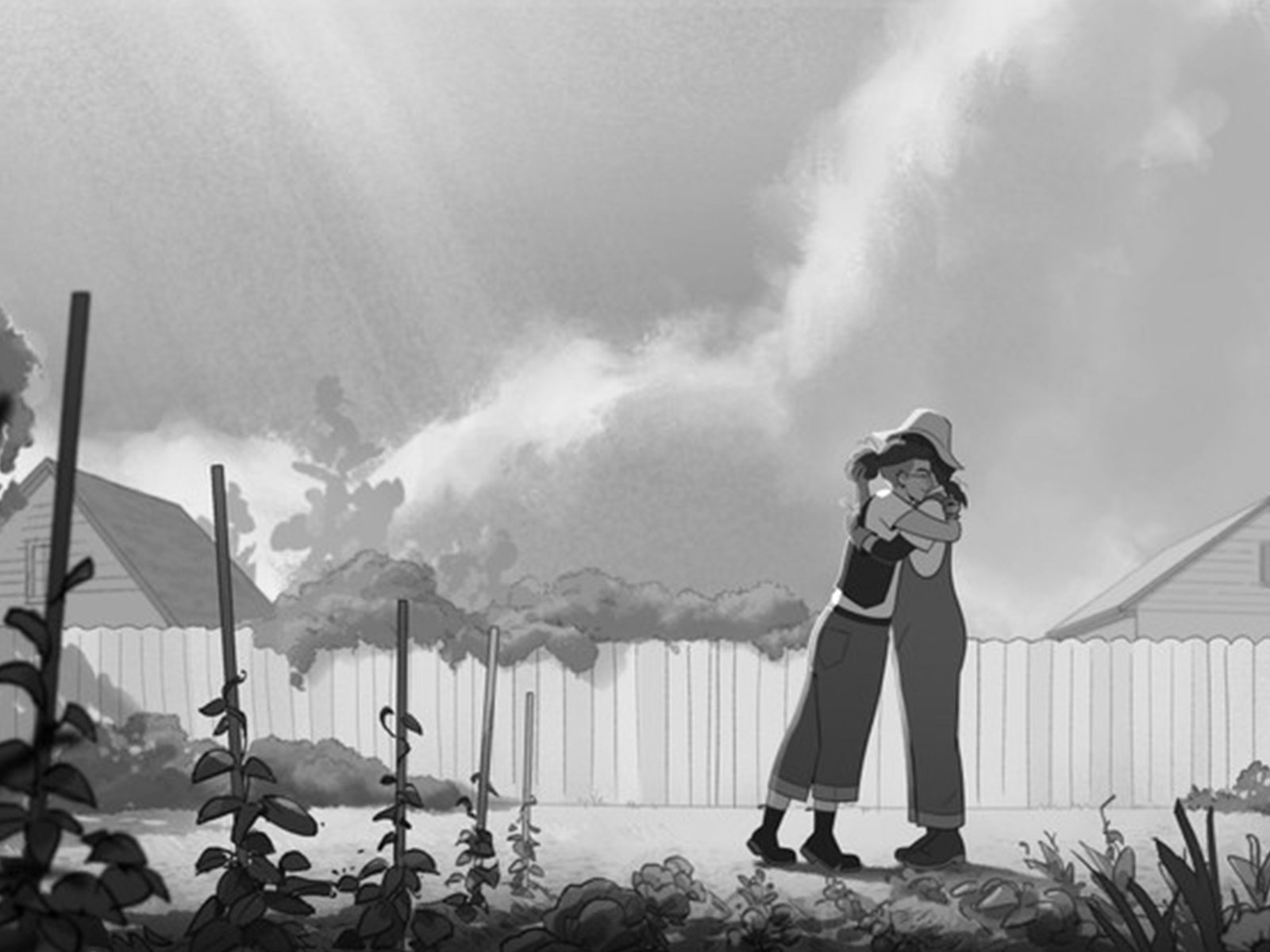
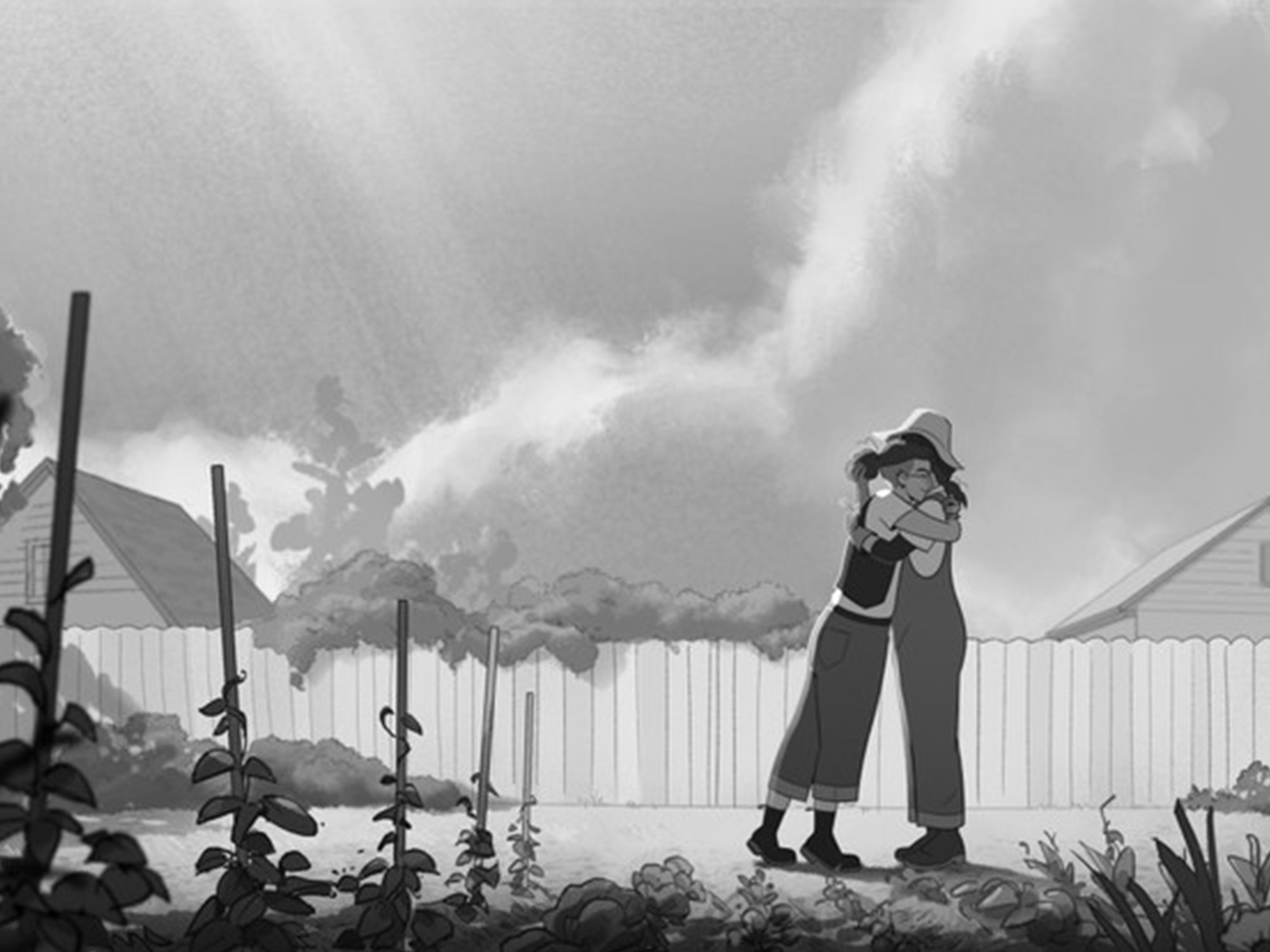
Leavitt initially documented the experience of caring for her mother in her 2010 graphic novel ‘Tangles: A Story about Alzheimer’s, My Mother and Me’, and it finds a home on the big screen via first-time feature director Leah Nelson and an exceptionally starry voice cast. It’s no gimmick though – most of them are voice acting veterans, and each feels perfectly selected for their role (Seth Rogen is a balm for the soul as Hannah’s goofy boyfriend Zach, cheering the family up in their darker days with his guitar by crooning to Four Non-Blondes’ ‘What’s Up’). Through delicate 2D animation that references Leavitt’s novel without totally replicating it, playfully moving between reality and fantasy in greyscale with occasional pops of colour. The hand drawn quality to Tangles provides a real sense of specificity and personality, reflecting the fact that every family’s (and indeed individual’s, as the film says in its preface) experience with Alzheimer’s is different.
Moreover the film captures the caregiving experience with a refreshing honesty, refusing to shy away from the most difficult parts of the condition, but always balancing them with tenderness towards both Midge as the patient and her family as they look after her. The ugly and embarrassing elements of Alzheimer’s aren’t glossed over or sensationalised; they merely are, without judgement or apology. While never shying away from the reality of this horribly cruel yet incredibly mundane condition (one that will impact most of us in some way during our lifetime) Tangles is also wonderfully funny and sage, simultaneously drawing on Sarah’s experience as a queer woman to emphasise the pain of being caught between two worlds, and the way in which dementia robs us of our loved ones in the cruellest ways possible as relatives – usually spouses and children – caregivers and realise the fragility of the people who they care about most.
There’s much pain and sadness in Tangles (which should definitely change its name before realise given the SEO nightmare of having a one-letter difference from a children’s Disney movie) but there’s a real gentleness too – if film itself can be a form of memory, there’s no tribute more fitting to a loved one’s life than a film that shows not only who they were, but how much they were loved too.