








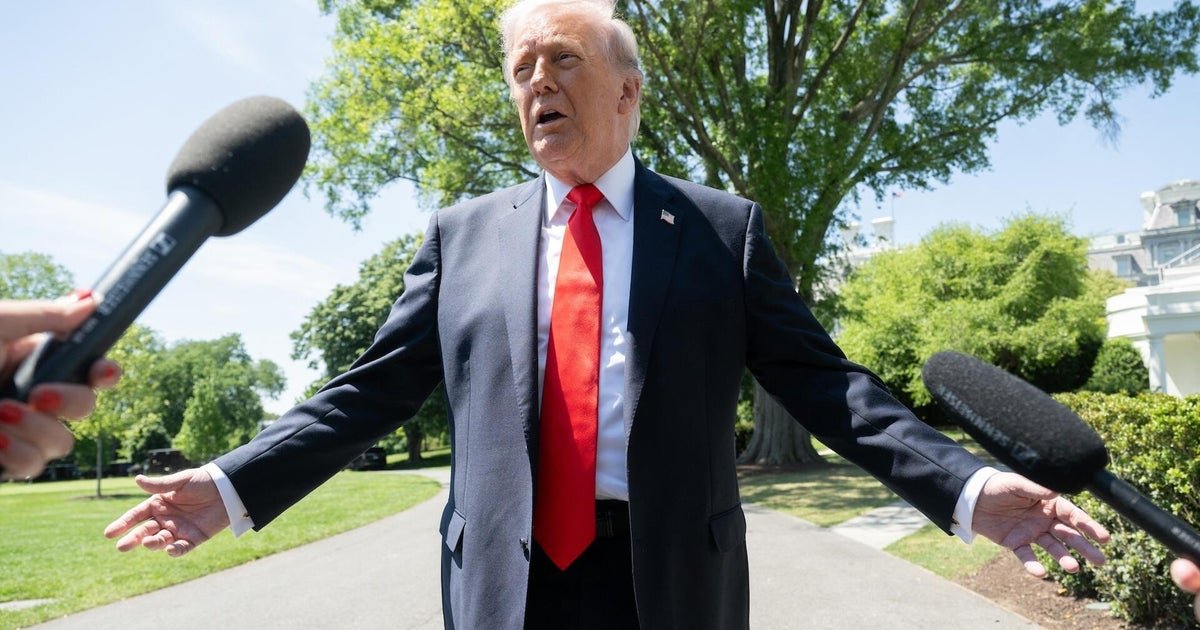
President Trump said Tuesday he has paused Project Freedom — a U.S. effort announced over the weekend to guide commercial ships through the Strait of Hormuz — to see if the United States can strike a deal with Iran.
The president announced the about-face in a Truth Social post, writing that the project is on hold “for a short period of time” because the U.S. and Iran have made “Great Progress…toward a Complete and Final Agreement.” He said he made the decision at the request of Pakistan, which has helped mediate negotiations between the United States and Iran.
The U.S.’s blockade of Iranian ports will remain in place, Mr. Trump said.
Project Freedom was unveiled by Mr. Trump late Sunday and took effect the following morning. He described it as a way to help commercial vessels navigate through the Strait of Hormuz, a 21-mile-wide chokepoint that normally carries one-fifth of the world’s oil. Since the U.S. launched strikes on Iran in late February, Iran has sought control over the strait, and vessel traffic has plummeted, sending global oil prices soaring.
Shortly after the operation began, the U.S. military helped two American-flagged vessels pass through the strait, U.S. Central Command said. The military said Monday it reached out to dozens of other shippers that are stuck in the Persian Gulf, describing them as “neutral and innocent bystanders” in the conflict.
The U.S. military says it has also cleared Iranian mines from one part of the Strait of Hormuz that is further from Iran’s coastline, and began directing commercial ships to use that route on Monday.
Iranian officials have reacted furiously to Project Freedom, testing an already-tenuous U.S.-Iran ceasefire struck last month. Iran has warned any ship that tries to transit the strait without its permission will be targeted.
On Monday, two U.S. Navy destroyers that crossed the Strait of Hormuz faced a barrage of Iranian missiles, drones and boats, CBS News reported. The ships were not hit due to defensive measures and air support, defense officials said.
Adm. Brad Cooper, commander of U.S. Central Command, said Monday that Iran launched an attack against U.S. naval and commercial vessels, leading the U.S. to destroy six Iranian small boats. Iran denied that its boats were destroyed, and Iranian state media outlets claimed Iran successfully struck an American warship, which the U.S. said was false.
Attacks have also been reported on several non-U.S. commercial ships in recent days, including a cargo ship owned by a French firm, and an oil tanker from Abu Dhabi’s state energy company. And the United Arab Emirates reported Iranian drone and missile attacks on Monday.
Meanwhile, Mr. Trump warned Monday that Iran will be “blown off the face of the earth” if it interferes in the strait.
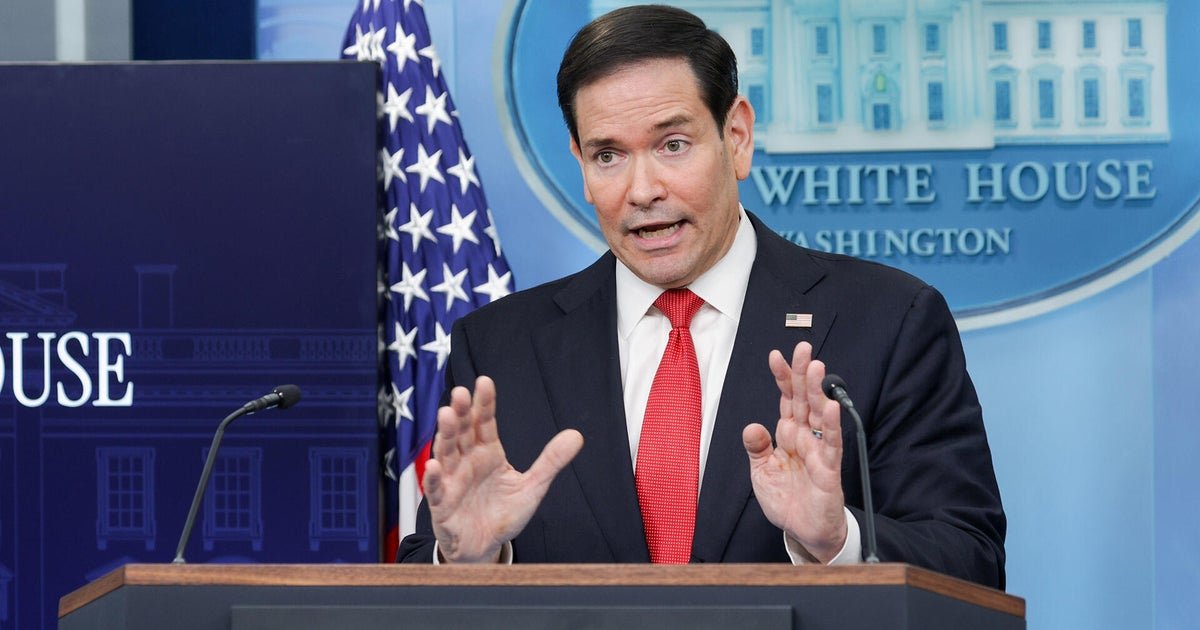
Trump administration officials say the ceasefire is still holding, despite the exchanges of fire. Defense Secretary Pete Hegseth told reporters Tuesday “the ceasefire is not over,” and Secretary of State Marco Rubio said hours later that Project Freedom is purely a “defensive operation,” with the U.S. only firing if it is shot at first.
Mr. Trump said Tuesday that Iranian officials “know what to do” to avoid triggering an end to the ceasefire.
Iranian Foreign Minister Abbas Araghchi suggested Monday that Project Freedom could interfere with peace talks, calling the initiative “Project Deadlock” and warning “there’s no military solution to a political crisis.”
“As talks are making progress with Pakistan’s gracious effort, the U.S. should be wary of being dragged back into quagmire by ill-wishers,” Araghchi wrote on X.
It’s not clear where U.S.-Iran talks currently stand. Iran’s efforts to control and charge tolls in the Strait of Hormuz have drawn stiff pushback from the U.S., and the American blockade of Iranian ports has angered Iran. Longer-term disagreements also appear to linger, including the fate of Iran’s nuclear program.
Mr. Trump said over the weekend he had received a new peace plan from Iran, but doubted it would be adequate because “they have not yet paid a big enough price.” Iran said Monday it was still reviewing the U.S.’s response to its proposal.