







Washington — The U.S. intelligence community has been exploring how Cuba might respond to an American military action, CBS News has learned.
Earlier this month, as the U.S. intelligence community tracked the Universal, a sanctioned Russian-flagged oil tanker bound for Cuba, analysts at the Pentagon and Defense Intelligence Agency, the U.S. military’s intelligence arm, started to analyze what the Cuban response would be to an American attack on the Caribbean country. Work on developing military options for President Trump has begun, according to two U.S. officials with knowledge of the matter. Both requested anonymity because they were not authorized to speak publicly.
These types of intelligence forecasts attempt not only to show the immediate consequences of an American action, but the chain of reactions that may follow. U.S. military planners frequently incorporate such analysis into developing options for a president to consider.
When asked Wednesday by reporters if there would be further escalation in Cuba following the U.S. indictment of former Cuban leader Raúl Castro, Mr. Trump replied, “No, there won’t be escalation. I don’t think there needs to be.”
The blowback assessment from the U.S. intelligence community is not clear, but it is ongoing and comes as tensions between Havana and Washington have been rising. This year, the Trump administration has issued more sanctions, targeted Cuban military and intelligence officials and expanded efforts to choke off Cuba’s fuel and shipping access.
CBS News has confirmed that Cuba has acquired attack drones — it’s not clear who provided the drones or how they were obtained. On Sunday, Axios, which first reported the news of the Cuban drones, said Havana had obtained more than 300 military drones and had discussed plans to use them to attack the U.S. military installation at Guantanamo Bay if hostilities with the U.S. erupt. Cuban President Miguel Díaz-Canel denied Havana poses any military threat to the U.S., but warned that a U.S. assault would cause a “bloodbath.”
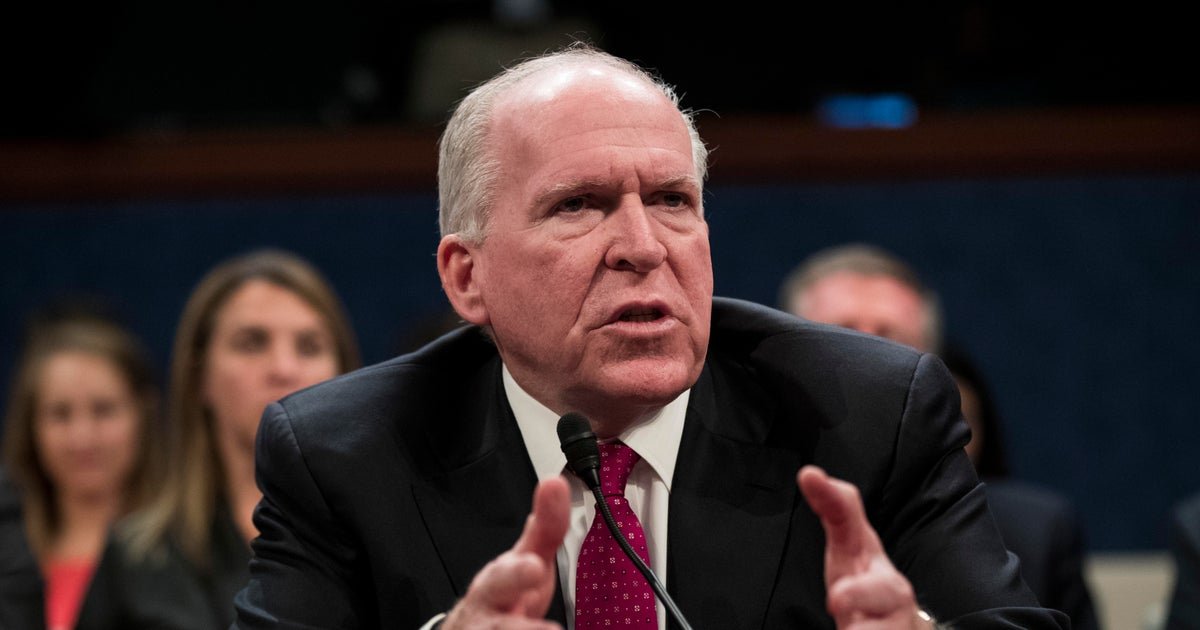
Last week, CIA Director John Ratcliffe traveled to Cuba and met with intelligence officials and Raúl Guillermo “Raulito” Rodríguez Castro, the grandson of former leader Raúl Castro. A CIA official said that Ratcliffe told Cuban officials the Trump administration was offering “a genuine opportunity for collaboration” and a chance to stabilize Cuba’s struggling economy, while cautioning that the opportunity was contingent on Cuba severing its ties with U.S. adversaries Russia, China and Iran. Ratcliffe also said the offer would not remain open indefinitely.
In an executive order earlier this year, Mr. Trump claimed Cuba harbored Russia’s largest overseas listening post. The Biden administration also accused China of opening up spy facilities on the Communist island just 90 miles from U.S. shores.
A U.S. official told CBS News that the Ratcliffe meeting would test whether those within the Cuban regime who recognize that the country needs a new direction can win over the hardliners who believe that their ability to resist U.S. pressure over 67 years means they’ll be able to outlast Mr. Trump.
Ratcliffe’s visit followed a series of secret meetings between Cuban officials and senior State Department officials.
In April, a delegation traveled to Havana and floated offering Cuba access to Starlink, a satellite internet service operated by Elon Musk’s SpaceX.
More recently, Secretary of State Marco Rubio reiterated a U.S. offer of $100 million in humanitarian aid, to be sent to Cuba through faith-based charities that he earlier said had been stalled by Cuban government officials. A senior State Department official said Tuesday that the charge d’affaires in Cuba, Michael Hammer, had met in recent days with Cuban foreign ministry officials to deliver the terms of the U.S. proposal, which includes food, medical supplies, solar lamps and other basic goods to be distributed island-wide.
Rubio on Wednesday released a Spanish-language video directed at the Cuban people that blamed the island government for widespread fuel and food shortages across the country. He singled out GAESA, the business conglomerate run by Cuba’s military that controls most of the economy, as the main obstacle preventing cooperation with the U.S. The U.S. sanctioned GAESA earlier this month and unveiled a new swath of sanctions on Cuban military and intelligence agencies and officials on Monday.
On Friday, CBS News first reported that the U.S. was taking steps to indict Raúl Castro, the 94-year-old former president, in connection with the downing of two aircraft 30 years ago. On Wednesday, federal prosecutors in Florida unsealed an indictment charging Castro and five others in connection with the Cuban military action.
Meanwhile, the Universal has been sailing in circles for weeks in the Atlantic Ocean and over 1,000 miles away from Cuba. In the past, numerous ships bound for Cuba have altered course amid concerns they could be intercepted by U.S. naval forces. The United States did allow crude oil carried by the Russian tanker Anatoly Kolodkin to reach Cuba and provide relief to the island back in March. Earlier this week, the U.S. allowed ships carrying aid from Uruguay and Mexico to deliver supplies.
As global energy markets convulsed amid the U.S.-Israel war with Iran, Washington has approved 30-day exemptions allowing countries to continue receiving Russian oil and petroleum shipments already aboard tankers and en route.