










Oversized balloon glasses. Rosemary sprigs, dried orange wheels, gondhoraj lime, lemongrass and spices as garnish elements. Chit-chat on the side. And non-stop clickity-clack as the perfect moment must be captured first for the Gram before the first sip of Gin and Tonic (G&T) is had!But, wait, hold your drink! Long before it became Instagram’s favourite cocktail, the G&T was essentially a dose of medicine in the days of the Raj. For the soldiers, traders and administrators of the British Empire stationed in India in the 18th and 19th centuries, tonic water became a reliable defence against malaria, courtesy one of its key ingredients, quinine. But quinine, extracted from the bark of the cinchona tree, in itself is a bitter compound. To make the medicine more palatable, it was mixed with sugar, water and lime, creating an early version of tonic water.
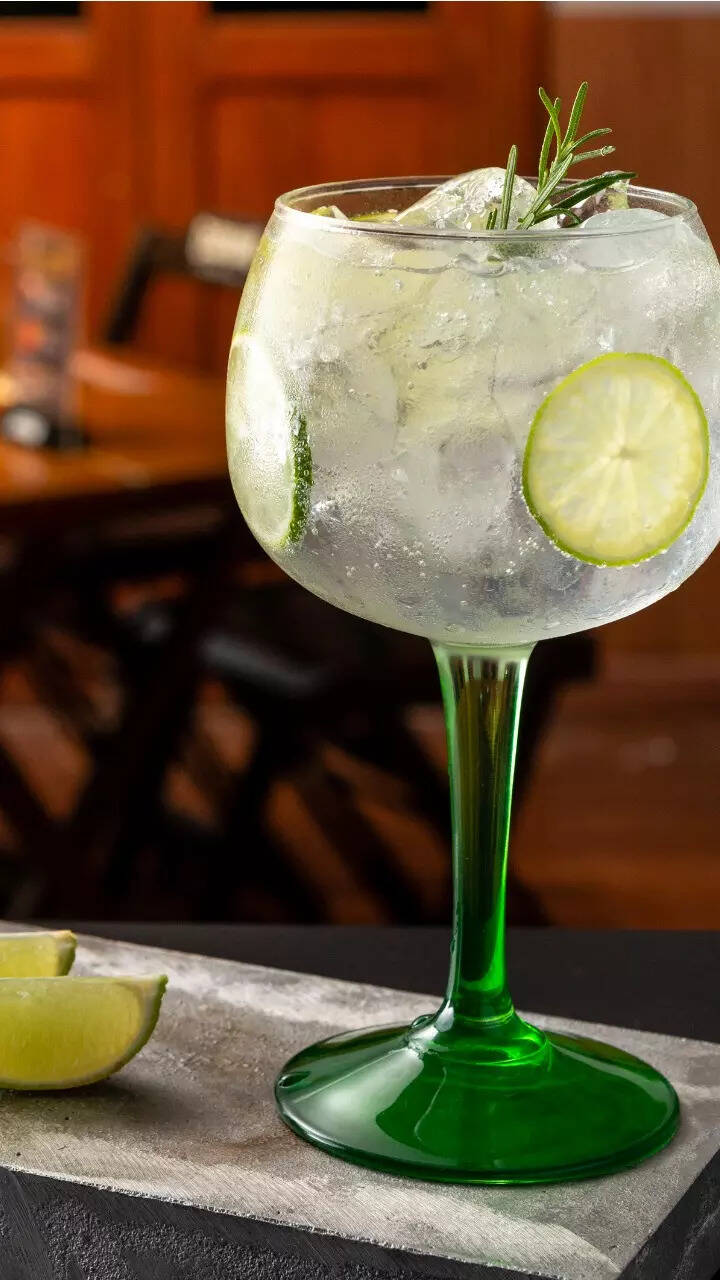
Two centuries after it arrived as part of the colonial toolkit, gin has undergone a distinctly Indian transformation.
And thus was born a concoction whose origins lay in colonial medicine rather than leisure. The sailors and soldiers of the British Army, posted across tropical outposts of the empire where the fear of malaria loomed, began to fortify themselves by adding a dash of gin to their daily ration of tonic water to hide its bitter medicinal taste. So did those frequenting the clubs of then presidencies Calcutta and Bombay as they helped themselves to the heady drink, filled with ice.
Therapy Tales
Once considered therapeutic, gin now finds itself raising a toast to India’s burgeoning liquor market even as its ‘quinine’ USP is no longer a highlight. According to a report published by Allied Market Research in April 2022, the size of India’s gin market was valued at $914.7 million in 2020, and is projected to reach $1,598.2 million by 2030.So what explains its popularity?“In India specifically, two things happened at the same time: a generation of bartenders who travelled, trained seriously, and came back wanting better ingredients to work with, and a consumer who was ready to follow them there. The craft movement gave both sides something to get excited about, and gin stopped being a niche import and started being something that belonged here. That shift in ownership is what really drove the growth,” Anand Virmani, Co-Founder & Master Distiller, Nao Spirits & Beverages, says.

Anand Virmani believes the craft movement gave gin a new perspective and sense of belonging in India.
Crafting A New Spirit
The craft movement, born almost three decades after liberalisation and economic reforms of 1991, also signalled a shift in consumer preferences. Growing disposable income following years of liberalisation meant that consumers were open to experimenting with new flavours and trends which were rooted in India. Authenticity became a driving force as homegrown brands looked at desi botanicals and spices to add a distinct flavour. “Gin as a category has evolved beyond classic expressions. Flavours have become a really interesting new dimension, with brands experimenting in ways that make gin feel more approachable and occasion-led. You’re seeing this with brands like Samsara and Seqer exploring more flavour-forward profiles, which appeal to both new and existing consumers,” Vikram Achanta, Founder & CEO of Tulleeho, and Co-Founder of 30BestBarsIndia and India Bartender Show, says.
Desi Flavours
Tapping new consumers is what Tilaknagar Industries, a legacy spirits company and India’s biggest brandy maker, has tried to do as well. Sanaya Dahanukar, GM – Growth & Innovation, Tilaknagar Industries, says that the beverage maker made a series of investments across categories in the craft space, and picked up a 21 per cent stake in Spaceman Spirits Lab, the makers of Samsara Gin.“Craft gin stands out because it combines innovation with a strong emotional connect, given that homegrown brands are spotlighting local botanicals to create distinctive products and stories,” she says.

Sanaya Dahanukar, GM – Growth & Innovation, Tilaknagar Industries, says that the beverage maker made a series of investments across categories in the craft space.
Let’s Gin and Bear It!
With over 32 Made-in-India gin brands, and counting, the craft market has come a long way, from invoking interest in botanicals and local ingredients (gondhoraj lime, Himalayan juniper, tulsi, coriander, cardamom, Kashmiri lavender). The gin recipe is now poised for a reset as competition builds up.
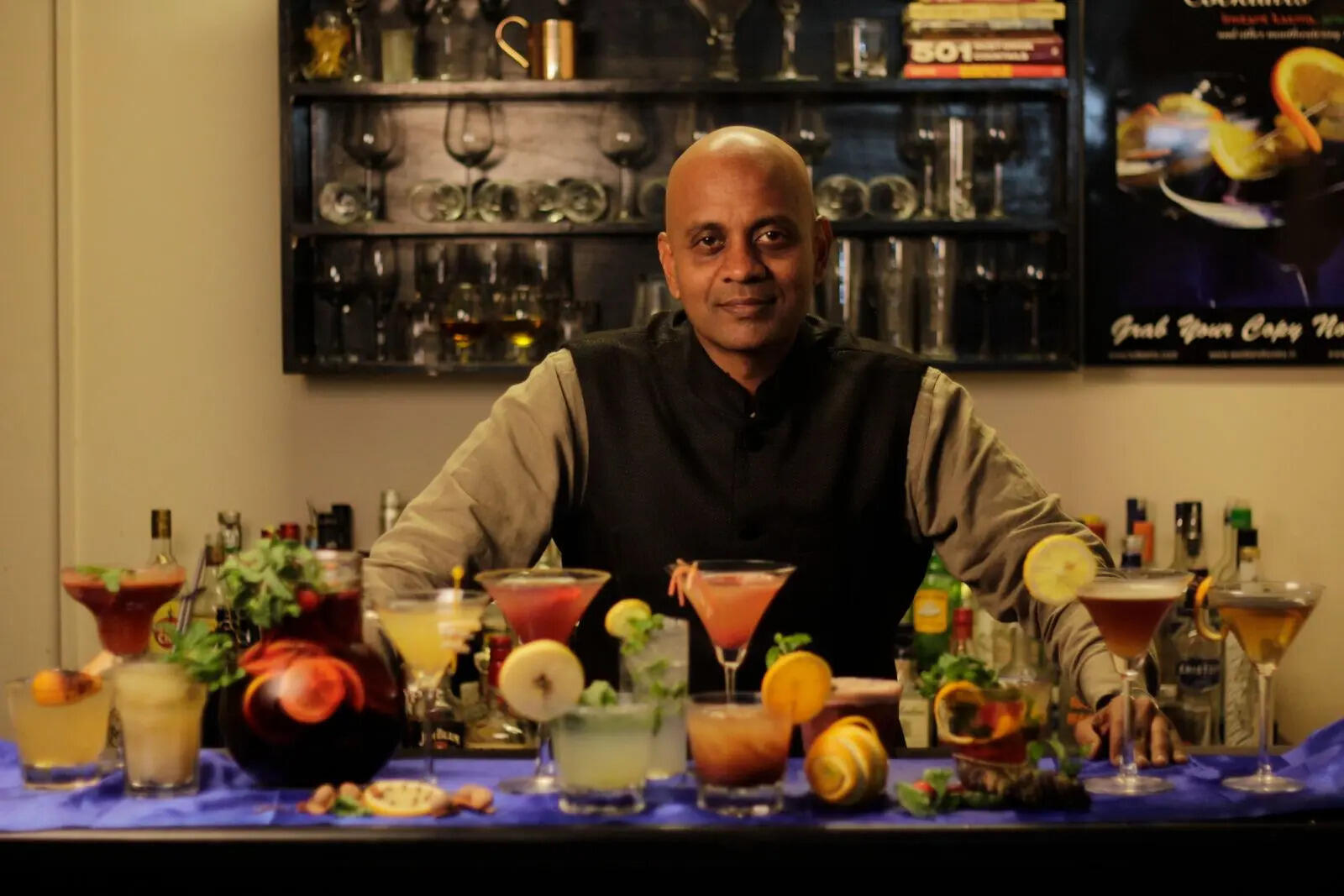
Vikram Achanta, Founder & CEO of Tulleeho, says the next phase in gin growth is likely to be about differentiation.
“The next phase is likely to be about differentiation, where brands need to give consumers a stronger reason to come back. Stranger & Sons has explored limited releases and collaborations like its coffee expression with Subko, while Greater Than has played with editions like Juniper Bomb to explore different flavour profiles,” Achanta says.
Hic Hic Hiccups …
A (medicinal) drink introduced by the British two centuries ago has now become an intrinsic part of modern Indian drinking culture. Afternoon soirees, evening galas, intimate dinners – you name it, and a stylish concoction, replete with artisanal food pairings, fills the frame. But is this enough to raise a toast? Virmani feels that the craft gin manufacturing community has been hit hard by a structural challenge that lies in the federal excise system where every state is its own market with different labels, rules and processes, with not one distribution strategy in place. “For a craft producer that means producing confirmed orders, because the volatility doesn’t allow for inventory speculation. It slows scaling in a way that has no equivalent anywhere else we operate internationally,” he says.
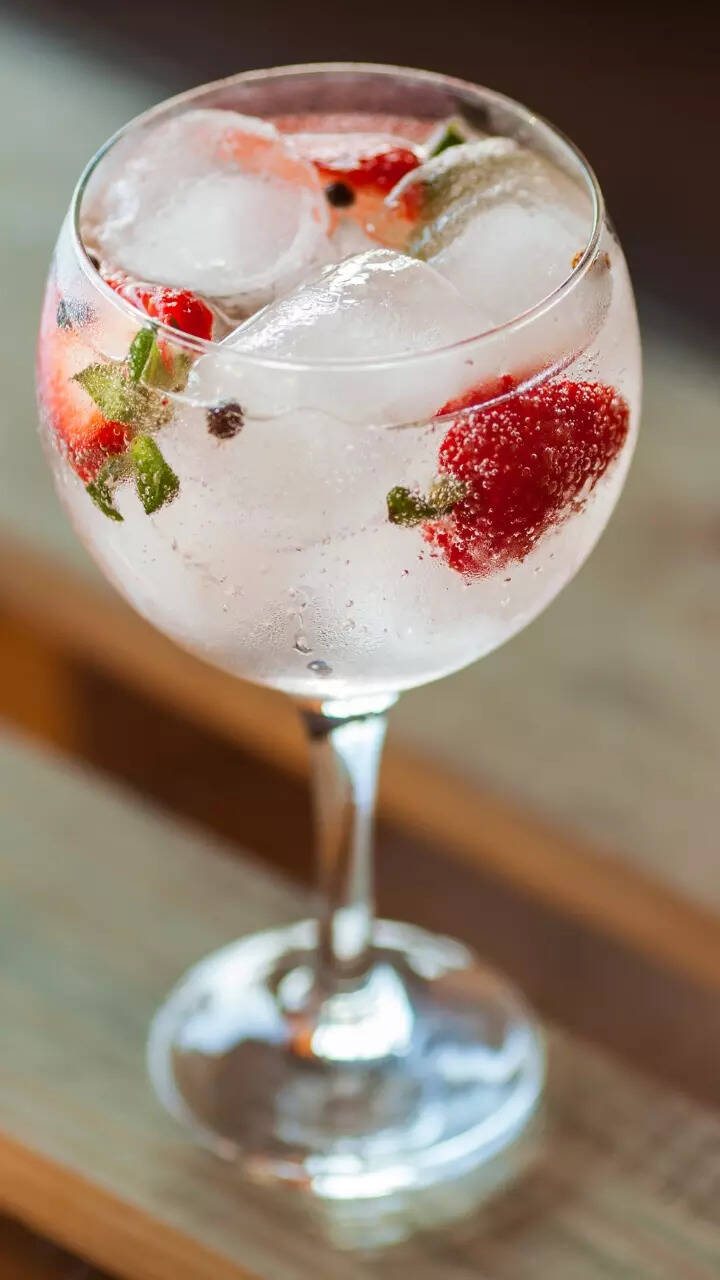
Combining gin with a splash of Angostura bitters, resulting in a blush-pink hue, it is often garnished with grapefruit or strawberries.
Achanta feels that in an increasingly crowded market, simply having “interesting botanicals” (think basil leaves, grapefruit) isn’t enough anymore. “Apart from pricing and regulation as alcohol remains a very state-led business in India, consumer education still matters. Gin has grown quickly, but there’s still work to be done in helping consumers understand different styles of gin and why one expression tastes very different from another,” he says.
Gin & Geography: A Sense of Purpose
For a tropical country which sees scorching temperatures in the 45-degree range regularly, the G&T weathers the hot and muggy weather, smoothly. Its crisp and aromatic profile has helped make it a popular warm-weather drink. “Gin is built for curiosity: juniper is the only rule, everything beyond that is open territory,” Virmani says. A drink steeped in history, aided by geography, with medicinal utility in tow – the comeback of gin in India has been a curiosity-aided quest. As craft manufacturers and bartenders innovate, experiment and spice it up with local elements, for many it’s time for a refill.