








When it comes to dogs in movies, cinema has developed its own series of informal rules with regard to what is and is not allowed to happen to the little blighters. Chilean filmmaker Dominga Sotomayor expertly subverts expectations when it comes to these rules in her absorbing and unsentimental new work La Perra, in which its doggo protagonist is authentically chaotic and is not unduly humanised in a bid to curry favour with the audience. It’s a film which says, rather bluntly, that dogs can display what we may interpret as affection for their masters, but perhaps this is merely the behaviour of primal instinct and the idea of loyalty is nothing but a myth.
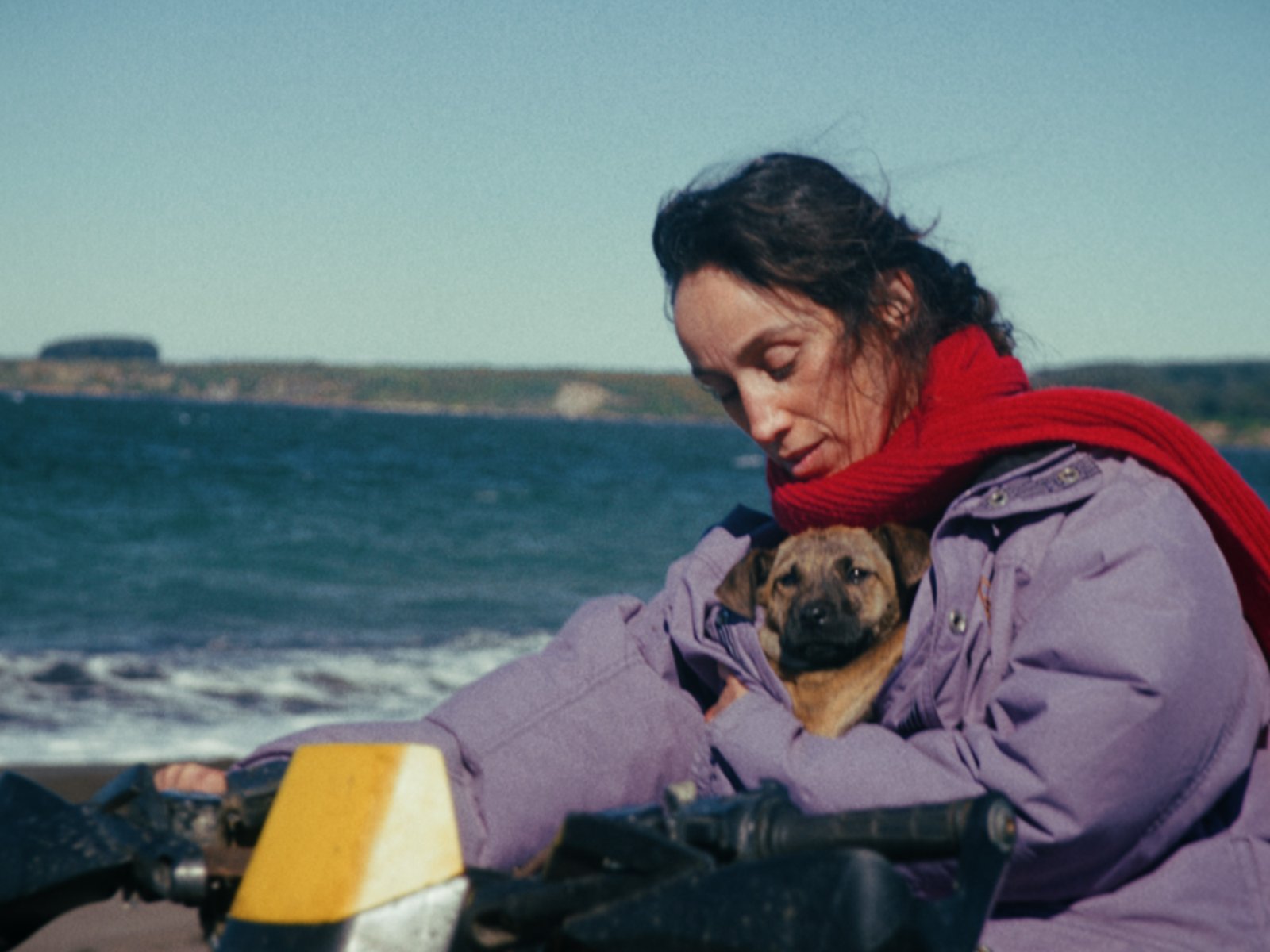
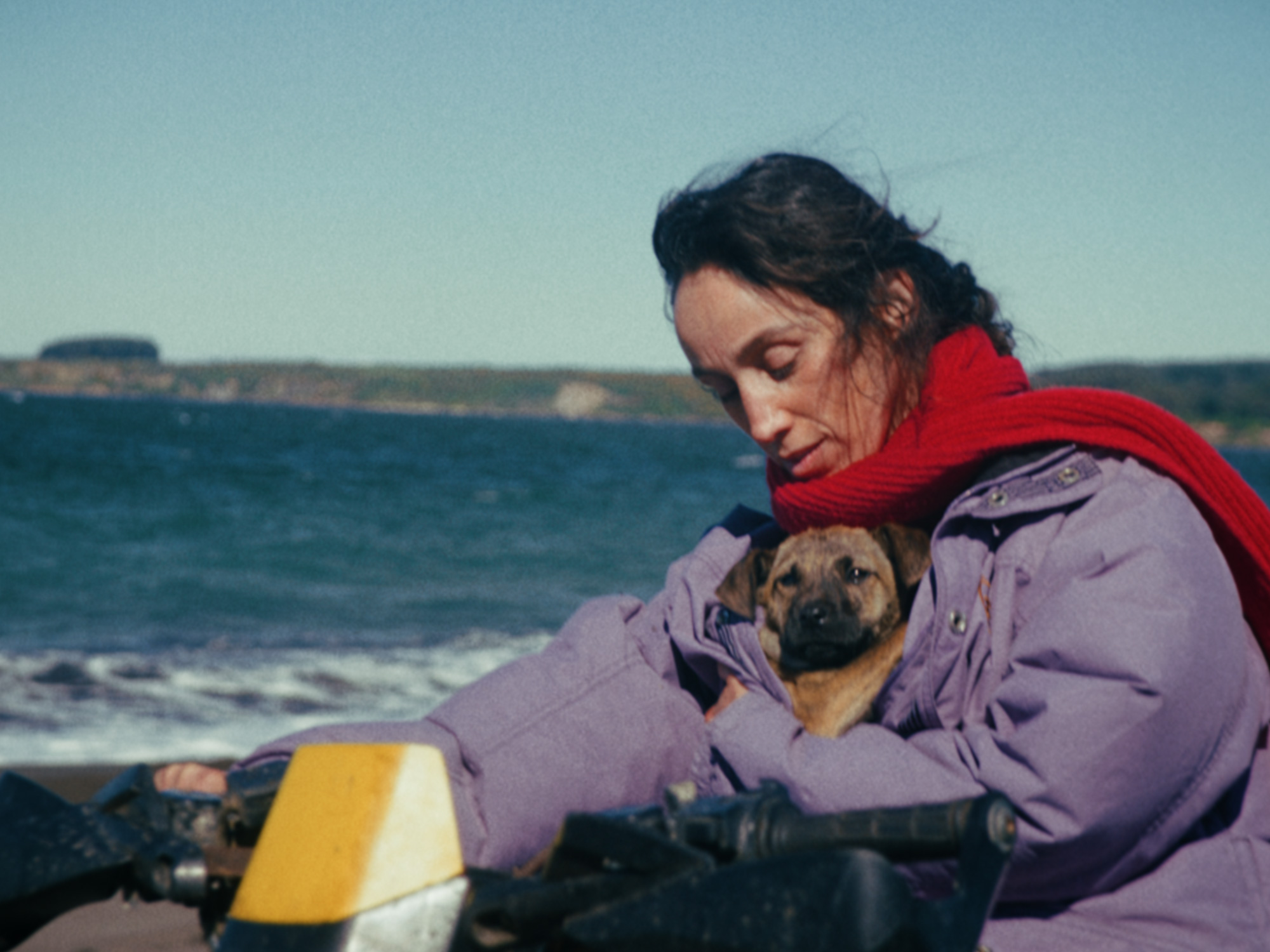
Silvia (Manuela Oyarzún) lives a lonely, modest but apparently fulfilling life harvesting seaweed and shellfish on the rocky outcrops of the island she lives on off the coast of Chile. She inhabits a rusty shack, and does so without the majority of domestic creature comforts. One day, while she’s dropping off her bundles of carefully-dried seaweed, she walks past a pick-up truck around which a group of kids are cooing over a bundle of yapping pups. On a whim, Siliva scoops one of them under her arm and, in a flash, she has her own dog that she names Yuri.
Get more Little White Lies
In the films opening chapter, Sotomayor depicts the magic that comes from nurturing a young dog who seems to reciprocate with mutual affection. Not only does Yuri appear to respond to the spoken word commands of her doleful master, but she also performs for the director in a series of gorgeous cutaways in which the tenacious mutt chases wild horses or “assists” Sylvia in her seaweed harvesting. These sequences alone make the case for animal companionship, though just when things are looking almost too idylic, tragedy strikes when Yuri runs away.
It’s at this point that Sotomayor’s narrative shifts gear and we flit back from the present to the past. Oyarzún’s detailed performance exudes an element melancholy, and suddenly her sense of contentment is called into question. A flashback perhaps offers a little too much context in this instance, and Silvia’s festering (and entirely justified) sense of trauma sees the arrival of Yuri as taking on an entirely new dimension. The film, which is adapted from the 2018 novel La Perra by Pilar Quintana (aptly translated into English as “The Bitch”), is pessimistic about the possibility that a human might be able to suppress events of the past that have left a deep scar. But it’s perceptive in the ways it identifies in which trauma can be triggered and send us on a cyclical spiral of anguish.
As the film draws to a close, its intention seems aimed more to provoke debate than to offer sanguine platitudes about the process of healing. It’s a tougher and darker film than it initially appears, and Sotomayor’s direction is nothing short of breathtaking, both in her marshalling of vital nuance in the actors (both human and animal), and the ambivalent way she photographs the landscape, which ultimately gives the story a hard-won authenticity.