







Japanese auteur Koji Fukada is something of a chameleon. Renowned for psychological thrillers such as Harmonium (Cannes Un Certain Regard 2016) and A Girl Missing (2019), he’s equally adept at crafting gentle character dramas, for example the Rohmerian Au revoir l’été (2013), Venice competition title Love Life (2022), and the engrossing – but fairly internationally inaccessible – idol drama Love on Trial, which premiered in Cannes last year. Nagi Notes, Fukada’s first film in main competition, finds him in this softer mode. The titular Nagi is a small town in Okayama prefecture to which architect Yuri (Shizuka Ishibashi) has retreated in order to visit her former husband’s sculptor sister, Yoriko (Takako Matsu). They’ve remained in contact since the divorce. The concept of an ‘ex-sister-in-law’ proves difficult for local boys Keita and Hatsuko to wrap their heads around. Keita’s first instinct is to identify the two women as a romantic couple. Yuri corrects him, but appears pensive when confronted with the notion.
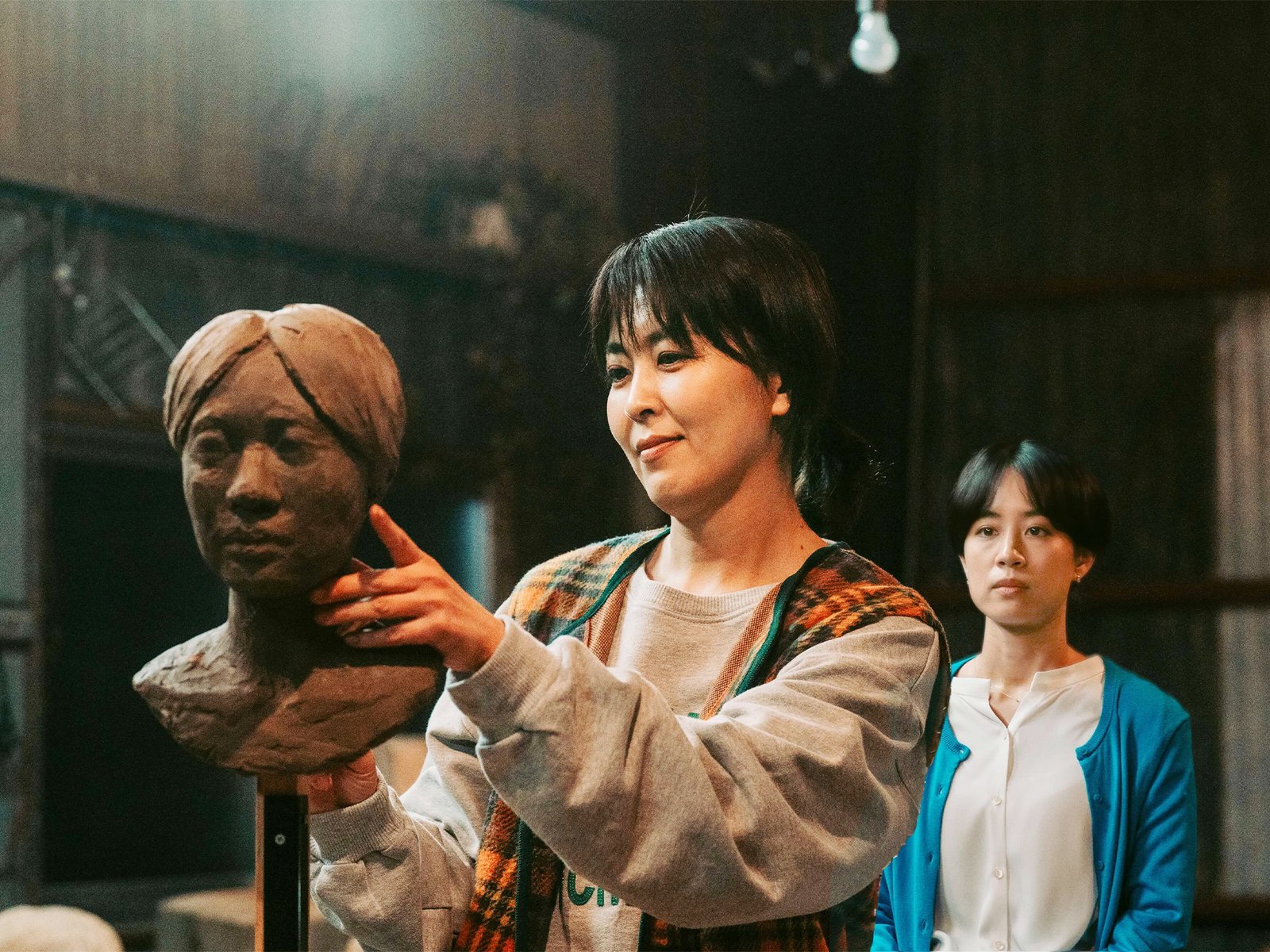
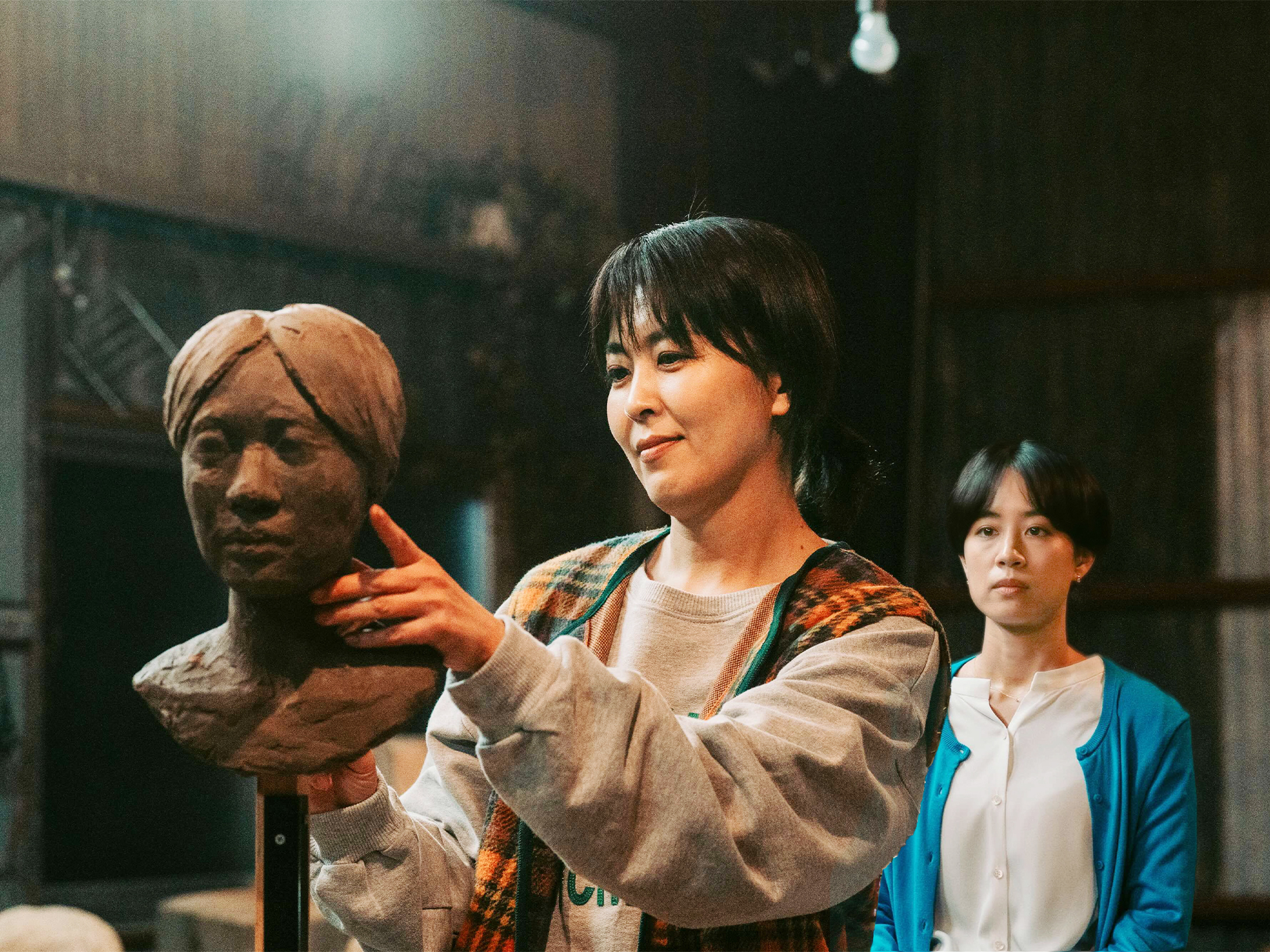
These subtle interpersonal pushes and pulls are adapted from acclaimed 1994 theatre piece Tōkyō Notes by Oriza Hirata. The original work places these conversations within a Tokyo art museum – Fukada relocates many of them to Nagi’s Museum of Contemporary Art (Nagi MOCA). Tokyo-born, the filmmaker was new to Nagi when developing the project – it was Hirata who suggested Nagi MOCA as the adaptation’s setting. Yuri and Keita sit together and talk in the museum’s large chamber rooms. Vast and cavernous, with curved walls and ceilings, these feel sculptural, not architectural. It’s a fitting site of confession – Yuri, an architect, does not know herself yet; Yoriko, a sculptor, does. Yoriko works tirelessly in her studio on clay busts of Nagi’s townsfolk, working to capture their essences as she perceives them. Her past romantic feelings for a woman are brought up casually, and they inform the difference with which she approaches a situation that subsequently arises from these conversations.
Get more Little White Lies
In the film’s most extraordinary image, the two boys build their own camera obscura at a museum workshop, viewing their surroundings together through an enclosed cardboard box. The two women do the same. A shock confession turns the world on its head and renders it hazy. Both women endeavour to understand. Contemporaries such as Hirokazu Kore-eda (Monster) and Shun Nakagawa (Kalanchoe) have been exploring hidden LGBTQ+ identity on screen in such deeply embodied and empathic ways of late – Fukada’s approach is simply too detached and distant in comparison. His characters talk at length about their professed feelings, but rarely do we end up feeling any part of them ourselves.
Where Nagi Notes does resonate is in the affections and sentiments that are left unsaid or merely suggested for much of the film’s runtime. Haruki’s father longs for Yuri thanks to an unusual catalyst that links them all. Keita is born to a defence force father – the Godzilla-like sound of testing at the nearby base looms over their peace, as do his family’s expectations. Everyone’s feelings sit beneath the surface of these sunny vistas, buried within clay and blurry to the eye. It’s just as the boys comment to each other with their head in that box, their truth obscured from view: “it’s out of focus, but it’s beautiful”.