







Imagine an island that was not characterized by any numbers but a history that evolved into millions of years. Indeed, throughout the history of earth, islands have been known for their unique evolutionary processes that occurred independently, free from any external interference from outside continents. However, there has been only one island known in all of history to be unique enough to be referred to as the world’s oldest.This island is Madagascar.Madagascar ranks as the fourth largest island in the world and is considered to be one of the most biodiverse places in the world. However, what makes Madagascar be called the world’s oldest does not involve its age but rather the many millions of years of evolution that have taken place in its isolated nature.An island that has been drifting away from the rest of the worldIndeed, Madagascar is an island that broke away from both Africa and India around 160 and 88 million years ago respectively. From that moment, Madagascar became an isolated world.While many islands maintain genetic ties with the neighbouring land mass, Madagascar stayed isolated for millions of years. This isolation facilitated evolution in plant and animal life, creating unique ecosystems that have nothing in common with any others.
Biodiversity hotspot unparalleled elsewhere
It is believed that Madagascar belongs to the top biodiversity hotspots on our planet because more than 90 percent of the wildlife here is endemic.
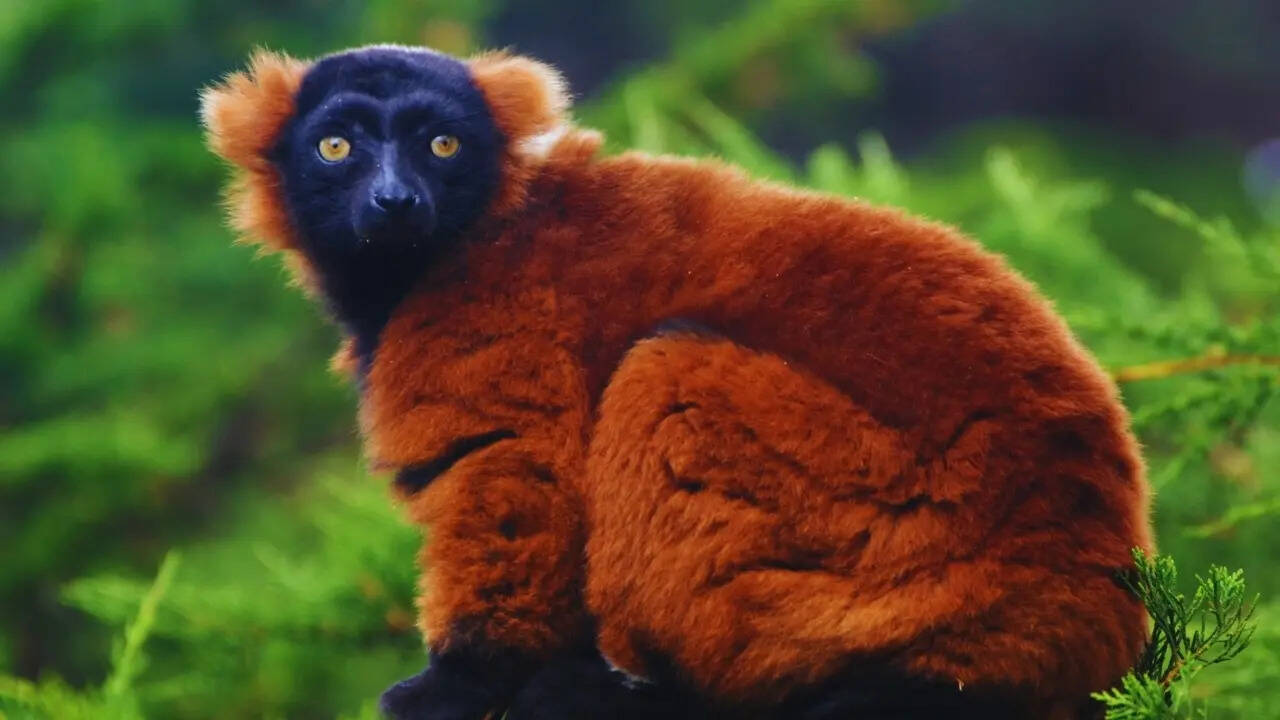
Red ruffed lemur in Madagascar
Madagascar is famous above all for its exceptional diversity of lemur species, exceeding 100. Being completely isolated, lemur species have developed numerous peculiarities both in terms of size and behavioural patterns.
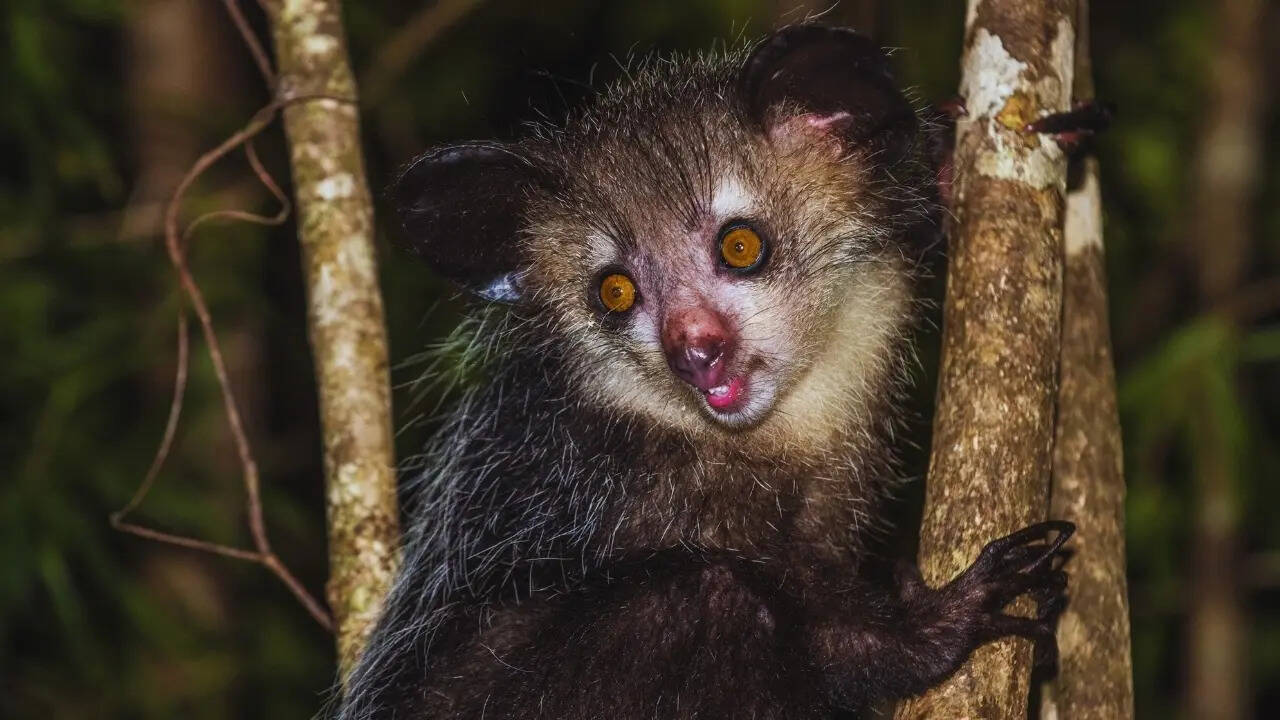
Aye-aye in Madagascar
Some are nocturnal with huge glowing eyes, while some are very sociable and active at daytime. Among the strangest ones is aye-aye, featuring a long bony finger for tapping tree bark and extracting bugs.And then there is the fossa, Madagascar’s top predator. Although resembling a cat in many ways, it is more related to mongooses than any other mammal. Highly agile, the fossa takes up the mantle of being a large predator on a tropical island devoid of lions and leopards.
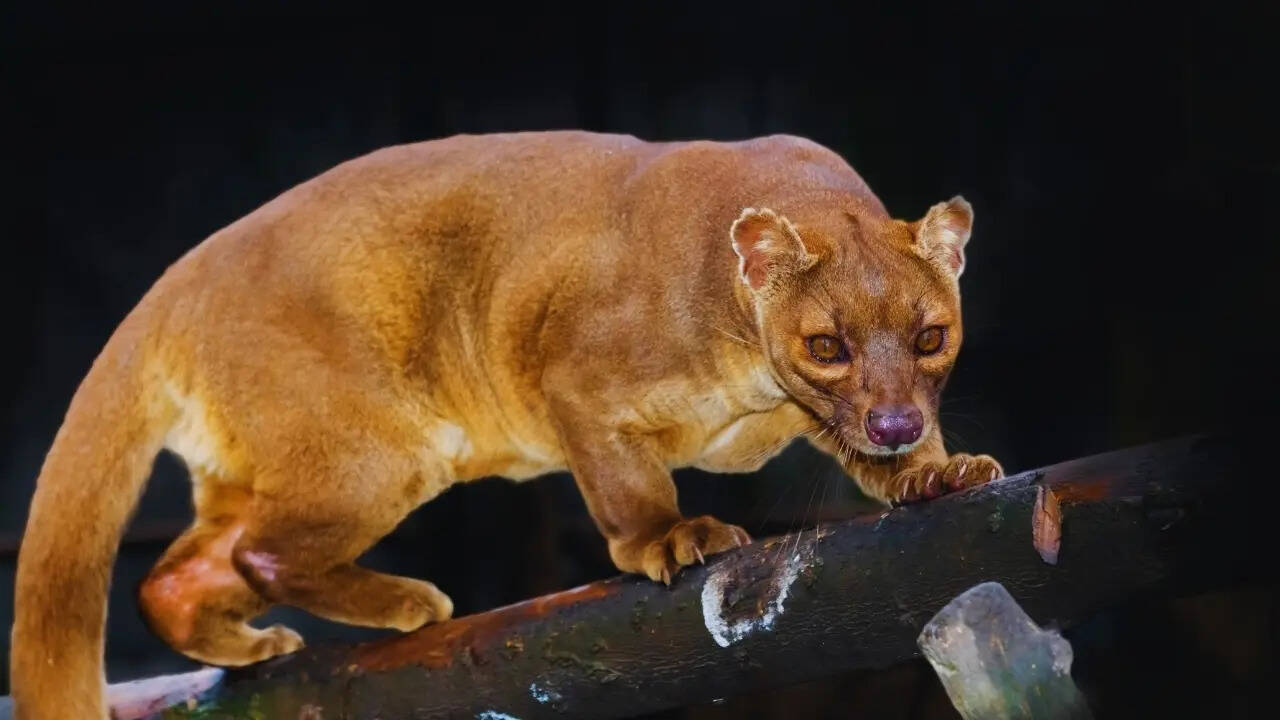
Fossa in Madagascar
Reptiles provide yet another interesting dimension in this regard, considering the presence of more than 40 percent of the world’s chameleons, along with several of the world’s tiniest reptiles. Not only can these animals change their colour for disguise, but also for communication purposes.Madagascar is also home to several birds species found nowhere else in the world, with their populations thriving within its forests, swamps, and grasslands. Unique insects and amphibians also make their home within Madagascar’s boundaries.
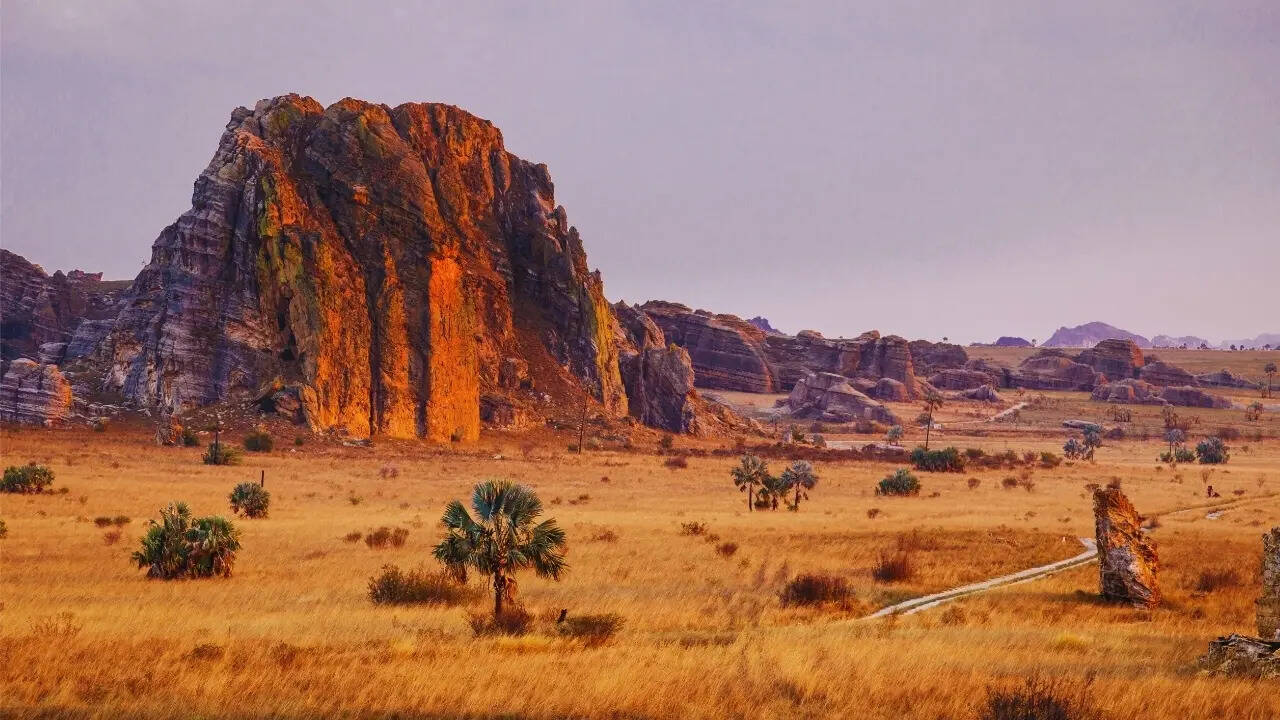
Madagascar landscape
Landscapes shaped by evolution
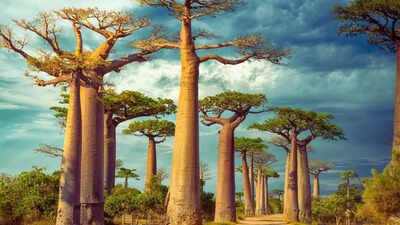
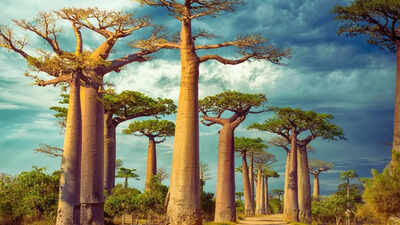
The wildlife of Madagascar is directly connected with the diversity of its landscapes.In the east, there is an abundance of tropical rainforests with dense vegetation and humidity levels that help create some of the most biologically diverse environments. In these regions, rare lemur species, colorful frogs, and various plants exist.Further inland towards the west, the ecosystem changes from tropical rainforests to dry deciduous forests and grasslands. In these regions, the most famous part of Madagascar is the baobab tree. Interestingly, out of the eight species of baobab trees in the world, six are endemic to Madagascar. Did you know that some species can hold thousands of liters of water inside their trunk? Well, now you know.Lastly, the southern region is famous for its strange spiny forests, which consist of unique plants that grow within an arid ecosystem.
Why Madagascar feels like the “oldest island”
The term “the world’s oldest island” has survived because of the feeling created by Madagascar. While many landmasses may have a similar geological history, few can claim the same biological uniqueness.For tens of millions of years, Madagascar has essentially been an evolutionary island unto itself. Without any native apes, monkeys, or large cats, the evolution of the ecosystem has followed a totally unique course, with evolutionary paths long ago disappearing from the rest of the world.This is why the island is often said to feel like an oasis in which time has stopped, offering a look back into our prehistoric past.
A delicate ecosystem at risk
While one of the most biodiverse places in the world, Madagascar is also one of the most fragile ecosystems. Already, 40 percent of its forest areas have been lost, largely as a result of deforestation and human action.Many of its unique animals are considered critically endangered, such as the lemurs, with the dangers to their habitat only becoming more real each year.For visitors to the island, it gives even more meaning to the experience of seeing its unique wildlife up close. It isn’t simply about enjoying the beauty of nature; it is about the critical work of conservation.